
Introduction
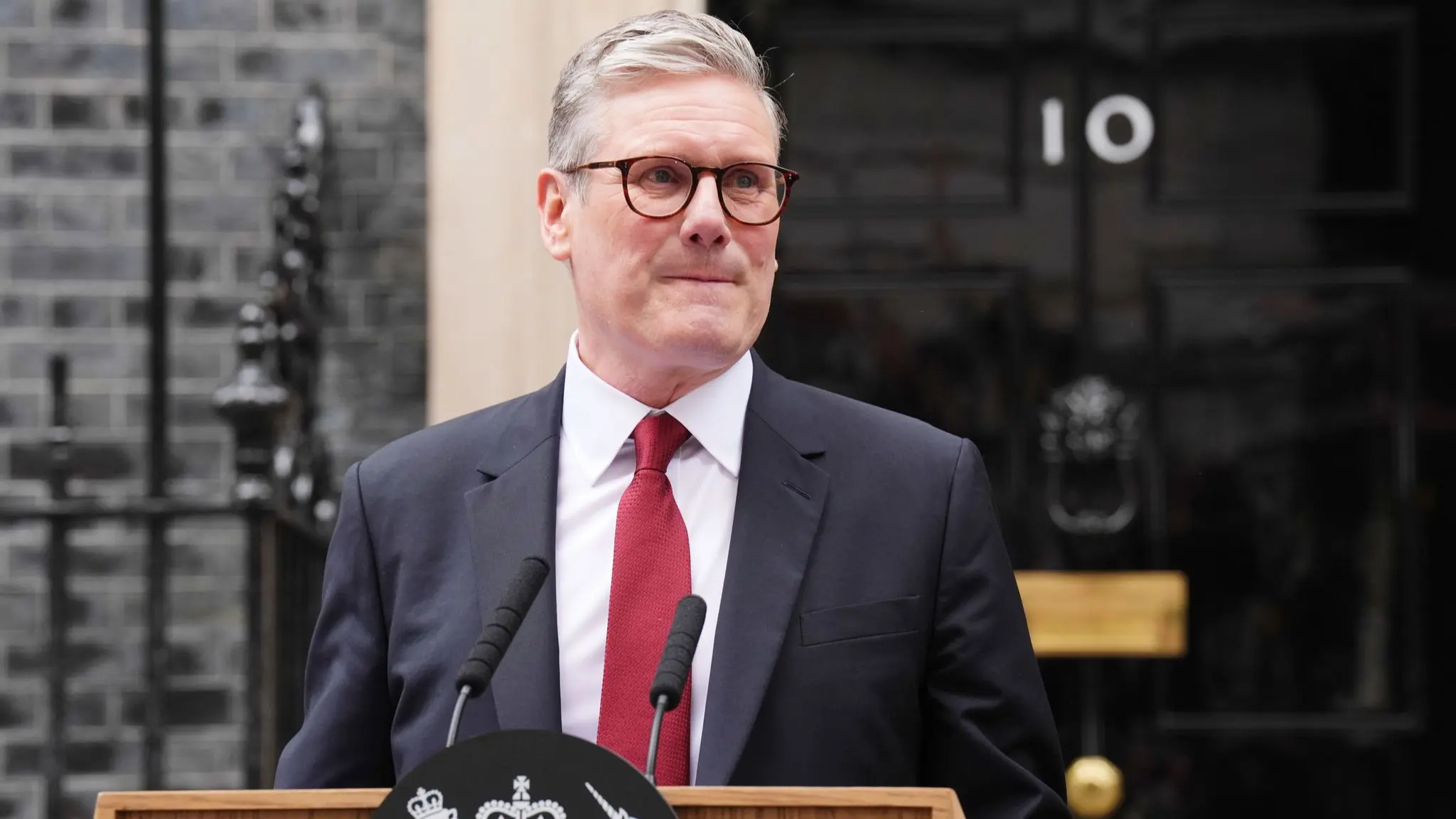
Keir Starmer, the leader of the UK Labour Party, has emerged as a pivotal figure in recent British politics. Taking leadership in April 2020, Starmer has navigated a tumultuous political landscape, marked by the aftermath of Brexit and the ongoing challenges of the COVID-19 pandemic. His leadership is significant not only for Labour, which aims to regain the confidence of the electorate, but also for the overall political climate in the United Kingdom, as general elections loom on the horizon.
Starmer’s Leadership Style and Policies
Starmer, a former Director of Public Prosecutions, is known for his methodical and legalistic approach to leadership. He has emphasised the importance of creating a united party while addressing the challenges posed by his predecessor, Jeremy Corbyn’s tenure, which made divisions within the party a notable obstacle. Under Starmer’s leadership, Labour has focused on key policy areas such as the economy, healthcare, and climate change. Recently, Starmer has articulated a vision of a stronger economy that does not compromise on social justice. This has resonated with many voters, as evidenced by Labour’s improved polling numbers.
Recent Developments and Events
In recent months, Starmer’s stance on several issues has been scrutinised. For instance, his decision to back the UK government’s position on the Northern Ireland Protocol has drawn both support and criticism. Many see this as a pragmatic move to bolster Labour’s appeal across the political spectrum, while others argue it compromises Labour’s traditional values.
Furthermore, Starmer has seized the opportunity to advocate for reforms to improve the UK’s economy, proposing measures that address rising costs of living and bolstering public services. His party’s recent performance in local elections has been promising, suggesting a potential recovery of Labour’s standing in various regions.
Conclusion and Future Outlook
As Keir Starmer continues to lead the Labour Party, his ability to navigate internal and external challenges will be vital for the party’s success in upcoming elections. Analysts suggest that should he maintain the current momentum, he could be positioned as a strong contender against the Conservative Party, which has faced criticism on multiple fronts.
With both general and local elections approaching, the Labour Party’s direction under Starmer will significantly influence the UK’s political landscape. Whether Starmer can unite the party and resonate with the electorate in a meaningful way remains to be seen, but his commitment to progressive policies and party unity indicates a renewed determination to restore Labour’s electoral strength.
 Yaw Appiah
 Kwame Ofori
 Ama Serwah
 Evelyn Mensah