
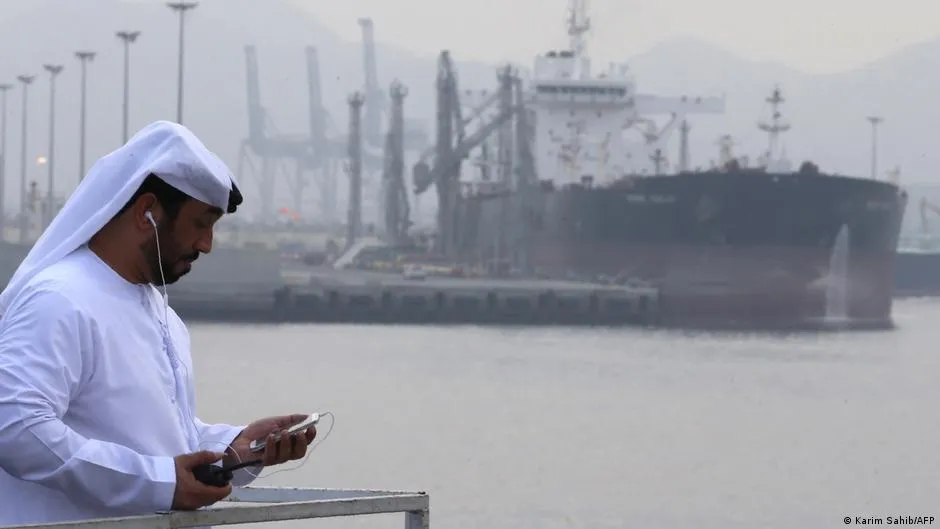
The United Arab Emirates is set to leave OPEC on May 1, 2026, aiming to produce oil on its own terms. This decision could lead to increased volatility in the global oil market and possibly ignite a price war with Saudi Arabia.
Currently, the UAE produces between 3.2 and 3.6 million barrels per day under existing quotas. However, it holds spare capacity of nearly 4.8 million barrels per day—capability that now will not be managed by OPEC.
Suhail Al Mazrouei, the UAE’s Minister of Energy and Infrastructure, stated, “The world needs more energy. The world needs more resources, and [the] UAE wanted to be unconstrained by any groups.” This sentiment reflects growing frustrations among members regarding OPEC’s stringent quota system.
The upcoming exit removes one of the few members with significant spare capacity. Jorge Leon, an industry analyst, noted, “Losing a member with 4.8 million barrels per day of capacity… takes a real tool out of the group’s hands.” Such a shift might put pressure on Saudi Arabia, which has traditionally managed prices by cutting its own output.
The UAE’s departure comes amid an ongoing global energy crisis exacerbated by conflicts, including the Iran war and resultant disruptions in the Strait of Hormuz. This strategic waterway has faced challenges that have affected oil shipments globally.
Despite these potential disruptions from the UAE’s exit, analysts believe immediate swings in global oil prices may not occur due to these ongoing issues. However, observers are cautious about what this means for OPEC’s future stability.
Michael Tamvakis, an expert on Middle Eastern energy markets, remarked that this decision “flies in the face of the kingdom’s authority,” suggesting that Saudi Arabia might respond strongly to reassert its dominance within OPEC.
Looking ahead, uncertainties linger about how many other producers might follow suit and what long-term impacts this will have on global prices. Jeff Colgan warned that “it is possible that we could see the whole organization fall apart.” As it stands, after the UAE’s exit, only 11 members will remain in OPEC.
 Kwame Ofori
 Yaw Appiah
 Ama Serwah