
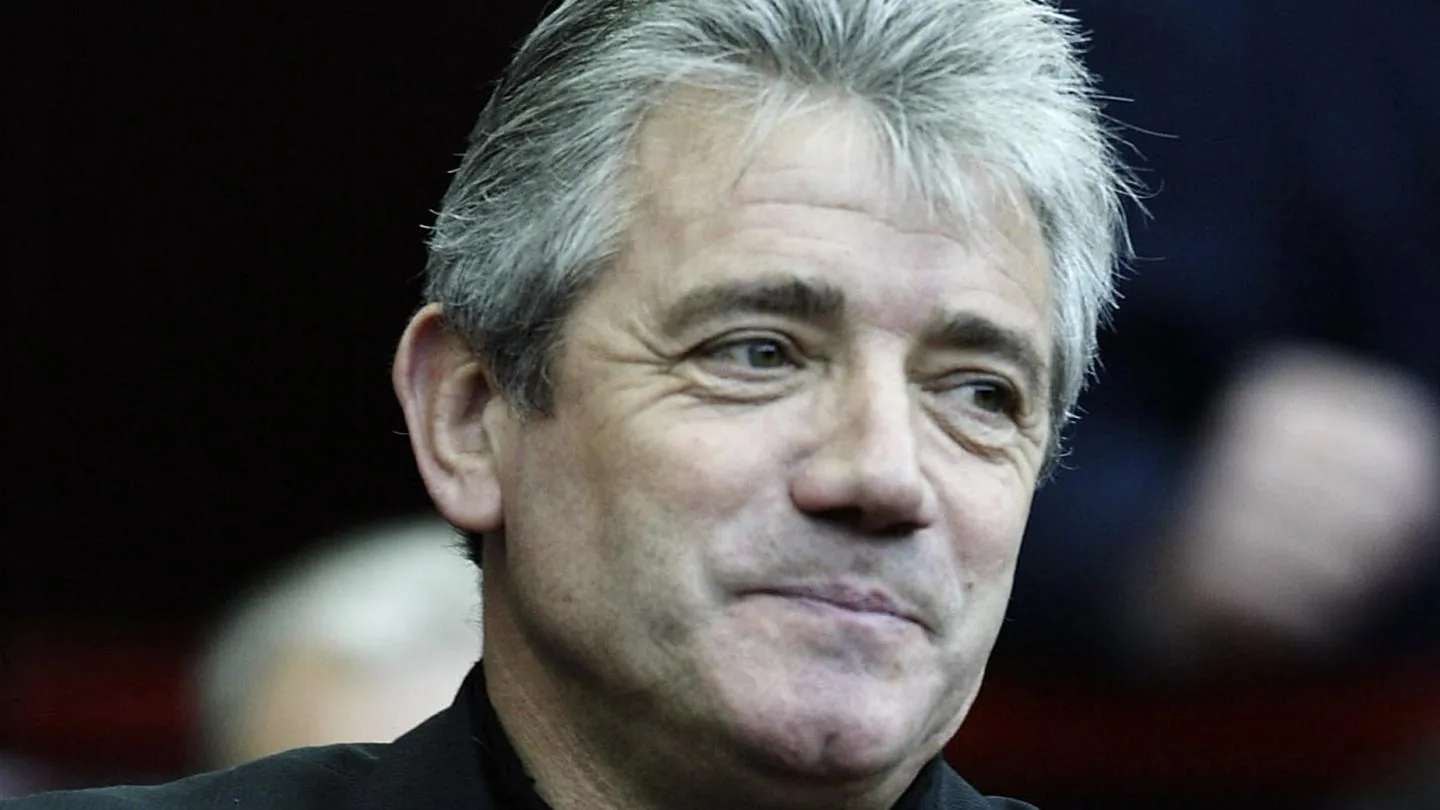
Kevin Keegan, a prominent figure in English football, has passed away at the age of 75 following a battle with cancer. His death was announced on Monday, prompting an outpouring of tributes from across the football world.
Keegan’s career spanned both playing and management, leaving a significant mark on several clubs and the national team. He was celebrated for his energetic style as a player and his ability to inspire teams as a manager.
A Distinguished Playing Career
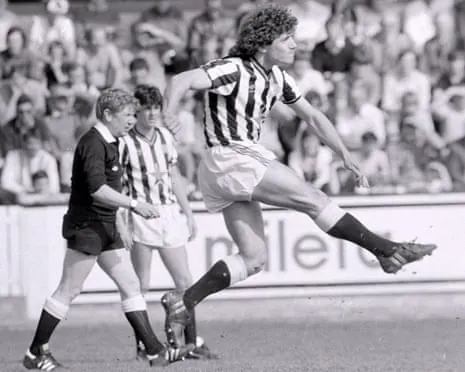
Born in Armthorpe, near Doncaster, Keegan’s journey in football began at Scunthorpe United in 1968. Despite being initially turned down by Doncaster Rovers, he honed his skills and joined Scunthorpe at 16. He made his first-team debut in the same year and played 124 league games for the club, scoring 18 goals.
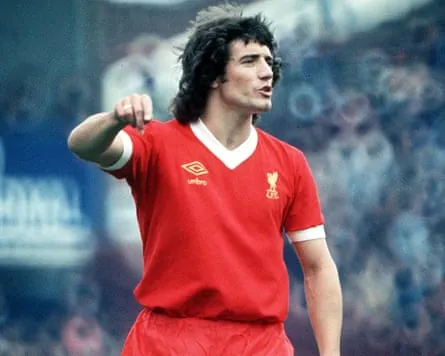
His talent caught the attention of Liverpool scouts, leading to his move to Anfield for a fee of £33,000. At Liverpool, Keegan quickly became a superstar, making his debut in September 1971 and scoring the opening goal in a 3-1 home victory against Nottingham Forest. He went on to score 68 goals in 230 league appearances for the Reds.
During his six years at Liverpool, Keegan played a pivotal role in the team’s success, contributing to three league titles and an FA Cup. He was part of the side that secured Liverpool’s first European trophy, the UEFA Cup, in 1973. His final appearance for Liverpool was a memorable one, as the team defeated Borussia Monchengladbach 3-1 in Rome in 1977 to lift their maiden European Cup. He made a total of 323 appearances for the club.
After leaving Liverpool, Keegan moved to Hamburger SV, where he continued to achieve success, earning the Ballon d’Or award twice. He later played for Southampton and Newcastle United, where he made his final professional appearance on 17 May 1984. The friendly match against Liverpool at St James’ Park concluded with a helicopter carrying him away from the pitch, a moment witnessed by 36,000 fans.
Managerial Endeavours and Notable Moments
Keegan’s managerial career included stints with Newcastle United, Fulham, England, and Manchester City. As a manager, he was credited with taking Newcastle into Europe for the first time in 20 years and securing promotions for both Fulham and Manchester City, which revitalized the clubs.
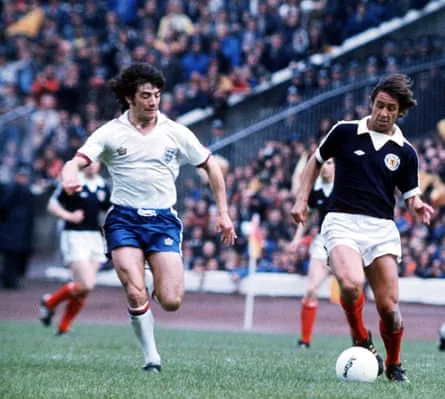
His tenure as England manager lasted less than two years and included the team’s failure to advance past the group stage at the Euro 2000 finals. His resignation from the England post occurred in the dressing room toilets under Wembley stadium following a 1-0 defeat by Germany, where he admitted to having “come up short.”
One of Keegan’s most famous moments as a manager came during the 1995-96 Premier League title race. In a live television interview, he expressed his strong desire for Newcastle to defeat Manchester United, stating, “I would love it if we beat them! Love it!” This outburst occurred as Newcastle’s 12-point lead over Manchester United was eroding, with United ultimately clinching the title.
Tributes and Legacy
Sir Kenny Dalglish, who took over from Keegan at Liverpool, shared his condolences, describing Keegan as “one of the very best players of his generation and a genuine gentleman.” Dalglish highlighted Keegan’s exceptional achievements on the pitch and his qualities as a manager, noting that he brought “belief, excitement and pride” back to Newcastle United.
Keegan’s family life was warm and secure, despite financial scarcity during his upbringing. He met his wife, Jean Woodhouse, in 1970, and they married in 1974. He was the second of three children born to Doris and Joe Keegan, a miner at Markham Main colliery. His paternal grandfather, Frank Keegan, had moved from Ireland to Tyneside and was involved in rescue efforts during the 1909 West Stanley pit explosion.
Keegan’s passion for football was evident from a young age, with a nun at his primary school, Sister Mary Oliver, noting on his report that his football “must be encouraged.” He left school at 15 with O-levels in art and history, working as a tea boy at a brass foundry while continuing to play for local amateur teams. His dedication to hard work and application transformed him into a great player, despite his realistic assessment of his own skills.
Football has lost one of its true greats with the passing of Kevin Keegan, who will be remembered for his contributions as both a player and a manager.
Source: theguardian.com
 Ama Serwah
 Yaw Appiah
 Kwame Ofori
 Evelyn Mensah