
Introduction
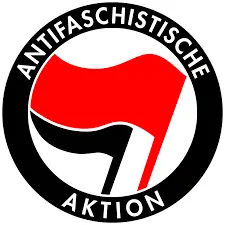
Antifa, short for anti-fascist, has gained significant attention in recent years, particularly during protests across numerous countries, including the United States and the UK. This loosely affiliated group is known for its opposition to far-right ideologies and has raised important discussions about freedom of speech, civil rights, and public safety. Understanding Antifa’s role in contemporary society is crucial for anyone interested in current social movements and political dynamics.
The Emergence and Ideology of Antifa
Antifa’s roots can be traced back to radical leftist movements in Europe in the early 20th century, but the modern incarnation has been most visible since the protests that followed the election of Donald Trump in the U.S. in 2016. The movement is characterized by its direct action tactics, often involving counter-protests against far-right groups, and a belief in standing up against racial and social injustice.
Recent Events Involving Antifa
In recent months, Antifa has been connected to various protests focusing on issues such as police brutality, systemic racism, and nationalist movements. For instance, Antifa members were heavily involved in the Black Lives Matter protests in 2020, which highlighted police violence and racial inequality. However, these affiliations have been contentious, with critics accusing the group of promoting violence. Supporters, on the other hand, argue that they are defending marginalized communities against aggression.
Media Representation and Public Perception
The media portrayal of Antifa has contributed significantly to the public perception of the group. Many news outlets often depict Antifa as a violent anarchist organisation, while supporters assert that such narratives aim to delegitimise their cause. Polls have shown that opinions on Antifa are polarised; some view the group as a necessary defender against fascism, while others see it as a threat to civil order.
Conclusion and Future Implications
As the phenomenon of Antifa continues to evolve, so too will the discussions surrounding its implications for democracy, civil rights, and public safety. The significance of Antifa in modern protests cannot be understated, as it challenges our understanding of free speech and activism. Looking forward, it will be crucial for societies to engage in open dialogues about the complexities of such movements, balancing the need for security and the fundamental right to protest. The coming months will likely bring further developments, making it an essential topic to monitor for those interested in contemporary political issues.
 Yaw Appiah
 Evelyn Mensah
 Kwame Ofori