
Introduction
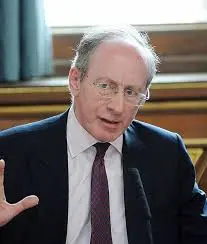
Malcolm Rifkind, a notable figure in British politics, has made significant contributions during his lengthy career as a Member of Parliament (MP) and as a minister in various cabinets. His role as Foreign Secretary during the 1990s and his participation in pivotal political moments makes him a subject of ongoing interest, especially as the political landscape continues to evolve.
Political Journey
Malcolm Rifkind was born on June 21, 1942, in Edinburgh, Scotland. He was educated at the University of Edinburgh, where he studied Law before embarking on a career in politics. He first entered Parliament in 1974 as the Conservative MP for Edinburgh Pentlands. Over the next decade, Rifkind held various positions, ranging from Minister of State for Defence to Secretary of State for Scotland, showcasing his versatility and commitment to public service.
His most prominent role came in 1995 when he was appointed Foreign Secretary during John Major’s government. Rifkind’s tenure saw him navigate complex international relations, including issues related to the Balkans and Northern Ireland. Under his leadership, the UK played a critical role in peace negotiations, further cementing his reputation as a skilled diplomat.
Recent Developments
In recent years, Malcolm Rifkind has transitioned from active politics to public speaking and writing. Following his retirement from Parliament in 2015, he has been involved in various initiatives, including serving as a member of the House of Lords. His insights into geopolitical issues are highly sought after, making him a respected figure within both political and academic circles.
Furthermore, Rifkind has been vocal about contemporaneous political issues, particularly regarding the challenges facing the UK in a post-Brexit era. He frequently engages in discussions about foreign policy, security, and the importance of continued transatlantic relations.
Conclusion
Malcolm Rifkind’s legacy extends beyond his formal roles; he represents a generation of politicians who navigated critical moments in history. His experience and perspective provide valuable lessons for current and future leaders in navigating complex political landscapes. As the UK continues to grapple with its identity and role on the world stage, insights from former leaders like Rifkind will remain relevant. Looking forward, his opinions on international diplomacy and domestic policy will likely influence discourse in upcoming political debates and discussions.
 Yaw Appiah
 Kwame Ofori
 Ama Serwah
 Evelyn Mensah