
Introduction
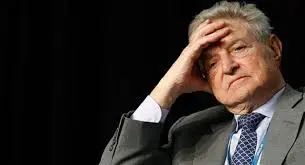
George Soros, the billionaire investor and philanthropist, has been a pivotal figure in global finance and social change for decades. Born in Hungary in 1930 and later emigrating to the United States, Soros’s journey from a survivor of Nazi occupation to one of the world’s most influential financial figures highlights the intersections of wealth, power, and philanthropy. His strategic financial maneuvers and charitable ventures have shaped modern societal discussions around democracy, human rights, and global capitalism.
Main Body
In recent months, George Soros has made headlines through his assertive investments and significant philanthropic contributions. His investment management firm, Soros Fund Management, recently reported substantial gains in a volatile stock market, showcasing his acumen in predicting market trends. The firm is well-known for its aggressive investment strategies, which have consistently yielded impressive returns.
On the philanthropic front, Soros continues to advocate for progressive causes through his Open Society Foundations (OSF). Recent initiatives include funding efforts to support refugees, combat climate change, and promote electoral reform in the United States. As part of his mission to build a more open society, he has pledged billions to address issues such as racial equality and public health, with a focus on dismantling systemic injustices.
Moreover, Soros has been increasingly vocal about the rise of authoritarianism and the dangers posed by disinformation in contemporary politics. His warnings regarding the erosion of democratic institutions resonate in light of recent global events, including the escalating political tensions in the US and abroad. Commentators suggest that his insights could be instrumental in forming responses to these challenges, as he remains a prominent critic of governments that restrict civil liberties.
Conclusion
George Soros’s influence is undeniable, as his financial strategies and philanthropic efforts continue to shape economic and social landscapes globally. Looking ahead, as democratic values face turbulent conditions, Soros’s insights and financial clout will likely further impact discussions surrounding governance and justice. For readers, understanding Soros’s legacy is crucial, as it reflects broader trends affecting not only financial markets but societal structures as well. As he approaches his 94th birthday, his commitment to activism and investment remains steadfast, prompting discussions about the responsibilities that come with vast resources and the potential for positive change.
 Yaw Appiah
 Evelyn Mensah
 Kwame Ofori