Introduction
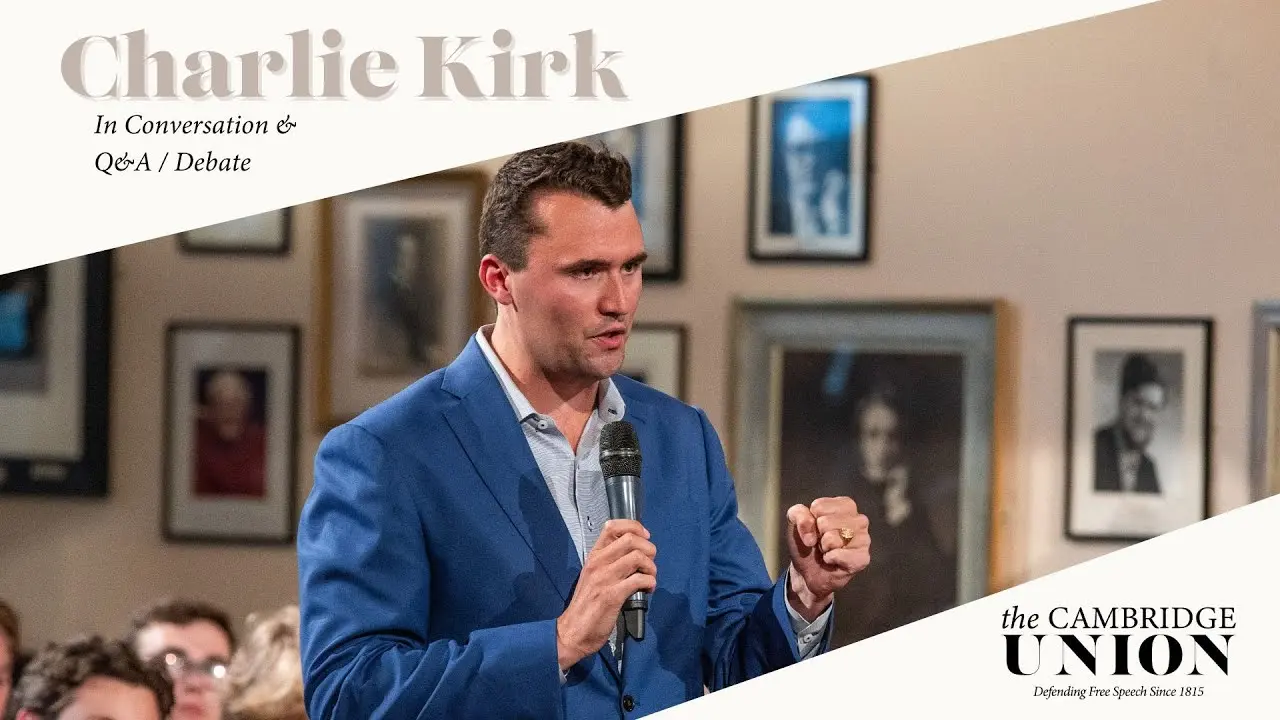
Charlie Kirk, the founder of Turning Point USA and a prominent conservative commentator, made headlines recently during his visit to Cambridge University. This visit is particularly noteworthy as it has ignited discussions on free speech, academic discourse, and the ongoing ideological divide on university campuses. With the escalating tensions surrounding political discourse in higher education, Kirk’s appearance has drawn significant attention from both supporters and critics, making this a pivotal moment in the intersection of politics and academia.
The Visit
Kirk’s scheduled talk at Cambridge on October 10, 2023, aimed to promote conservative values and engage with students concerning the role of free speech in academia. Arriving amidst protests and campus debates, Kirk was met with a mixed reception. Supporters of Kirk viewed it as a necessary opportunity to challenge liberal narratives prevalent in educational institutions, while detractors argued that his views posed a threat to inclusivity and open dialogue.
During his talk, Kirk discussed themes such as limited government, personal responsibility, and faith. The event, which was hosted by the Cambridge Union Society, included a question-and-answer segment where participants could engage directly with Kirk. In the wake of the event, social media became a battleground for responses, with hashtags related to Kirk’s visit trending across platforms as students expressed their views.
Reactions and Implications
The reactions to Kirk’s visit have demonstrated the deep ideological divides on university campuses. Supporters hailed the event as a triumph for free speech, encouraging diverse viewpoints in academic settings. Conversely, opposition groups viewed the event as emblematic of the challenges posed by polarising figures in university discourse. Cambridge students held counter-protests, advocating for a more inclusive and supportive environment for all viewpoints.
Importantly, this incident is reflective of broader trends in higher education across the UK and globally. As debates around free speech and ideological diversity escalate, universities find themselves at a crossroads. The ability of educational institutions to foster environments that promote robust discussion, while ensuring the safety and inclusivity of all students, remains under scrutiny.
Conclusion
Charlie Kirk’s visit to Cambridge illuminates the evolving landscape of political discourse in higher education. As universities continue to grapple with balancing free speech and inclusivity, events like Kirk’s challenge both students and faculty to reflect on their values and what it means to engage in open dialogue. The significance of this visit extends beyond the immediate campus protests and speaks to a future where the role of conservative thought in academia will likely remain a contentious topic. For students and policymakers alike, understanding the implications of such visits could shape the discourse for generations to come.
 Yaw Appiah
 Ama Serwah
 Evelyn Mensah
 Kwame Ofori