
Introduction
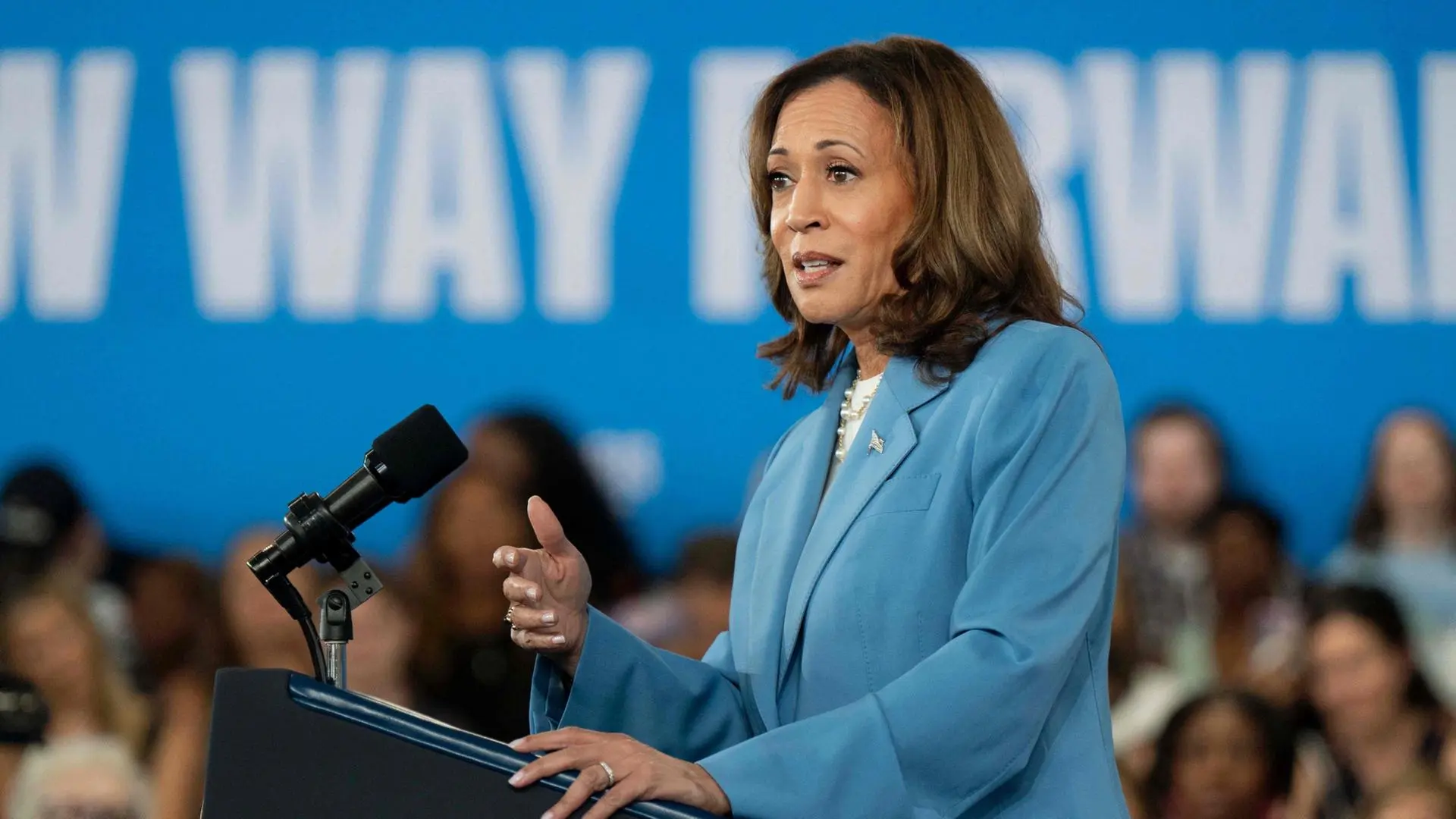
Kamala Harris has made history as the first female Vice President of the United States, breaking multiple barriers as a woman of African American and South Asian descent. Her rise to the second highest office in the country represents a significant moment not just for the United States, but also for women and minorities everywhere. Harris’s role in shaping contemporary governance and liaisons within political and social structures highlights the importance of representation in leadership.
Background and Political Career
Born on October 20, 1964, in Oakland, California, Harris graduated from Howard University and later earned her law degree from the University of California, Hastings. She began her career in the Alameda County District Attorney’s Office and quickly moved up the political ladder, serving as San Francisco’s District Attorney and then as California’s Attorney General. In 2017, she became the first Indian American and African American woman elected to the U.S. Senate. Known for her progressive stances on issues such as healthcare, immigration, and criminal justice reform, Harris quickly gained national recognition.
Vice Presidency and Recent Initiatives
In November 2020, Harris was elected Vice President alongside President Joe Biden, marking a transformative change in U.S. politics. Since taking office in January 2021, she has focused on several initiatives, including addressing climate change, advocating for women’s rights, and promoting equity in COVID-19 recovery efforts. Harris has also been a vocal advocate for voting rights, alarmed by ongoing legislative efforts that threaten to suppress voter turnout, particularly among marginalized communities. Her work is widely regarded as pivotal in enhancing national conversations around equity and justice.
Impact and Future Outlook
Kamala Harris’s administration as Vice President has already had significant implications, encouraging more women and people of colour to aspire to political office. Her leadership style—characterised by sincerity, resilience, and an ability to connect with the public—sets a precedent for future candidates. Political analysts suggest that Harris remains a strong contender for 2024, potentially positioning her as a key figure in the future of the Democratic party.
Conclusion
Kamala Harris has undoubtedly reshaped what leadership looks like in America. Her accomplishments as the first female Vice President not only symbolize progress for women but also represent a broader shift in the inclusivity of U.S. politics. As she continues her work in office, her influence on policy, representation, and political aspirations will be closely watched, making her a vital figure in shaping the future political landscape.
 Yaw Appiah
 Evelyn Mensah
 Kwame Ofori