
Introduction: The Importance of Gerrymandering
Gerrymandering has emerged as a significant topic in political discourse, especially with ongoing debates about electoral fairness and representation. This practice, which involves the manipulation of electoral district boundaries to favour a particular political party, raises crucial questions about the integrity of democratic processes. As the political landscape in the UK and various parts of the world continues to evolve, understanding gerrymandering and its implications for voters is essential.
What is Gerrymandering?
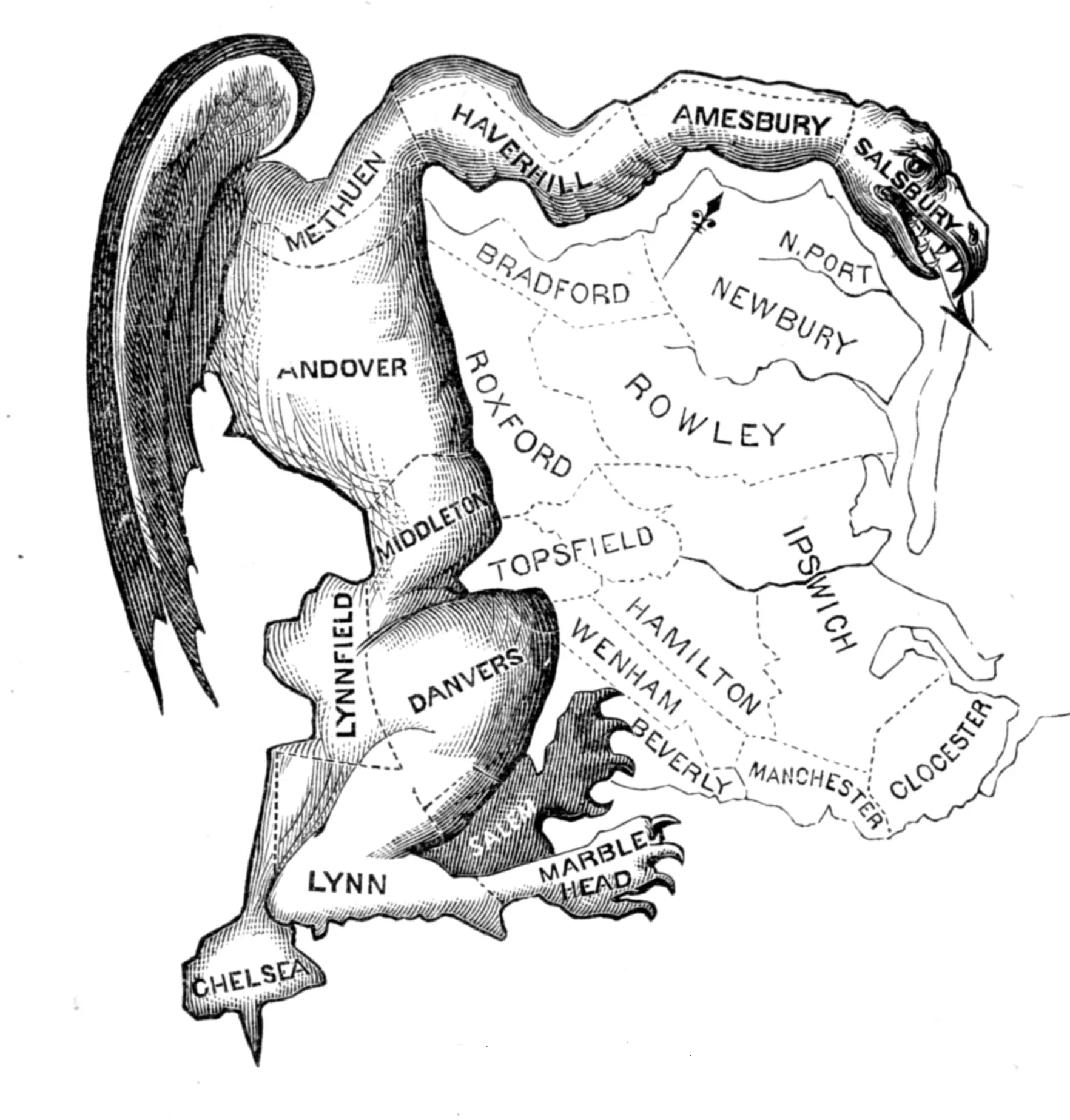
Gerrymandering derives its name from Elbridge Gerry, a Massachusetts governor who, in 1812, approved a district map resembling a salamander to benefit his party. The essence of gerrymandering lies in its objective: to enhance the electoral advantages of one group while diluting the influence of opposing groups. This is typically achieved through two methods:
- Packing: Concentrating as many voters of one party into a single district to reduce their influence in surrounding districts.
- Cracking: Splitting a group of voters across multiple districts, ensuring they do not constitute a majority anywhere.
Current Events and Implications
Recent developments have reignited discussions surrounding gerrymandering, particularly in the US, where the issue has prompted several court cases challenging district maps in various states. For example, the Supreme Court ruled in 2022 that voters could not challenge partisan gerrymandering in federal courts, leading to concerns about the long-term implications on democracy and voter representation.
In the UK, while the political system has its own set of challenges, including boundary reviews conducted by the Boundary Commission, concerns about fairness and representation continue to persist. Recent elections have highlighted disparities where district boundaries may not accurately reflect the public’s voting preferences. The debate is particularly crucial as the country prepares for future elections and considers the potential for reform.
Conclusion: The Significance of Understanding Gerrymandering
The implications of gerrymandering extend beyond party politics; they challenge the foundational principles of democracy itself, including equality and fair representation. As citizens become increasingly aware of these tactics, it is vital for them to advocate for transparent electoral processes. The prospects of electoral reform may hinge on public support and awareness, making it essential for voters to engage with this issue actively. In the coming years, gerrymandering will undoubtedly remain a hot topic, offering myriad opportunities for advocacy and potential change within political systems.
 Yaw Appiah
 Kwame Ofori
 Ama Serwah
 Evelyn Mensah