
Introduction
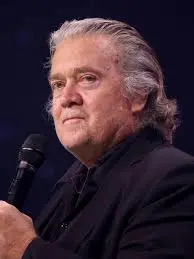
Steve Bannon, a prominent figure in American conservative politics, continues to be a focal point of discussion and analysis in the wake of recent events. His influence as a former chief strategist for President Donald Trump and as a key player in the rise of the nationalist movement in the United States cannot be overlooked. Understanding Bannon’s strategies and viewpoints is essential for grasping the current political landscape.
Recent Developments
In recent months, Bannon has once again made headlines as he faces legal challenges while continuing to engage with the far-right factions within the Republican Party. Notably, he was found guilty of contempt of Congress for refusing to comply with subpoenas issued during the investigation into the January 6 Capitol riots. His defiance and conviction have fueled debates regarding accountability and the rule of law among political leaders.
Moreover, Bannon has been heavily involved in mobilising grassroots conservative movements, particularly through his podcast, “War Room.” This platform allows him to promote his political agenda and influence public opinion among his followers. Reports indicate that he is also strategizing the direction of the 2024 presidential campaigns, aiming to reshape the GOP in the image of the America First agenda.
Impact on the Republican Party
Bannon’s ideology has stirred significant division within the Republican Party, as traditional conservatives often clash with the populist, nationalist approach he advocates. His endorsement of certain candidates who align with his beliefs has led to primary challenges and reshaped the party’s dynamics in various states.
Furthermore, Bannon’s connections not only extend to US politics; his influence can be seen internationally, where his tactics have inspired far-right movements in Europe and beyond. This global reach raises questions about the extent of his impact on international conservative movements.
Conclusion
As Steve Bannon continues to navigate the complex terrain of American politics, his influence remains a double-edged sword; he serves as both a catalyst for the populist movement and a polarising figure within the broader political landscape. Observers are keen to see how his strategies will evolve in the run-up to the 2024 elections and whether his approach will further reshape the Republican Party. For readers, understanding Bannon’s role and tactics is crucial in making sense of contemporary political narratives and the future of conservatism in the United States.
 Yaw Appiah
 Kwame Ofori
 Ama Serwah
 Evelyn Mensah