
Spain’s World Cup Triumph and Audience Reach
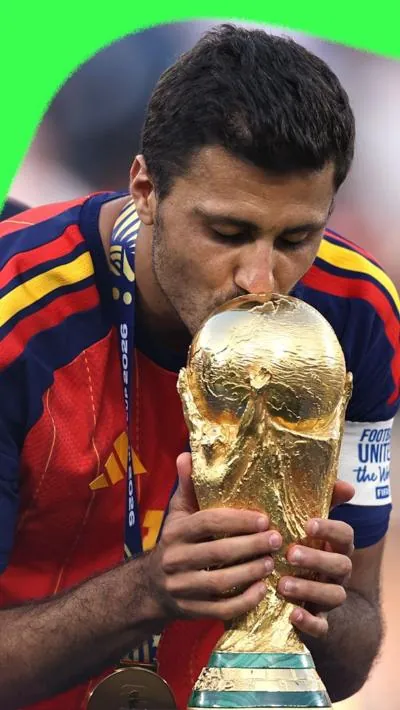
Spain secured their second World Cup title with a 1-0 victory over Argentina, a match that captivated a significant audience. The final, broadcast on BBC One and BBC iPlayer, reached a peak viewership of 15.8 million people. An average of 13.9 million viewers tuned in to watch Ferran Torres’ extra-time goal decide the outcome.
The broadcast garnered a 64% share of all television viewing during the match. Additionally, the final was streamed 11.1 million times on BBC iPlayer and the BBC Sport website and app, with 2.4 million of these being UHD streams on iPlayer. The BBC Sport live text coverage also saw substantial engagement, with over 18.8 million views, including 14.2 million in the UK, providing fans with real-time updates and analysis.
Across the entire World Cup tournament, the BBC reported an overall reach of 42.8 million viewers across television platforms. Streaming figures were also notable, with 237 million streams of World Cup matches on BBC iPlayer and the BBC Sport website and app, more than double the numbers from the 2022 World Cup. World Cup content accounted for 33% of all content streamed on BBC iPlayer during the competition.
The BBC Sport website and app attracted 57.2 million unique visitors, and content was viewed 1.7 billion times. Match highlights alone were streamed 67.3 million times. Social media engagement was also high, with clips, interviews, analysis, press conferences, and fan moments generating 2.55 billion video views. The most-watched video was an interview with Egypt winger Mostafa Zico after Egypt’s elimination by Argentina, which garnered 77 million views on TikTok.
Post-Match Reactions and Disciplinary Actions
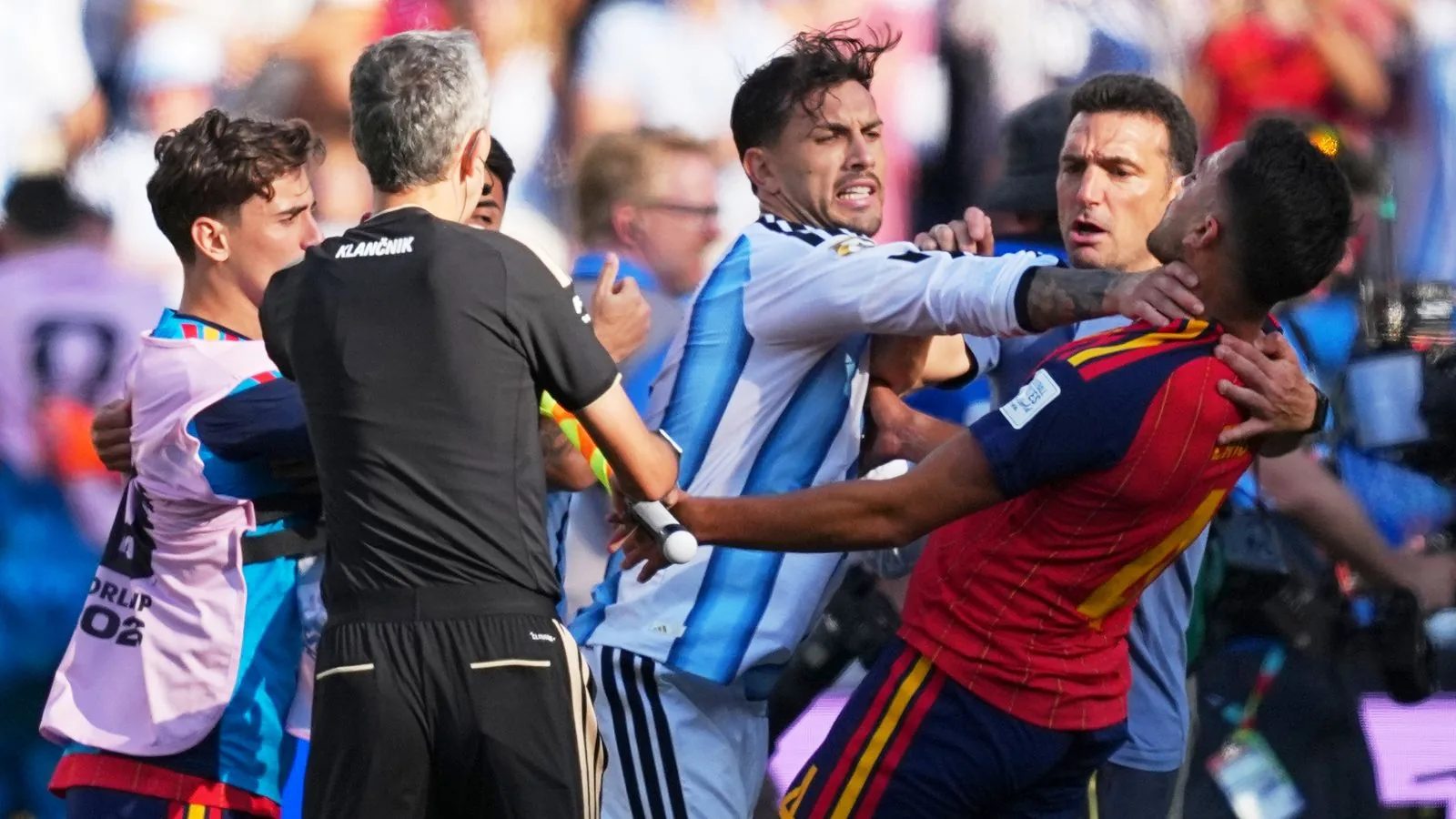
Following their victory, Spain’s triumphant team returned to Madrid for an extravagant trophy parade. The celebration was in stark contrast to Argentina’s return home, which was marred by controversy surrounding their conduct at the end of the final match in New Jersey.
Fifa is expected to investigate the post-match incidents to determine if additional disciplinary action is warranted. The final itself was described as a “dire spectacle” for the initial 90 minutes, with Spain finally breaking the deadlock in extra time. Lionel Messi, in what was likely his final World Cup appearance, was denied a victory, and the aftermath further soured the occasion for the 39-year-old.
The potential disciplinary actions against Argentina could extend beyond individual players like Leandro Paredes and Nahuel Molina to the Argentine football federation itself. Fifa’s code allows for disciplinary measures against an association if a national team conducts itself improperly, such as when individual disciplinary sanctions are imposed on five or more players during a match. Furthermore, Argentina’s actions could be deemed as bringing the sport into disrepute, potentially leading to further penalties.
Despite their dismal display, which saw Argentina fail to register a shot in normal time or an effort on target in the entire 120 minutes, national newspapers in Argentina defended their team. Headlines focused on national pride, with one paper stating, “They gave it their all, nothing to blame them for.” In contrast, Spain’s front pages celebrated their second World Cup triumph with headlines proclaiming, “The world is ours” and “The world surrenders to Spain.”
The Spanish team’s open-top bus parade was scheduled to begin at 7 pm local time in Madrid, following their return to Adolfo Suárez Madrid–Barajas Airport at approximately 2:30 pm on Monday.
Source: bbc.co.uk
 Ama Serwah
 Yaw Appiah
 Kwame Ofori
 Evelyn Mensah