
Introduction
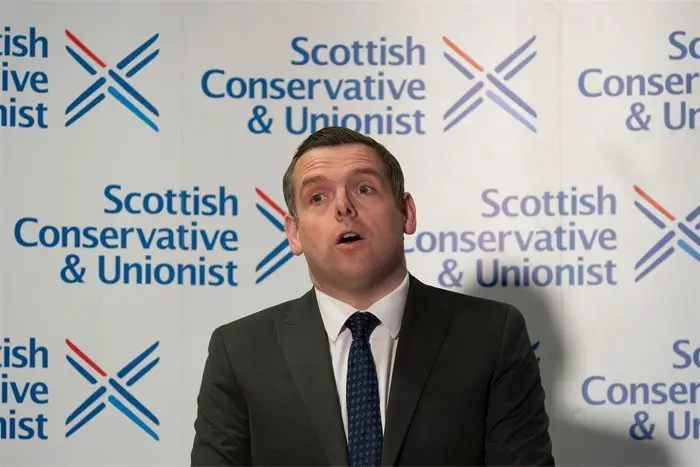
Douglas Ross has been a prominent figure in Scottish politics, serving as the leader of the Scottish Conservative Party and a Member of Parliament representing Moray. His role has become increasingly significant, especially in the context of the ongoing debates regarding Scottish independence and the political landscape of the UK. With recent developments in his party and shifting public opinions, understanding Ross’s political journey is essential for gauging the future direction of Scottish Conservatism.
Current Developments
As of October 2023, Douglas Ross’s leadership has faced various challenges. Following the 2022 local elections, where the Scottish Conservatives faced a sharp decline in support, Ross announced a major review of party policies, aiming to reconnect with disillusioned voters. He emphasised the need for a more localised approach, focusing on constituency issues such as healthcare, education, and economic recovery amid post-pandemic conditions. This shift is critical as the party strategises for the upcoming general elections in 2024.
Simultaneously, Ross has actively engaged in discussions regarding the future of the Union. His recent statements highlight renewed commitments to the UK as a whole, countering the growing calls for a second referendum on Scottish independence. His stance aims to galvanise support among Unionists while appealing to undecided voters by promoting the benefits of remaining part of the UK.
Impact and Future Prospects
As the Scottish Conservatives navigate through a tumultuous political climate, Douglas Ross’s position will continue to be pivotal. Analysts predict that his approach could determine the party’s recovery trajectory and impact voter sentiment moving forward. His leadership style, marked by a willingness to address challenges head-on, could serve as an influential factor as Ross seeks to reshape the party’s image and policies.
Furthermore, with the SNP remaining dominant in Scotland, Ross’s ability to appeal beyond traditional Conservative voters will be essential. Building a broad coalition and engaging with local communities could prove advantageous in increasing the party’s electoral appeal.
Conclusion
Douglas Ross stands at a crucial juncture in Scottish politics. His actions in the coming months will not only dictate the future of the Scottish Conservative Party but also contribute to the broader conversation around Scottish independence and the Union. As political dynamics continue to evolve, Ross’s leadership will be closely monitored, making his strategies and decisions paramount for both supporters and opponents alike.
 Yaw Appiah
 Evelyn Mensah
 Kwame Ofori