
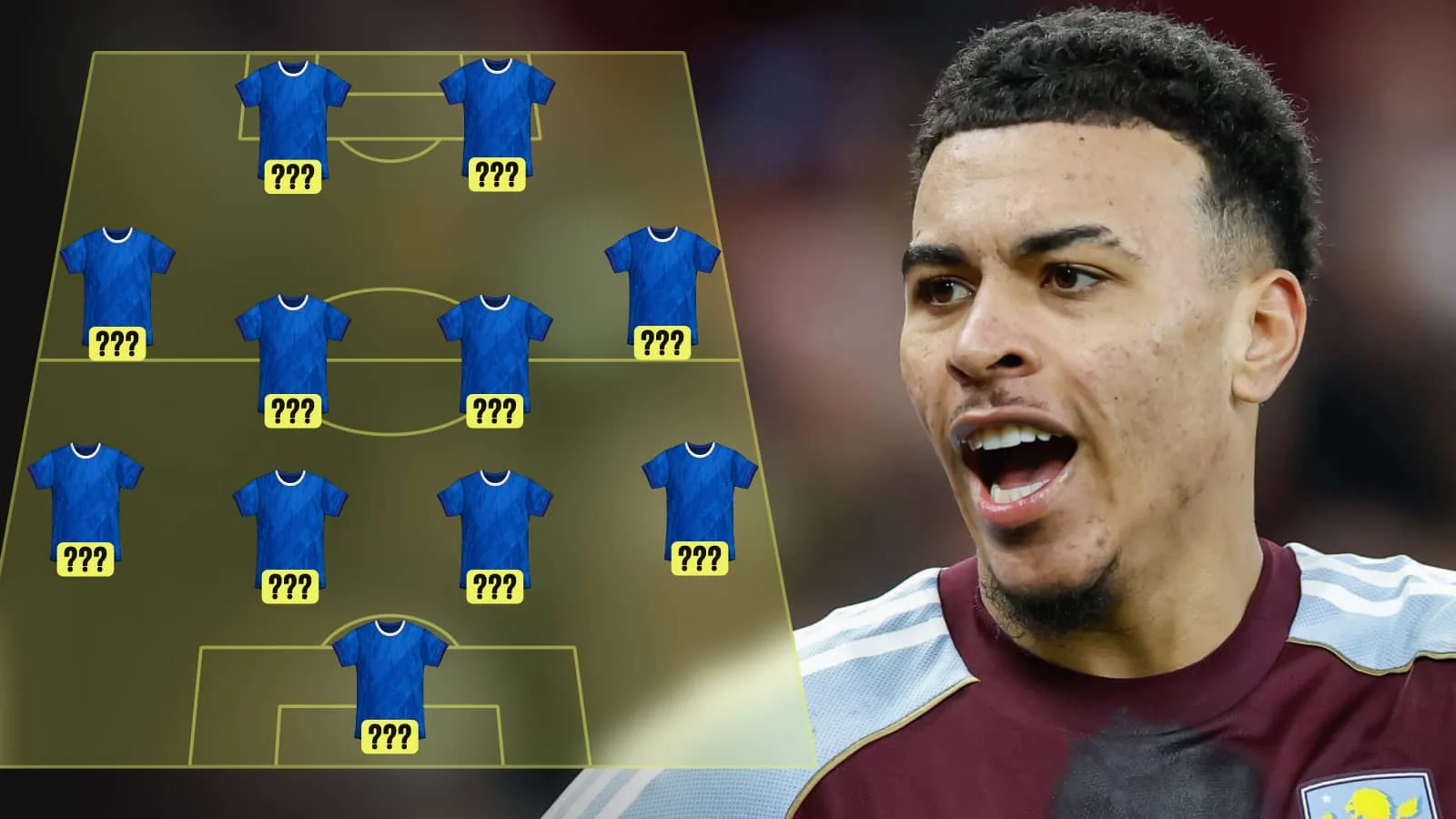
Chelsea has completed the transfer of Morgan Rogers from Aston Villa, marking his return to Stamford Bridge after more than two years of interest. The deal, valued at a record fee for a British player, was reportedly agreed upon within 48 hours, following intensive negotiations between the clubs and Rogers’ representatives.
Sources familiar with the transfer indicated that formal discussions began on Thursday, shortly after England‘s semi-final defeat. Chelsea manager Xabi Alonso reportedly contacted Rogers on Friday to outline his plans for the player, with personal terms settled on the same day. The rapid conclusion of negotiations on Saturday was seen as a positive by Rogers.
The pursuit of Rogers
Rogers, who recorded 14 goals and 11 assists for Aston Villa last season, was a primary target for several major clubs. Despite having five years remaining on his contract with Villa, Chelsea prioritized securing the attacker. Arsenal had previously been considered favorites to sign him, but Chelsea ultimately prevailed in the race for his signature.
Chelsea‘s summer strategy focused on acquiring a versatile attacker capable of immediately impacting the first team. Rogers’ ability to play across various attacking and midfield roles, including on the left, right, as a ‘No 10’, ‘false nine’, and deeper in midfield, was highly valued. His physical attributes and attitude were also noted as appealing qualities, with sources describing him as humble and without ego.
During their phone call, Alonso conveyed his long-standing desire to bring Rogers to the club since his appointment in May. Rogers was reportedly impressed by Alonso’s passionate pursuit and strong reputation as both a player and manager. This conversation left Rogers with the impression that Alonso was a significant figure in football.
Chelsea‘s interest in Rogers dates back to before his move to Aston Villa from Middlesbrough in January 2024. His performance, particularly scoring at Stamford Bridge in a Carabao Cup tie that month, had previously caught their attention. Middlesbrough had included a 20 per cent sell-on clause in his initial transfer to Villa.
Interest from Chelsea resurfaced in January 2025 and intensified last summer, but Aston Villa had been reluctant to sell. Villa manager Unai Emery reportedly considered Rogers among the top players in the Premier League and a crucial asset for the club. Rogers was given a third new contract in under two years in November.
Last summer, Emery reportedly asked Rogers to stay for another season, emphasizing his importance due to the club’s inability to strengthen attacking positions. Those close to Villa believed Rogers was worth a significant number of goals per season, making his replacement a critical consideration.
Financial implications and market ripple effects
Aston Villa‘s decision to sell Rogers was influenced by the need to reshape their squad and comply with financial regulations. The club had anticipated Rogers’ departure once England exited the World Cup. They had already secured a direct replacement by signing Johan Manzambi from Freiburg.
The transfer of Rogers has created a ripple effect in the transfer market. Aston Villa, now with substantial funds and Champions League football, are actively seeking a replacement. Everton‘s Iliman Ndiaye has been mentioned as a potential target for Villa, fitting the profile of a ball-carrier comfortable in central or left-sided attacking roles.
Ndiaye‘s statistics from last season, including progressive carries, completed dribbles, key passes, and assists per 90 minutes, were noted to be superior to Rogers’. While Ndiaye may lack Rogers’ goal-scoring threat, these numbers could improve with more attacking support. Arsenal and Manchester United are also reportedly in the market for left-sided forwards.
The situation presents a dilemma for Everton, as Ndiaye is considered one of their most valuable assets. Reports suggest rival clubs are considering approaches for him. Losing Ndiaye would be a significant blow, but the financial dynamics of football might necessitate such a move. Everton faces the decision of securing Ndiaye‘s long-term commitment or cashing in while market value is high to facilitate reinvestment.
Chelsea‘s significant expenditure on Rogers highlights the financial disparities within the Premier League. Despite not qualifying for European football, Chelsea has made a substantial investment. To balance their books, Chelsea is expected to focus on player sales, having already sold Marc Cucurella, Andrey Santos, and Tyrique George.
Potential sales to offset the cost of Rogers include goalkeepers Filip Jorgensen and Gabriel Slonina, right-back Malo Gusto, and centre-backs Axel Disasi and Benoit Badiashile. Other players who could be sold are left-back Caleb Wiley, wingers Alejandro Garnacho and Jamie Gittens, and midfielders Enzo Fernandez and Omari Kellyman. Strikers Nicolas Jackson and David Datro Fofana are also among those who might depart Stamford Bridge.
Aston Villa co-owner and chairman Nassef Sawiris had the final say on Rogers’ departure. An informal meeting with Arsenal‘s hierarchy in the U.S. provided an opportunity to discuss a potential transfer, but Villa and Arsenal reportedly remained far apart on valuation.
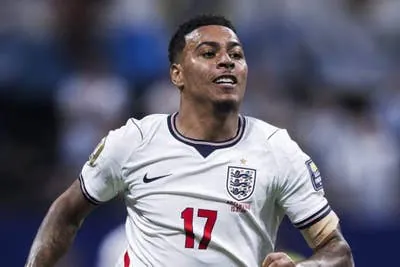
Chelsea‘s strong relationship with Aston Villa was noted as a positive factor in the negotiations. Chelsea had informed Rogers’ representatives earlier in the summer that they would not pursue a move while England was still competing in the World Cup, aiming to avoid any distractions for the player.
Villa, on the other hand, had preferred not to sell before the tournament, believing Rogers’ involvement would enhance his market value. The club acknowledged that selling key assets was necessary to bring in new signings and comply with UEFA financial regulations. Previous transfers, such as Liverpool‘s acquisitions of Alexander Isak and Florian Wirtz in 2025, and Manchester City‘s signing of Elliot Anderson, had set benchmarks for valuation.
Chelsea was aware that Arsenal was their primary competitor for Rogers. Bayern Munich head coach Vincent Kompany was also an admirer, and Paris Saint-Germain had included Rogers on a list of attacking midfielders they were tracking. Arsenal‘s charm offensive included England teammates Bukayo Saka and Declan Rice, and captain Martin Odegaard, with manager Mikel Arteta also speaking directly to Rogers.
Despite Arsenal‘s strong interest, Rogers was reportedly drawn to Chelsea‘s flexibility regarding his playing positions. While Arsenal had given him the impression he would primarily be used as a left winger, Chelsea intimated he would be utilized in a variety of roles, a factor that appealed to him.
The deal for Rogers was finalized on Saturday, following the conclusion of England‘s World Cup third-place play-off match against France, which England won.
Source: nytimes.com
 Ama Serwah
 Yaw Appiah
 Kwame Ofori
 Evelyn Mensah