
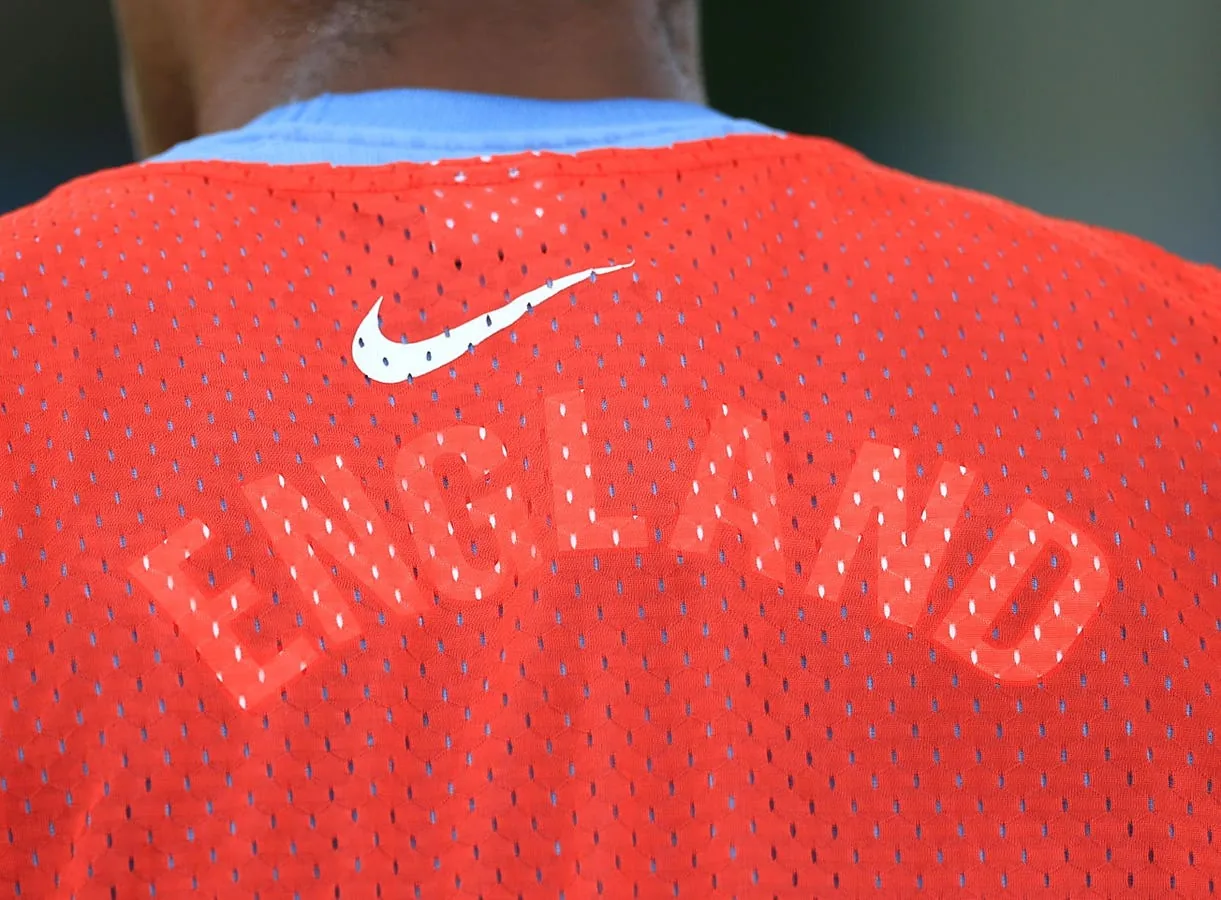
Away Kit Designs for the 2026 World Cup
The 2026 World Cup is set to feature 48 national teams, leading to a wide array of kit designs. Designers often use away shirts for more experimental concepts. This year’s collection includes designs that range from the visually striking to the understated, with some drawing inspiration from national heritage and others featuring bold patterns.
Among the kits, Switzerland’s away shirt, produced by Puma, has been noted for its color. Both the home and away Swiss shirts are reportedly inspired by the country’s passports. Similarly, Haiti’s away kit, from Saeta, a company with origins in Colombia and a U.S. division, has been described as not particularly strong, despite the palm trees on the back. Saeta has been supplying Haiti’s kits since 2014.
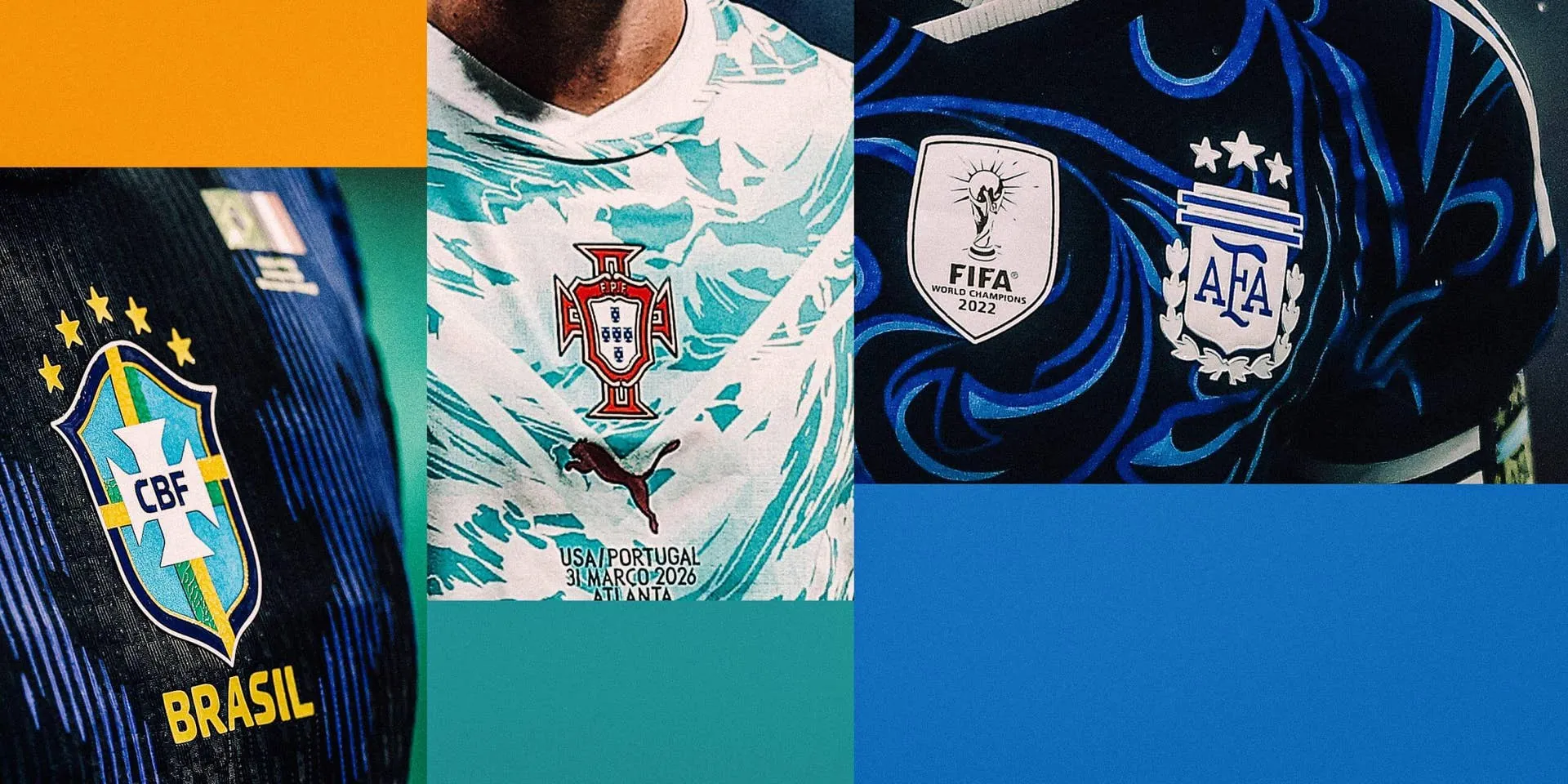
Norway’s away shirt is entirely black, with no other colors visible. Nike states that this design is inspired by Viking warriors, aiming to intimidate opponents and channel Norway’s fearless spirit. Portugal’s away kit, also from Puma, is said to be inspired by the nation’s iconic players, featuring a swirling, ocean-themed pattern on the upper half of the shirt.
Qatar’s away shirt, from Adidas, is a simple white shirt with a v-neck and maroon stripes on the sleeves. This design has been described as minimal. Canada’s away shirt has been likened to a dark T-shirt with white dust marks, while Croatia’s away kit uses the same design as their home shirt but in two shades of blue, which some find more appealing than the red and white checkerboard home version.
Ecuador’s away kit is a deep blue with gold trim, but has been described as somewhat uninspired. South Korea’s away shirt features a floral motif in a pale purple, which some find challenging to execute effectively in a football kit. Bosnia and Herzegovina’s away kit, by Kelme, is a white torso with dark blue sleeves and blue and yellow pinstripes, a design that is considered more effective than their home shirt due to the stronger color contrast.
The United States of America’s away shirt, according to Nike, depicts stars, building on the home shirt’s stripes from the American flag. Nike describes it as an elegant and undeniably American design. Ghana’s away shirt is a striking gold-yellow with an ostentatious background design, inspired by Accra’s Makola market. This kit stands out for its bold appearance.
Diverse Designs and Market Trends
The variety in away kit designs reflects different approaches from manufacturers and national federations. Some kits prioritize simplicity, while others embrace intricate patterns and bold color schemes. For instance, Brazil’s away kit has been noted for looking like it has had a spillage, while Argentina’s away kit has been described as garish. New Zealand’s away shirt features a background pattern symbolizing “the four winds that bring the country together,” according to Puma, and includes white sleeves and collar for a clean look.
The World Cup is a significant event for sportswear giants like Nike, Adidas, and Puma, serving as a global showcase for new national team kits. However, there is a growing trend of fans opting for retro shirts. The demand for vintage and second-hand soccer shirts has increased, becoming a mainstream fashion category driven by social media, sustainability, and nostalgia. Many supporters may wear shirts from previous tournaments rather than the latest official releases.
Vintage jerseys from the 1980s, 1990s, and early 2000s are now highly sought-after collectibles, with specialist retailers contributing to this market. Online marketplaces have made rare shirts accessible to a wider audience, and soccer shirts have become visible in mainstream fashion, with celebrities and influencers often wearing vintage jerseys. Younger consumers often find retro shirts to have more cultural value than new releases, with shirts from the 1994 tournament in the U.S. being particularly popular on resale platforms.
Sportswear companies are responding to this trend by incorporating retro-inspired designs and heritage-focused ranges. Adidas has seen success with retro collections and reissues of classic national team apparel. Nike has also adopted strategies that blend historic aesthetics with modern technology, and Puma has expanded its lifestyle and heritage offerings, recognizing that consumers are increasingly buying football apparel for everyday wear. The tournament is expected to have a positive commercial impact on host cities like Dallas, Philadelphia, and Kansas City.
Community Impact and Kit Culture
The aesthetic of the World Cup is heavily influenced by the kits worn by the teams. Each tournament develops a distinct visual identity, with kit designs playing a central role. The away kits, in particular, often allow for more creative freedom and experimentation from designers.
The cultural significance of football shirts extends beyond the pitch, influencing fashion and community identity. For example, the design of Ghana’s away shirt, inspired by the bustling Makola market in Accra, connects the team’s attire to local heritage. This blend of sport and culture is a recurring theme in kit design.
The growing popularity of retro jerseys also highlights a connection to football history and iconic moments. Shirts associated with significant events, such as Argentina’s 1986 World Cup triumph or France’s 1998 victory, have become cherished items for fans. This cultural value often resonates deeply within communities of supporters.
The 2026 World Cup is expected to be a major merchandise event, with sportswear brands showcasing their latest designs. The tournament’s impact will extend to various locations, with Mexico and Canada also anticipating a direct commercial boost and an opportunity to highlight their countries.
Read Also
Source: nytimes.com
 Yaw Appiah
 Kwame Ofori
 Ama Serwah
 Evelyn Mensah