
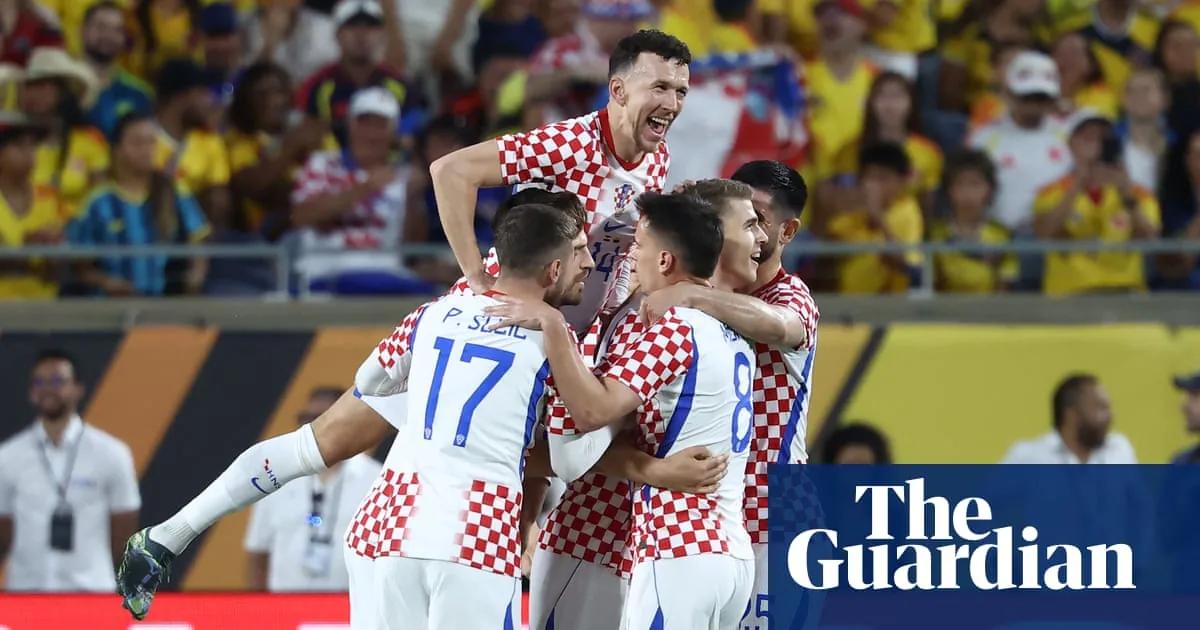
Croatia is set to participate in the World Cup 2026, bringing a squad rich in experience, with many key players in their thirties. The team’s qualification journey was largely smooth, securing their spot with a game to spare after defeating the Faroe Islands. This allowed coach Zlatko Dalic to experiment with player combinations and formations.
Despite initially stating he would not use a three-at-the-back formation again, Dalic has recently reconsidered, trying it in friendly matches against Colombia and Brazil. This tactical flexibility is likely to serve as a plan B for the tournament. The team typically relies on a back four, either a 4-3-3 or 4-2-3-1, a system that has been consistent throughout Dalic’s nearly decade-long tenure.
Squad experience and emerging talent
The Croatian squad is expected to be among the older teams in the tournament, with approximately half or more of the starters being over thirty. Captain Luka Modric, at 40, continues to be a central figure, having made his full international debut two decades ago. Other experienced players include Mateo Kovacic (32), Ivan Perisic (37), and Andrej Kramaric (turning 35). This blend of veterans provides a winning mentality and extensive experience, though it also raises questions about their endurance through the tournament’s demands.
Modric, who switched from Real Madrid in 2025, has been a standout player for Milan. He scored his 29th international goal in a warm-up match against Slovenia and is anticipated to reach the 200-cap milestone in North America. His influence on the team’s playmaking remains significant.
Among the younger talents, 19-year-old defender Luka Vuskovic is one to watch. The Tottenham player, who was on loan at Hamburg in the Bundesliga last season, has demonstrated his value and is expected to be a starter. His performances have even prompted Dalic to rethink some of his tactical approaches.
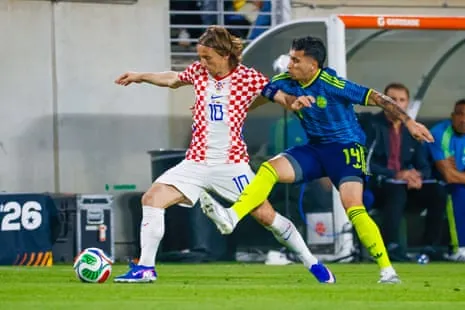
Mateo Kovacic, often overshadowed by Modric, is crucial to Croatia‘s midfield. His presence allows Modric more freedom and connects plays effectively. Dalic’s tactical decisions, including formation choices, are influenced by Kovacic’s form and availability. Both Kovacic and Josko Gvardiol, the Manchester City duo, are returning from injuries, which is expected to reinforce the team’s defensive structure.
Tactical approaches and qualification journey
Croatia‘s qualification for the World Cup 2026 was achieved with relative ease, marked by significant wins such as 7-0 against Gibraltar and 5-1 against the Czech Republic. Their only dropped points in the qualifiers came from a draw in Prague. This strong performance in qualifying allowed Dalic to experiment with different setups.
The team’s success in previous World Cups, including a silver medal in Russia and a bronze in Qatar, has set high expectations. Zlatko Dalic, who has led the team to five consecutive major tournaments, has been instrumental in this sustained success. His contract is set to conclude after this World Cup, a topic he prefers not to discuss publicly.
Croatia‘s ability to perform well in tournaments, despite being a smaller nation, is attributed to a combination of technical skill, a strong collective spirit, and significant tournament experience. Six players from the 2018 World Cup squad are still with the team, contributing to their deep understanding of tournament dynamics. The team’s resilience and national pride are also considered key factors, forged partly from the experiences of growing up in a country shaped by conflict.
The team’s strong defensive record during qualification, conceding only four goals, was among the best in UEFA qualifying. Their offensive output was also notable, with 26 goals scored, ranking as the fourth-best return in the qualification stages.
Andrej Kramaric was the top scorer for Croatia in qualification, netting six goals. Ivan Perisic followed with four goals and also led the team in goal creation with four assists from 23 key passes. These players are expected to be key offensive threats for Croatia in the upcoming tournament.
Croatia will kick off their World Cup 2026 campaign against England on June 17.
Fan expectations and team ethos
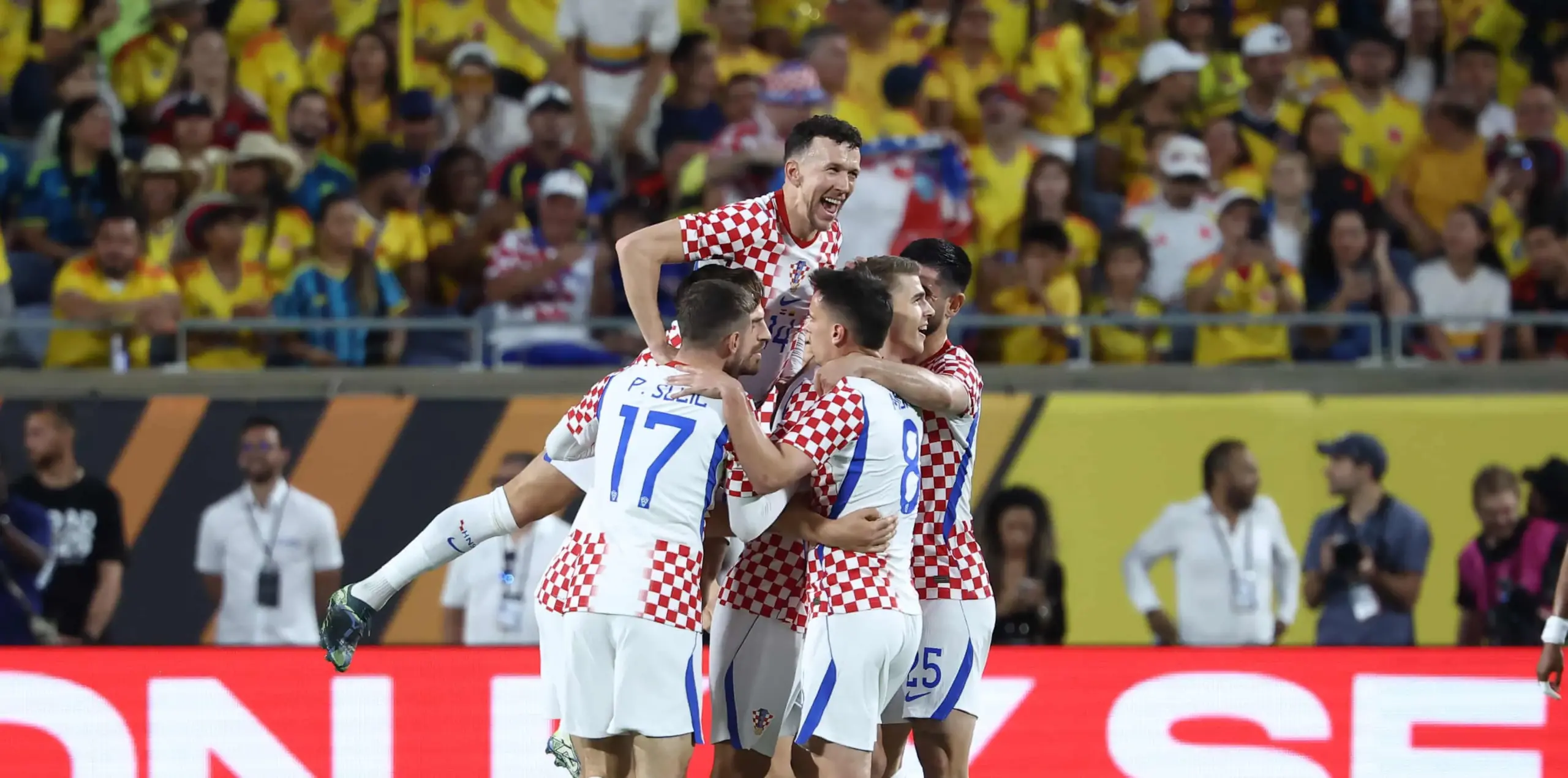
Croatian fans are known for their passionate support, and those traveling to North America are expected to create a vibrant atmosphere. The focus will be on supporting the team and enjoying the experience, rather than engaging in protests or disruptive behavior, which has historically led to sanctions for the team. The team and its management generally maintain a stance of not mixing sports with politics, particularly regarding international relations.
The national team is seen as a significant symbol for the nation, embodying a movement that unites the country. This strong national identity and collective spirit are considered integral to Croatia‘s consistent overachievement on the international football stage.
Croatia has a history of reaching at least the semi-finals in three of their six World Cup appearances, showcasing their ability to perform on the biggest stage. In the 2022 tournament, they reached the semi-finals despite only being in the lead for 46 minutes throughout their matches.
The team’s preparation has included various tactical trials, with Dalic exploring both a 3-4-2-1 formation, notably against Belgium, and the more traditional 4-3-3, as seen against Slovenia. This adaptability suggests that Croatia aims to tailor its approach based on the opponent, potentially using the 3-4-2-1 against stronger teams like England and reverting to a 4-3-3 for other group stage matches.
The World Cup 2026 fixtures for Croatia include matches against Panama on June 24 and Ghana three days later, following their opening game against England on June 17.
Read Also
Source: theguardian.com
 Yaw Appiah
 Kwame Ofori
 Ama Serwah
 Evelyn Mensah