
Introduction
The West Nile Virus (WNV) remains a significant health concern across many regions, particularly during the warmer months when mosquito populations thrive. First identified in Uganda in 1937, the virus has made its way around the globe, affecting humans, birds, and other animals. As cases surge in various parts of the world, understanding the virus is paramount for public health initiatives and individual safety.
Recent Outbreaks and Statistics
2023 has seen an uptick in West Nile Virus cases in the United States, with over 600 reported infections and at least 20 confirmed fatalities as of late October. This marks a notable increase from 2022, when fewer than 400 cases were reported. According to the Centers for Disease Control and Prevention (CDC), the majority of infections this year occurred in states such as California, Illinois, and Texas, where warm weather has aided mosquito breeding.
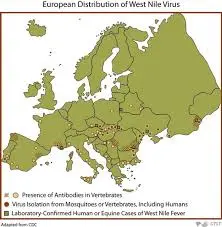
In Europe, various countries are also reporting increased cases of WNV among both birds and humans. For instance, Italy has witnessed a minor outbreak among some populations, showing the virus’s broader geographical range and potential for spreading in Europe.
Transmission and Symptoms
West Nile Virus is primarily transmitted through mosquito bites, particularly from the Culex species, which are prevalent across the globe. While most people infected with WNV experience mild symptoms or none at all, approximately 1 in 150 can develop severe neurological conditions such as encephalitis or meningitis. Symptoms can include fever, headache, body aches, and in more severe instances, confusion and seizures.
Prevention and Control Measures
Preventing West Nile Virus primarily revolves around mosquito control. Public health officials advise communities to eliminate standing water where mosquitoes breed, and homeowners are encouraged to use insect repellents containing DEET, wear protective clothing, and install screens on windows. Community awareness campaigns are also vital in educating the public about preventive measures.
Conclusion
With the rise in West Nile Virus cases and its persistent threat, continued vigilance remains essential. Authorities must focus on monitoring mosquito populations and potential human cases, while individuals should be proactive about prevention. As climate changes influence vector-borne diseases like WNV, understanding its impact and adapting preventive strategies will be crucial for safeguarding public health in the years to come. The significance of awareness cannot be overstated, as communities need to unite for a comprehensive approach to control and prevent the spread of this viral infection.
 Ama Serwah
 Evelyn Mensah
 Kwame Ofori