
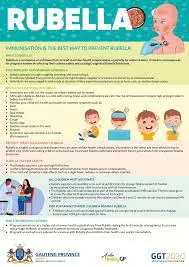
Introduction to Rubella
Rubella, also known as German measles, is a contagious viral infection that poses significant risks, particularly for pregnant women and their unborn children. Understanding its transmission, symptoms, and preventive measures is crucial for public health. With recent outbreaks reported in various parts of the world, awareness and vaccination against rubella have become even more vital.
The Importance of Rubella Vaccination
The MMR vaccine, which protects against measles, mumps, and rubella, has been widely used since the 1970s and has significantly decreased the incidence of these diseases. The World Health Organization (WHO) recommends vaccination as the most effective way to prevent rubella, especially in women of childbearing age. Immunisation can prevent congenital rubella syndrome (CRS), which can result in severe birth defects and developmental delays.
Current Outbreaks and Health Responses
In recent months, public health officials have noted sporadic outbreaks of rubella in various regions, particularly areas with low vaccination coverage. For instance, in some pockets of Europe and parts of Asia, cases have been rising, which is a concerning trend for health authorities. In response, health departments are ramping up vaccination campaigns and awareness programmes to educate the public about the importance of immunisation and the risks associated with rubella.
Symptoms and Diagnosis
The symptoms of rubella usually appear 14 to 21 days after exposure and often include a mild rash, fever, and swollen lymph nodes. Although many individuals experience a relatively mild illness, the risks to pregnant women and their babies make rubella particularly concerning. Early diagnosis is important and can be confirmed through blood tests or a physical examination by a healthcare provider. Public health organizations encourage anyone showing symptoms, especially those in contact with pregnant women, to seek medical advice promptly.
Conclusion: The Path Forward
Rubella remains a preventable disease through vaccination. The recent upticks in case numbers underscore the need for vigilance in immunisation efforts. To protect vulnerable populations, including unborn children, it is imperative that vaccination coverage remains high. Public health officials encourage communities to participate in vaccination campaigns and educate themselves about rubella’s symptoms and risks. By doing so, we can work towards eliminating rubella and its associated health threats for future generations.
 Ama Serwah
 Evelyn Mensah
 Kwame Ofori