
Introduction
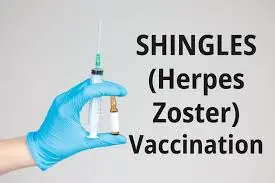
The shingles vaccine has taken centre stage in public health discussions due to the increasing incidence of shingles, especially among older adults. Shingles, or herpes zoster, is a painful rash caused by the reactivation of the varicella-zoster virus, which also causes chickenpox. With the World Health Organisation recommending vaccination as a preventive measure, understanding its significance is essential for maintaining health in later life.
The Importance of the Shingles Vaccine
According to the NHS, approximately 1 in 3 people will develop shingles in their lifetime. The risk of developing shingles and its complications increases with age, especially for those aged 70 and over. As the population ages, public health authorities are increasingly advocating for vaccination as a critical means of reducing incidence and severity.
The vaccine, known as Shingrix, has been shown to be over 90% effective in preventing shingles and its associated complications. It is recommended that adults aged 50 and older receive the vaccine, regardless of whether they had shingles before or previously received the older vaccine, Zostavax.
Recent Developments and Recommendations
In recent months, health officials have underscored the need for increased vaccination efforts. The UK Health Security Agency reported that vaccination rates for shingles had dropped slightly in recent years, attributed in part to the COVID-19 pandemic disruptions. Awareness campaigns are being launched to encourage individuals, especially those in high-risk groups, to get vaccinated.
In addition to preventing shingles, the vaccine significantly reduces the risk of developing postherpetic neuralgia, a debilitating condition affecting some shingles patients. This long-lasting pain can last for months or even years after the initial rash has healed, making vaccination a crucial preventive strategy.
Conclusion
The shingles vaccine is a vital tool in protecting older adults from a painful and potentially damaging condition. With the increased awareness of its importance and the push for higher vaccination rates, it is critical for individuals aged 50 and above to consult their healthcare provider about getting vaccinated. As the healthcare community continues to promote the benefits of the shingles vaccine, it is expected that vaccination rates will rise, leading to a decline in shingles cases and improved quality of life for many.
 Ama Serwah
 Evelyn Mensah
 Kwame Ofori