
Introduction
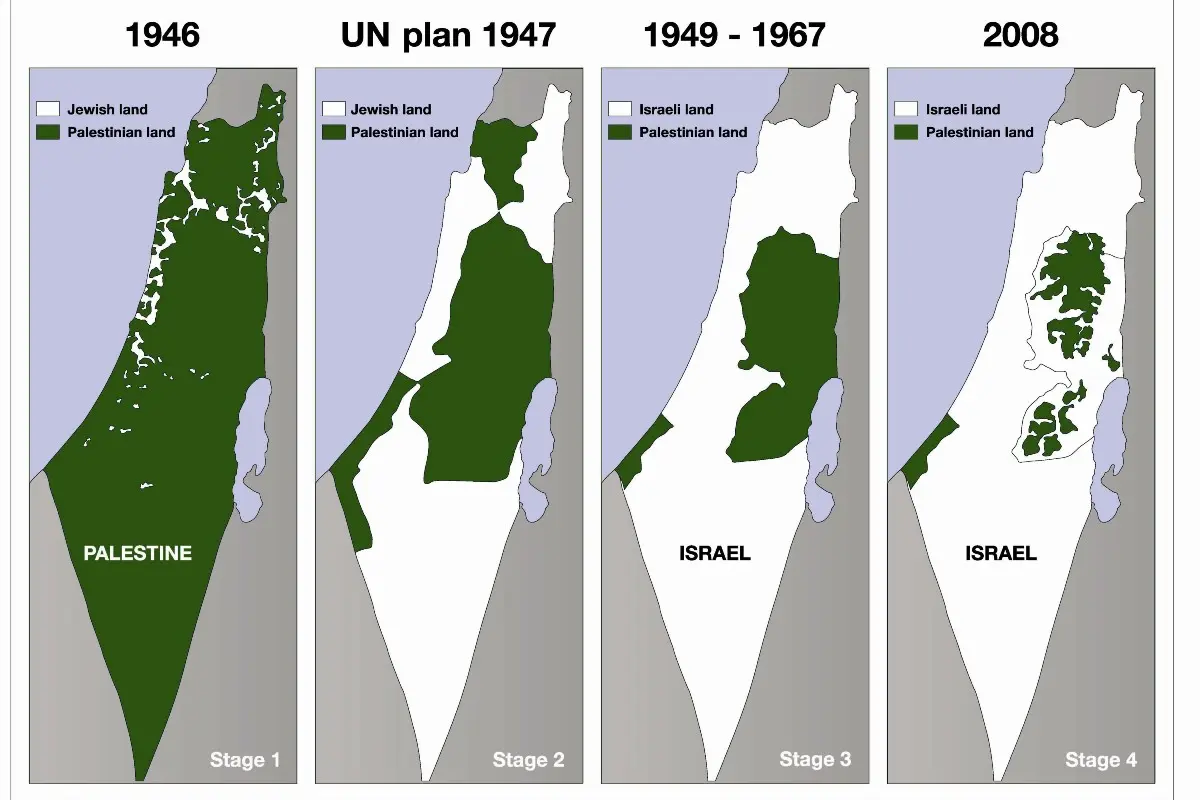
The concept of a Palestinian state has been a focal point in Middle Eastern politics for decades, relevant not only to regional stability but also to international relations. With ongoing conflicts and peace negotiations, understanding the importance of Palestinian statehood is crucial for assessing future developments in the region.
The Current Situation
As of October 2023, tensions in Israel and Palestine continue to escalate. Recent clashes between Israeli forces and Palestinian groups have highlighted the ongoing urgency for a solution to the Israeli-Palestinian conflict. The Palestinian Authority (PA), led by President Mahmoud Abbas, has been calling for renewed peace talks, but overarching issues such as borders, security, and the status of Jerusalem remain divisive.
The Quest for Recognition
The call for a sovereign Palestinian state gained significant momentum in 1988 when the Palestine Liberation Organization (PLO) declared independence. Since then, various nations and international organisations, including the United Nations, have recognised Palestine as a non-member observer state. However, achieving full sovereignty is hampered by internal divisions between Palestinian factions, particularly between the PA in the West Bank and Hamas in Gaza.
International Stakeholders
Several countries and international organisations are invested in the Israeli-Palestinian peace process. The United States has historically played a mediating role, although its approach has varied with different administrations. The European Union also advocates for a two-state solution, aimed at addressing the aspirations of both Israelis and Palestinians. Meanwhile, regional players like Egypt and Jordan have sought to facilitate dialogues, emphasizing the need for sustained negotiations.
Challenges Ahead
Despite ongoing diplomatic efforts, significant roadblocks remain. Settlements in the West Bank continue to be a contentious issue, as well as the humanitarian situation in Gaza. The international community has repeatedly called for a halt to settlement expansion to assist the peace process. Furthermore, the recent rise in violence, including attacks and airstrikes, complicates dialogue prospects.
Conclusion
The establishment of a Palestinian state is seen by many as a potential pillar of peace and stability in a historically turbulent region. However, achieving this goal requires addressing deep-rooted grievances and fostering an environment conducive to negotiations. As global focus shifts and geopolitical dynamics evolve, the importance of Palestinian statehood remains significant for not only the Middle East but also for international relations at large.
 Yaw Appiah
 Kwame Ofori
 Evelyn Mensah