
Introduction
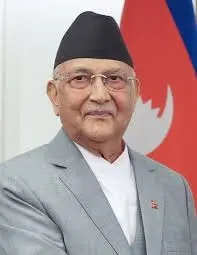
The role of the Prime Minister in Nepal is central to the nation’s governance and political stability. As a country with diverse ethnicities and political ideologies, the leadership provided by the Prime Minister is crucial for maintaining cohesion and driving development. The significance of this position is underscored in times of political uncertainty, with the current administration facing multiple challenges that impact not only the domestic landscape but also Nepal’s international relations.
Current Leadership
As of October 2023, Pushpa Kamal Dahal, also known as Prachanda, serves as the Prime Minister of Nepal. This marks his third term in office. Prachanda, a prominent leader of the Communist Party of Nepal (Maoist Centre), has been a significant figure in Nepalese politics for over two decades. His administration’s primary focus has been on economic recovery, governance reforms, and addressing the aftermath of the devastating 2015 earthquake.
Political Landscape
Nepal’s political environment is characterised by coalition governments and frequent changes in leadership, which can result in policy instability. The current coalition, led by Prachanda, consists of various parties that have agreed to work together, despite previous rivalries. Recently, the government has faced criticism regarding its handling of the economy, particularly in light of rising inflation rates and unemployment.
Key Challenges
Among the significant challenges facing the Nepali Prime Minister is the need to boost the economy, which has been hampered by global supply chain disruptions and local governmental inefficiencies. Additionally, issues such as corruption, public dissatisfaction, and demands for greater representation from various ethnic groups threaten to destabilise the coalition government. Recent protests have highlighted the need for reforms to uphold democratic principles and address public grievances effectively.
Significance and Future Outlook
The role of the Nepali Prime Minister is not only vital for domestic affairs but also for Nepal’s foreign relations, particularly with neighbouring countries like India and China. Improving these relationships while addressing internal dissatisfactions will be key to maintaining stability in the region. Looking ahead, observers believe that the ability of Prachanda’s government to navigate these challenges will determine the political trajectory of Nepal in the coming years.
Conclusion
The position of the Nepali Prime Minister remains crucial in fostering national unity and advancing socio-economic progress. As the current administration tackles various challenges, the focus will increasingly be on governance quality and inclusive policy-making to ensure a thriving future for all Nepalese citizens.
 Yaw Appiah
 Evelyn Mensah
 Kwame Ofori