
Introduction
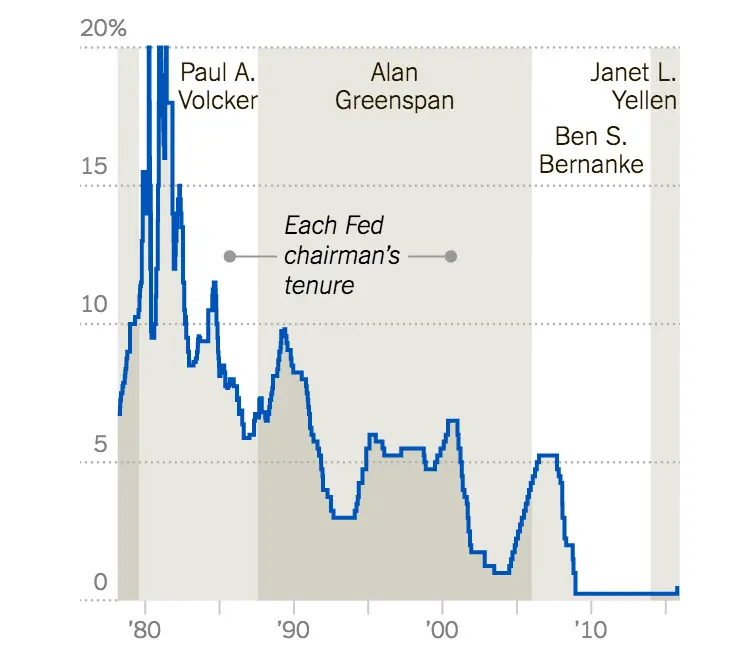
The United States Federal Reserve, or the Fed, plays a critical role in shaping economic policy through its control of interest rates. The decisions taken by the Fed on setting benchmark interest rates significantly influence borrowing, spending, and overall economic growth. Recently, rising concerns over inflation and economic recovery post-COVID-19 have made the central bank’s actions more relevant to households and businesses alike.
Current Landscape of Interest Rates
As of October 2023, the Federal Reserve has maintained its benchmark interest rate in a range of 5.25%-5.50%. This decision follows a series of aggressive rate hikes aimed at combating persistent inflation that surged in the wake of the pandemic. The year 2021 and early 2022 saw inflation rates soar to levels not witnessed in decades, prompting the Fed to act decisively. In recent meetings, a cautious approach has been adopted, indicating that the Fed is now assessing the effects of previous rate hikes on the economy.
Impact of Interest Rate Changes
Higher interest rates lead to more expensive borrowing costs for consumers and businesses. For mortgage seekers, the rates they face are closely tied to Fed rates, impacting housing affordability. Similarly, businesses may scale back on investment and expansion plans in the face of higher costs for loans. Conversely, when interest rates rise, savers may benefit from better returns on savings accounts and fixed-income investments.
Conclusions and Future Outlook
The decisions made by the Federal Reserve regarding interest rates have far-reaching implications for the U.S. economy. With inflation showing signs of easing yet remaining above the Fed’s 2% target, the central bank faces a delicate balancing act. Forecasts suggest that the Fed may keep rates steady in the near term while remaining vigilant on inflation indicators. For consumers and businesses, understanding the evolving landscape of interest rates will be essential to navigating financial decisions in the coming months.
As we move forward, continuous monitoring of Fed policy and economic data will be vital for predicting market shifts and preparing for changes in borrowing costs. The Federal Reserve’s influence will undoubtedly shape economic conditions for the foreseeable future.
 Yaw Appiah
 Ama Serwah
 Evelyn Mensah
 Kwame Ofori