
Introduction
The S&P 500 index, a benchmark that represents 500 of the largest publicly traded companies in the United States, serves as a key indicator of the overall health of the U.S. stock market. Investors and analysts closely monitor its performance as it encapsulates a diverse range of sectors, from technology to healthcare. Understanding the nuances of the S&P 500 is increasingly important amidst the current economic fluctuations driven by inflation, interest rates, and geopolitical tensions.
Current Trends and Performance
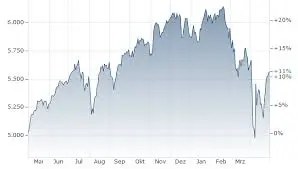
As of October 2023, the S&P 500 is witnessing a resurgence following a challenging market environment earlier this year. The index has rebounded approximately 15% since its trough in May 2023, invigorated by strong corporate earnings reports and a resilient job market. Notably, technology companies, particularly those involved in artificial intelligence, are leading this charge, demonstrating remarkable revenue growth even amid rising interest rates.
Better-than-expected earnings from major firms like Apple, Microsoft, and Nvidia have significantly contributed to the S&P 500’s bullish outlook. The technology sector, now representing about 27% of the index, shows that investors have strong faith in tech-driven innovation despite macroeconomic challenges. Additionally, the consumer discretionary sector has also seen a surge, indicating heightened consumer confidence as inflation shows signals of stabilising.
The Impact of Economic Indicators
Several economic indicators have influenced the S&P 500’s trajectory this year. The recent Federal Reserve meetings suggest a cautious approach toward interest rate hikes, easing pressure on equity markets. Moreover, the employment market remains robust, with job creation exceeding estimates. These factors contribute to investor optimism, encouraging a more favorable environment for stocks listed on the S&P 500.
However, looming concerns regarding potential recession fears and ongoing geopolitical instability, especially relating to the situation in Eastern Europe and Asian markets, add an element of uncertainty for future performance. Analysts recommend that investors remain vigilant, weigh their portfolios appropriately, and consider hedging strategies as the market continues to adapt to these changes.
Conclusion
The S&P 500 index remains a crucial barometer for the health of the U.S. economy. With its recent performance reflecting positive trends amid volatility, it continues to attract both institutional and retail investors. While the outlook for the remainder of 2023 appears optimistic, it is essential for stakeholders to remain informed and adaptable to changing market conditions. The index not only influences investment strategies but also serves as a gauge for potential economic growth, making its significance undeniable.
 Yaw Appiah
 Ama Serwah
 Evelyn Mensah
 Kwame Ofori