
Introduction
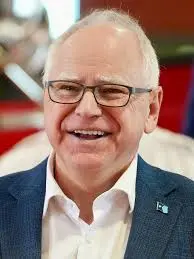
Tim Walz, the 41st Governor of Minnesota, has been a significant figure in state politics since taking office in January 2019. Known for his educational background as a former public school teacher and member of Congress, Walz’s leadership has been marked by a focus on equity, health care, and economic development. His policies and initiatives have drawn national attention and raised discussions about statewide and national legislative practices.
Main Body
Since his election, Governor Walz has faced numerous challenges, most notably the COVID-19 pandemic. His administration implemented several measures aimed at mitigating the impact of the virus, including mask mandates, vaccination drives, and support for small businesses affected by lockdowns. As a result, Minnesota’s vaccination rates have been among the highest in the nation.
Walz’s commitment to education reform has also played a central role in his governance. In 2021, he signed legislation aimed at increasing funding for public schools and making college more affordable for students from low-income families. This initiative focused on inclusivity and aimed to bridge the educational achievement gap prevalent in the state.
In the realm of economic recovery, Walz has championed efforts to invest in renewable energy, pledging to transition Minnesota towards a more sustainable future, contributing to the climate action goals. His administration has set ambitious targets for reducing greenhouse gas emissions and enhancing the state’s clean energy workforce.
Conclusion
As Walz continues to serve as governor, his actions are shaping the narrative of Minnesota’s political landscape. Analysts predict that his focus on health care reform and education accessibility will be pivotal in the upcoming elections. As his policies evolve, they could serve as a model for other states facing similar issues. For Minnesota residents and those interested in national governance, understanding Tim Walz’s initiatives provides insight into the transformative potential of state-level leadership.
 Yaw Appiah
 Evelyn Mensah
 Kwame Ofori