
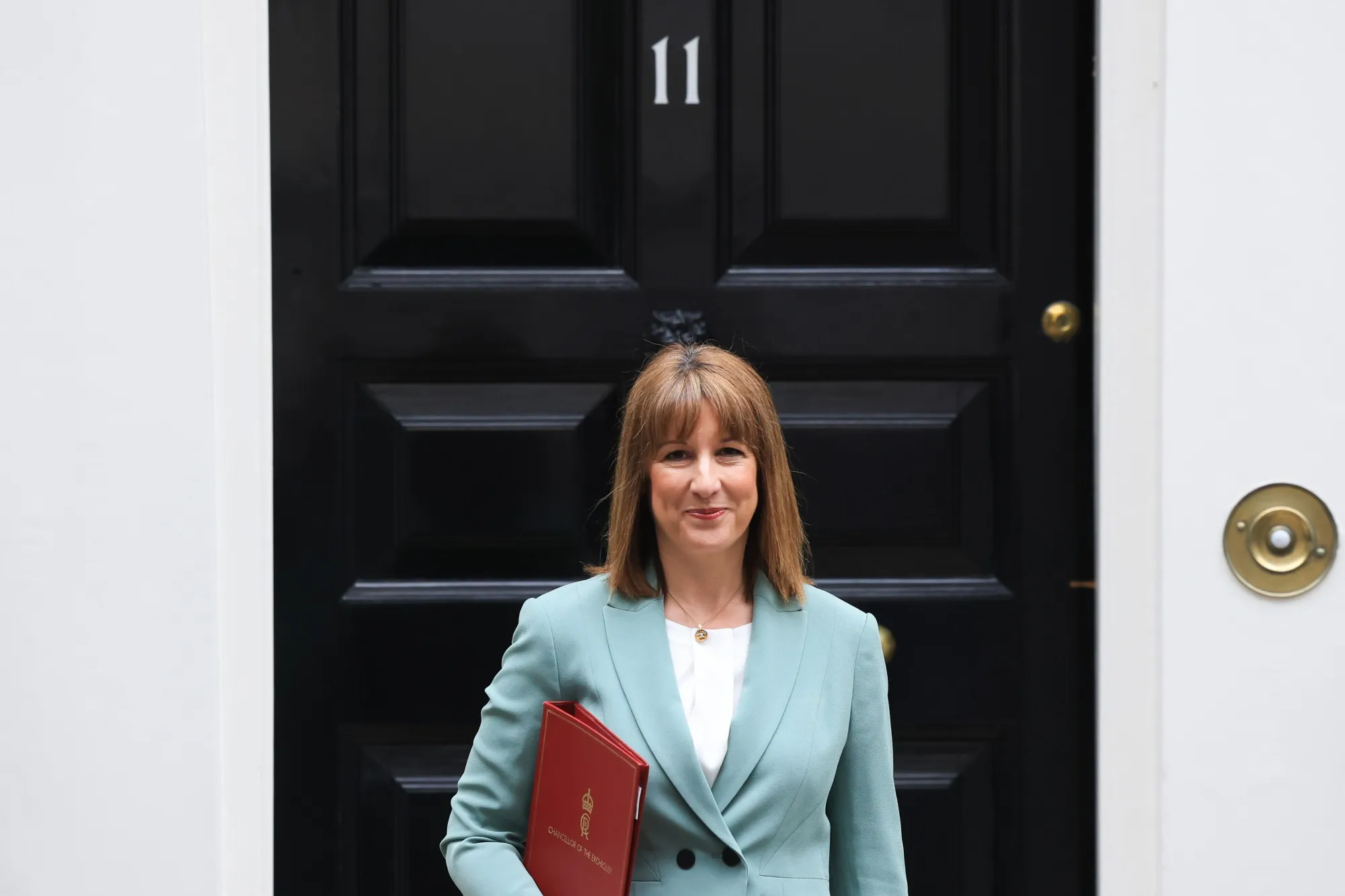
Introduction
The Chancellor of the Exchequer plays a critical role in shaping the UK’s economic landscape. Responsible for overseeing the Treasury, the Chancellor’s decisions affect fiscal policy, public spending, and taxation, making this position crucial for both national and global economic stability. As the country navigates post-pandemic recovery and ongoing challenges such as inflation and energy costs, the actions and strategies of the Chancellor are under close scrutiny.
Current Developments
In recent months, the current Chancellor, Jeremy Hunt, has announced several key measures aimed at addressing pressing economic issues. In a recent speech, he reiterated the government’s commitment to managing inflation, which is currently at a rate of around 7.0%, significantly above the Bank of England’s target of 2.0%. To combat this, the government has implemented a mix of fiscal policies aimed at reducing costs for households and businesses alike.
One of the significant pieces of legislation introduced is a temporary energy price cap intervention. This measure is intended to shield consumers from the volatility of global energy prices, which surged due to geopolitical tensions and supply chain disruptions. The cap will remain in place until early next year, underlining the government’s commitment to support citizens amid rising living costs.
Fiscal Responsibility and Future Plans
Amid the rising costs and inflationary pressures, the Chancellor emphasises fiscal responsibility. In his recent budget statement, Hunt proposed a gradual reduction of public debt as a percentage of GDP while maintaining crucial spending on health, education, and green initiatives. His focus on sustainable economic growth has garnered both praise and criticism. Supporters argue this balanced approach is necessary for long-term stability, while critics claim it is insufficient to meet the immediate needs of vulnerable populations.
Furthermore, Hunt has indicated an interest in maintaining open lines of communication with financial markets, ensuring transparency and confidence in UK fiscal management. His proactive engagement aims to allay fears of potential economic instability, especially in light of the recent volatility in global markets.
Conclusion
The role of the Chancellor of the Exchequer is more relevant than ever as the UK faces multifaceted economic challenges. Jeremy Hunt’s approach to inflation, energy costs, and fiscal management will have lasting implications for citizens and businesses alike. Moving forward, stakeholders will be watching closely to see how effective these strategies are in stabilising the economy and promoting growth. As policies evolve, the significance of the Chancellor’s decisions could shape not only the UK’s immediate economic future but also its position on the world stage.
 Yaw Appiah
 Evelyn Mensah
 Kwame Ofori