
Introduction
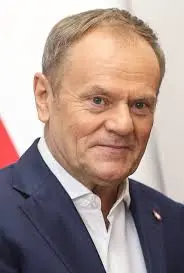
The role of the Polish Prime Minister is significant in shaping the country’s political landscape and addressing crucial issues such as economic growth, social policies, and international relations. As Poland navigates through times of geopolitical tensions and domestic challenges, understanding the responsibilities and actions of the Polish Prime Minister is vital for citizens and international observers alike.
Current Political Context
The Polish Prime Minister, Mateusz Morawiecki, has been at the helm since December 2017, leading the ruling Law and Justice party (PiS). The country is currently facing numerous challenges, including the repercussions of the Russian invasion of Ukraine, which has forced Poland to take a stance in support of its neighbour while bracing for potential security implications. Moreover, as the European Union (EU) grapples with various crises, Poland’s influential position within the bloc brings added complexity to Morawiecki’s leadership.
Recent Developments
In recent months, Morawiecki has focused on several key issues, including energy security, economic stability, and social welfare policies. The Russian-Ukrainian war has prompted Poland to strengthen its military presence and support NATO’s eastern flank. Morawiecki’s government has also recently increased the national minimum wage, aiming to tackle inflation and enhance the living standards of Polish citizens.
In April 2023, the prime minister announced a new initiative to promote green energy projects which could foster long-term sustainability and bolster Poland’s position in the EU green transition. This initiative is aimed at reducing reliance on coal and increasing investment in renewable energy sources, addressing both environmental and economic concerns.
Challenges Ahead
Despite these advancements, Morawiecki faces considerable opposition from various groups, including the centrist opposition alliance which criticises the government’s handling of democratic values and judicial reforms. The political landscape is further complicated by rising inflation and economic disparities, which may impact the Law and Justice party in the upcoming elections scheduled for 2024.
Conclusion
The role of the Polish Prime Minister continues to be pivotal as Poland approaches critical elections and navigates through regional security dynamics and economic challenges. As Mateusz Morawiecki seeks to reinforce Poland’s position both domestically and within the EU, the coming months will be crucial in determining the direction of the country’s politics and its citizens’ future. Observers, therefore, should keep a keen eye on the developments within Polish politics, as they could signal broader trends in European political dynamics.
 Yaw Appiah
 Evelyn Mensah
 Kwame Ofori