
Introduction
Fascism, characterized by authoritarian power and extreme nationalism, has resurfaced as a critical issue in contemporary society. With rising global tensions, the term ‘fascism’ is being used frequently to describe various political movements and governmental shifts. The relevance of understanding this ideology is paramount, as it influences political discourse, affects civil liberties, and poses a challenge to democratic norms worldwide.
Recent Events
In recent years, several countries have witnessed the rise of leaders and parties exhibiting fascist tendencies. For instance, the increasing popularity of far-right parties in Europe, such as Italy’s League and France’s National Rally, demonstrate a shift towards nationalist sentiment often accompanied by anti-immigration rhetoric. In 2022, Italy elected Giorgia Meloni as Prime Minister, marking the first time a far-right leader led the country since Mussolini.
Moreover, the January 6 riot at the U.S. Capitol raised concerns about fascist elements within American politics. Supporters of former President Donald Trump embraced symbolism and rhetoric that drew parallels with historical fascist movements, igniting widespread debate about the state’s future and democratic integrity.
Implications for Society
The resurgence of fascist ideologies has significant implications for societies. Activists and scholars warn of the potential for erosions in democratic principles, civil rights, and social justice. Reports from organizations like Human Rights Watch and Amnesty International document increasing hate crimes and governmental crackdowns on dissent in various nations. Such actions not only threaten minority communities but also challenge the fundamental principles of democracy.
Future Outlook
Looking ahead, the prospects of combating fascist ideologies hinge on civic engagement and education. Advocates emphasize the importance of historical awareness, informed discussions, and collective action against discrimination and authoritarianism. Encouraging open dialogue and promoting inclusive policies may serve as bulwarks against the encroachment of fascism.
Conclusion
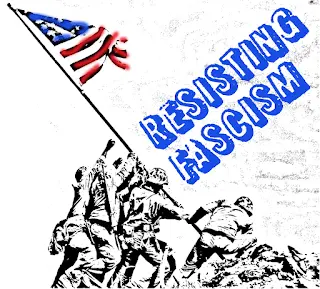
Fascism remains a significant topic of concern in today’s world, necessitating vigilance from individuals and societies alike. As political landscapes evolve, understanding the roots, manifestations, and historical context of fascism is essential for defending democratic values and fostering societies where diverse voices and opinions can thrive. The fight against fascism is not just a political struggle but a moral imperative that requires collective action and unwavering commitment to equality and justice.
 Yaw Appiah
 Evelyn Mensah
 Kwame Ofori