
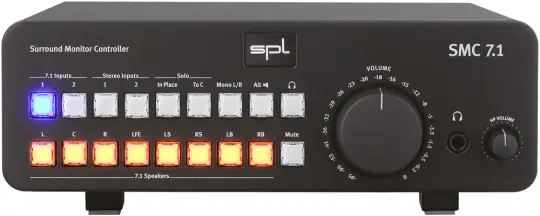
Introduction to SPL
Sound Pressure Level (SPL) is a pivotal aspect of audio technology that measures the pressure of sound in relation to a reference level. This concept is particularly significant in fields such as music production, acoustics, and audio engineering. Understanding SPL is essential for sound professionals to ensure clear audio communication across various environments, from concert halls to home theatres.
Understanding SPL Measurements
SPL is generally measured in decibels (dB), with a reference level set at 20 micropascals, which is considered the threshold of hearing for a human ear. For sound engineers, an SPL level of around 85 dB is commonly accepted as the safe limit for prolonged exposure, beyond which hearing damage may occur. In concert settings, SPL levels can often exceed 100 dB, requiring careful monitoring to safeguard audiences and performers alike.
Applications of SPL in Various Domains
In the music industry, SPL plays a crucial role in both live performance and studio recordings. Sound engineers utilise SPL measurements to mix tracks effectively, ensuring that vocals, instruments, and other sounds come together cohesively. This is particularly important in high-energy concerts where excessive SPL can result in auditory discomfort or damage. Furthermore, SPL is also pivotal in designing acoustically treated spaces, helping to create environments that enhance audio experiences while minimising sound pollution.
Current Trends in SPL Measurement and Monitoring
Recent advancements in audio technology have led to more precise and portable SPL measurement tools. Digital SPL meters and smartphone applications are becoming increasingly popular among both amateur audio enthusiasts and seasoned professionals. These technologies facilitate real-time monitoring, allowing users to make instant adjustments in dynamic settings and ensuring that sound levels remain within safe ranges. Additionally, audio professionals are now utilising SPL analytics to inform venue design, helping to optimise acoustics through careful planning and implementation.
Conclusion and Future Considerations
In conclusion, understanding Sound Pressure Level is vital for professionals involved in audio production and acoustics. As technology continues to evolve, the tools and methodologies surrounding SPL measurement both in live and studio environments will become even more sophisticated. For readers, whether you are a budding audio engineer or simply enjoy optimal sound experiences, keeping abreast of SPL developments can significantly enhance your understanding and appreciation of sound quality in everyday life.
 Evelyn Mensah
 Yaw Appiah
 Kwame Ofori
 Ama Serwah