
Introduction
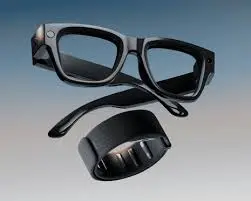
As technology continues to evolve rapidly, augmented reality (AR) has emerged as a crucial aspect of our digital landscape. One of the most exciting advancements in this arena is the development of Meta Glasses, which bring together immersive experiences and everyday functionality. Their relevance lies not only in entertainment but also in transforming how we engage with the world around us.
The Rise of Meta Glasses
In recent events, tech giant Meta (formerly Facebook) has placed significant emphasis on its AR and virtual reality initiatives. Launched in late 2023, the Meta Glasses exemplify a new wave of innovation aimed at enhancing personal productivity and social interaction. With intuitive hands-free control, users can seamlessly integrate their digital lives into their physical environments.
Key Features
Meta Glasses are designed to merge the digital and physical worlds, enabling users to access applications, view notifications, and even navigate their surroundings with ease. Key features include:
- Augmented Reality Display: The glasses overlay digital information onto the user’s field of vision, making practical tasks more manageable.
- Voice and Gesture Control: Users can engage with the device hands-free, using voice commands or simple gestures to execute functions.
- Extended Battery Life: Designed for continuous use, the glasses come with a battery that lasts a full day on a single charge, ideal for professionals and on-the-go individuals alike.
Applications and Impact
Meta Glasses have a wide range of applications across different sectors. In education, they serve as powerful tools for interactive learning experiences, allowing students to visualise complex concepts. In healthcare, medical professionals can use them for training and patient care, overlaying critical information during procedures. Additionally, businesses can deploy these glasses for enhanced collaboration, enabling teams to work together in an augmented workspace.
Challenges and Future Outlook
Despite their potential, the rollout of Meta Glasses faces challenges such as privacy concerns and the need for further advancements in AR technology. Users remain cautious about how data is collected and used. The future of Meta Glasses hinges on addressing these concerns while continuing to innovate and improve user experience.
Conclusion
In summary, Meta Glasses represent a transformative step towards an augmented reality future, enriching how we interact with technology and each other. As the technology progresses, we can expect even broader applications that could significantly alter our everyday experiences. For readers keen on the intersection of technology and lifestyle, staying informed about such innovations is essential to understanding the future of connectivity and interaction.
 Evelyn Mensah
 Yaw Appiah
 Kwame Ofori
 Ama Serwah