
Introduction
The European Union (EU) represents a unique partnership among its member countries, showcasing a blend of economic, political, and cultural integration. As of 2023, the EU comprises 27 member states, each contributing to a collective governance structure that influences many facets of life, including trade, security, and social policies. Understanding the current status and developments involving these EU countries is crucial not only for residents within the union but also for external stakeholders and global observers.
Current Member States
The EU member countries include Austria, Belgium, Bulgaria, Croatia, Cyprus, the Czech Republic, Denmark, Estonia, Finland, France, Germany, Greece, Hungary, Ireland, Italy, Latvia, Lithuania, Luxembourg, Malta, the Netherlands, Poland, Portugal, Romania, Slovakia, Slovenia, Spain, and Sweden. Each of these nations retains its sovereignty yet shares in the overarching policies shaped by EU legislation.
Recent Developments and Challenges
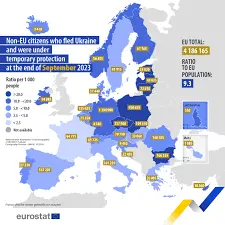
As the EU continues to navigate complex issues, several recent developments have emerged. One key focus area has been the EU’s response to external challenges, such as the geopolitical tensions arising from the conflict in Ukraine. The union has coordinated extensive sanctions against Russia and provided support to Ukraine, emphasizing the importance of unity among EU countries in times of crisis.
Moreover, the economic impact of the COVID-19 pandemic has led to significant policy shifts within the EU. The Next Generation EU recovery plan, launched in 2020, remains an essential topic as member states continue to engage in discussions about fiscal responsibility and redistribution of funds. Additionally, climate change initiatives are driving countries to align their strategies with EU-wide goals to ensure collective sustainability efforts.
Significance of EU Countries
The relevance of EU countries extends beyond their geographic boundaries. Collectively, they represent one of the world’s largest economies, fostering trade relations and diplomatic ties not only within Europe but globally. The EU’s commitment to democratic principles, human rights, and the rule of law reinforces its role as a significant player on the international stage.
Conclusion
In conclusion, the landscape of EU countries in 2023 is marked by both opportunity and challenge. As member states continue to confront external pressures and internal debates on economic policy, the importance of collaboration and unity cannot be overstated. The actions taken by EU countries will undoubtedly shape the future of Europe, and by extension, global dynamics. Stakeholders, both within and outside the union, must remain engaged with the ongoing developments within this vital political and economic alliance.
 Yaw Appiah
 Evelyn Mensah
 Kwame Ofori