
Introduction
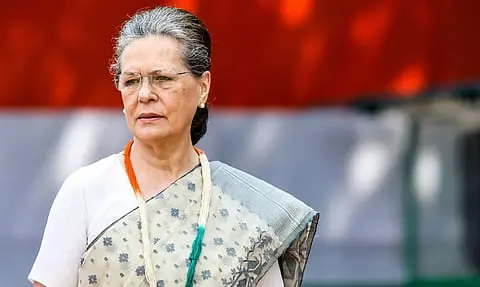
Sonia Gandhi, the former president of the Indian National Congress and a significant figure in Indian politics, remains a pivotal influence within the Congress party and the country’s political landscape. Her leadership and decisions have often sparked discussions around the challenges and opportunities facing the party in the contemporary political climate.
Recent Developments
As of late 2023, Sonia Gandhi has been actively involved in strategising for the upcoming 2024 general elections, aiming to rejuvenate the Congress party’s fortunes amidst growing competition from regional and national parties such as the Bharatiya Janata Party (BJP) and the Aam Aadmi Party (AAP). Following the recent state elections where Congress made significant gains, Sonia has taken steps to augment the party’s organizational structure, focusing on grassroots mobilisation and outreach initiatives.
Challenges Ahead
The Indian National Congress, under her guidance, faces numerous challenges, including internal factionalism and a need to connect with the younger electorate. Sonia has been emphasising unity within the party, and her leadership is seen as crucial in overcoming obstacles in a fast-evolving political environment. The upcoming elections are viewed as a litmus test not only for her substantially laid groundwork but also for the viability of the Congress party as a counter to the ruling government.
Conclusion
Sonia Gandhi’s role is undeniably significant as she navigates the complexities of Indian politics. Given the ongoing shifts in voter sentiment, her strategies and leadership style will likely be instrumental in shaping the Congress party’s future. Observers suggest that the 2024 elections will not just be a battle for power but will also define Sonia’s legacy and the direction of one of India’s oldest political parties. Her ability to adapt to the challenges ahead will be closely watched by supporters and critics alike, making her an enduring figure in the landscape of Indian democracy.
 Yaw Appiah
 Evelyn Mensah
 Kwame Ofori