
Omar Artan, a Somali referee who was prevented from entering the United States to officiate at the World Cup, has been appointed to manage the Uefa Super Cup match. This significant fixture will see Paris St-Germain, the recent Champions League winners, face Aston Villa, who triumphed in the Europa League. The match is scheduled for 12 August in Salzburg.
The decision to appoint Artan was made after discussions between European football’s governing body and the Confederation of African Football (Caf). Uefa president Aleksander Ceferin praised Artan as an experienced referee who has demonstrated his capabilities at the highest level of African football competitions. Ceferin highlighted football’s role in connecting people and expressed Uefa’s respect for Artan’s officiating skills, which had earned him a prestigious nomination.
Artan, who was named the 2025 Caf men’s referee of the year and has been on Fifa‘s international list since 2018, was expected to be the first Somali to referee at the World Cup finals. However, he was denied entry by border officials in Miami, despite possessing a diplomatic passport and a single-entry US visa. A US government official later stated that Artan was not permitted entry due to an alleged “association with suspected members of terror organisations”.
The referee himself told the New York Times that he was questioned by border officials regarding alleged links to the Somali militant group Al Shabab, a group he stated he knew nothing about. Artan maintained that he had the correct documentation and visa, expressing his desire to fulfill his dream of officiating at the World Cup.
Somalia is among several countries on a travel ban list implemented by President Donald Trump. Following discussions with US authorities, Fifa confirmed that Artan would miss the tournament. This incident has drawn considerable attention, particularly given the context of the World Cup being co-hosted in a country where such travel restrictions are in place.
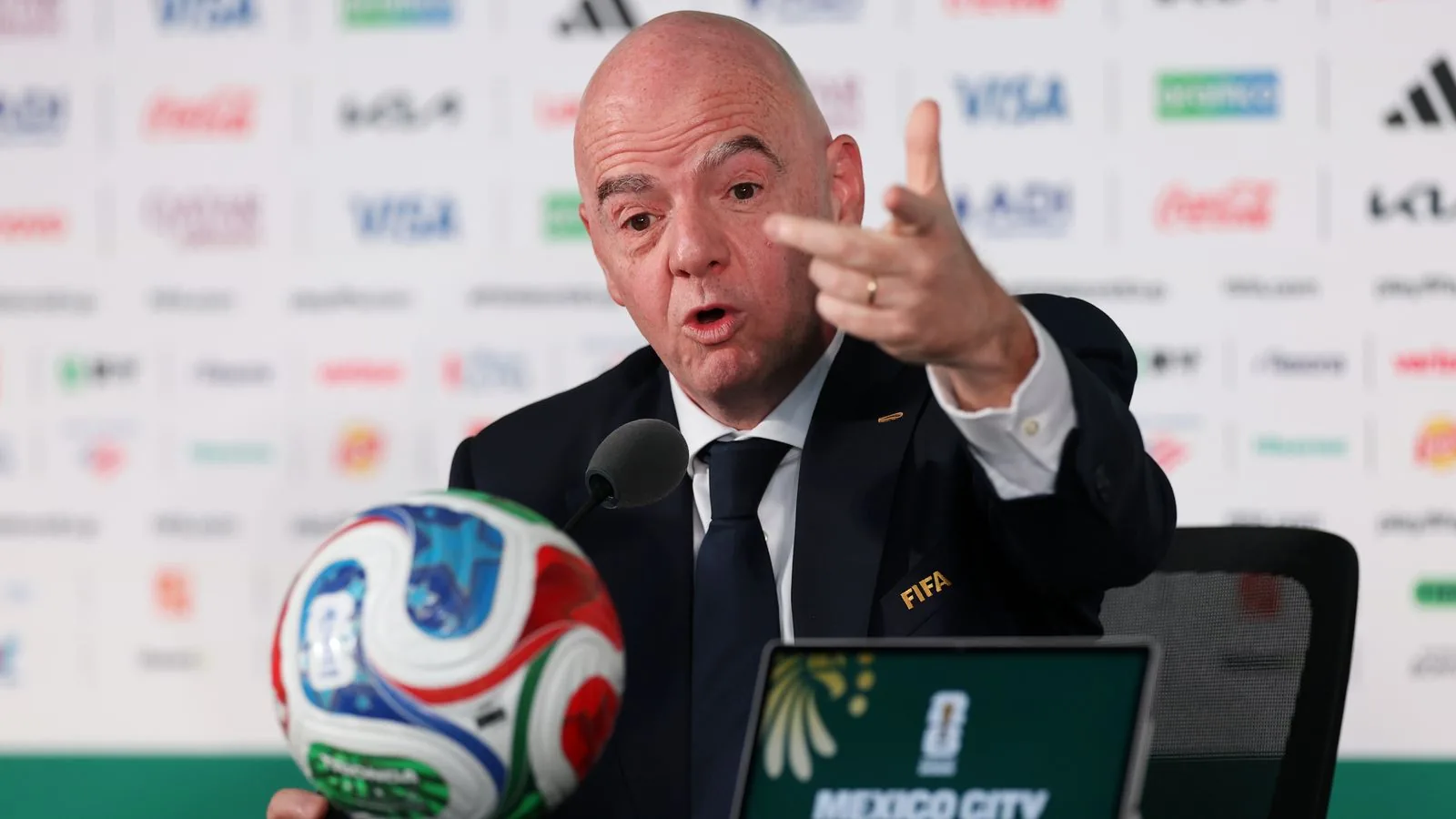
The situation surrounding Artan’s denial of entry has been met with widespread criticism. Fifa president Gianni Infantino addressed the issue during a press conference on the eve of the World Cup, where he defended Fifa‘s position amidst various controversies. Infantino described the situation with Artan as “unfortunate” and acknowledged that Fifa does not control all external factors, including government decisions on entry.
Infantino urged people to “chill and relax” regarding these issues, explaining that Fifa works to find solutions and that sometimes, shouting can be counterproductive. He emphasized that Fifa is a sports organization and not a body that can dictate to governments or police forces. When pressed for clarification on his “chill” comment, Infantino clarified that it meant trusting Fifa to work towards positive solutions, acknowledging that success is not always guaranteed.
The incident involving Artan highlights a broader challenge for Fifa, particularly concerning the balance of power with host nations. Historically, Fifa has leveraged its influence over host countries to ensure smooth operations for its tournaments, as seen with its actions in Brazil in 2014 and Russia in 2018. In 2018, Fifa successfully persuaded Russia to relax its immigration laws to allow visa-free entry for fans and intervened to overturn a ban on a German investigative journalist.
However, the current situation with the United States as a co-host presents a different dynamic. Reports suggest that the US may be the first host country where the traditional power balance has shifted, with Fifa needing the US more than the US needs Fifa, particularly concerning financial aspects. The anticipated economic benefit for the US from the World Cup is reportedly less than 0.1% of its GDP, indicating it is not a significant growth driver.
Conversely, Fifa relies on the revenue streams from the US sporting economy to maintain its growth and support Infantino‘s power base. The expansion of the World Cup to 48 teams means there are fewer countries with the necessary size, means, and infrastructure to host, further increasing Fifa‘s reliance on nations like the US. This perceived power imbalance has led to suggestions that Fifa has had to tolerate certain “indignities and inconveniences.”
The situation has led some to criticize Fifa‘s stance, particularly its continued use of the phrase “football unites the world” while facing challenges such as travel restrictions affecting multiple participating countries. The incident with Artan, alongside other reported travel restrictions impacting delegations from countries like Iraq and Iran, has fueled discussions about the integrity and accessibility of the tournament.
Despite the controversies, Omar Artan will now officiate the Uefa Super Cup match between Paris St-Germain and Aston Villa on 12 August.
Read Also
Source: bbc.com
 Yaw Appiah
 Kwame Ofori
 Evelyn Mensah
 Ama Serwah