
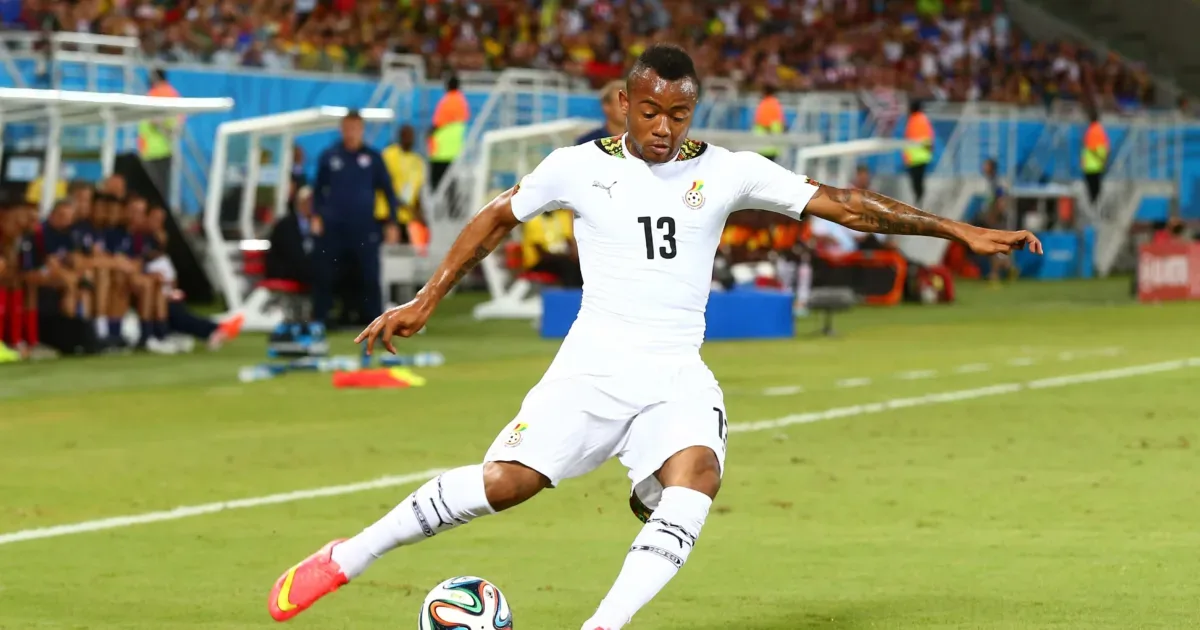
Ghana is preparing for the World Cup 2026 with a new coach and a blend of experienced players and promising young talent. The team, drawn in Group L alongside England, Croatia, and Panama, aims to make an impact in North America, with their best previous performance being a quarter-final finish in 2010.
The appointment of Carlos Queiroz as coach marks a significant change. Queiroz, who has coached at four previous World Cups with Portugal and Iran, describes his current role with Ghana as the most challenging of his career. He has introduced a back-four structure, a departure from the previous coach’s back-three system.
A recent warm-up match against Wales in Cardiff offered insights into Queiroz’s tactical approach. The first half reportedly showed a leaky defense and uncoordinated pressing, reminiscent of past issues. However, the second half saw a more organized mid-block with synchronized pressing and improved protection for full-backs.
Key Players and Emerging Talent
One of Ghana’s main concerns is a perceived lack of goals from their attacking players. While Jordan Ayew contributed to 14 goals during qualifying, he played for Leicester last season. The team is looking to Antoine Semenyo to lead their attack.
Semenyo, born in London, will represent Ghana at the World Cup. Despite a modest international goal tally of three goals in 34 appearances, his recent form positions him as a key offensive threat for the Black Stars.
In midfield, Caleb Yirenkyi is considered a player to watch. He has been compared to Michael Essien due to his tackling, passing range, and ability to drive the ball forward. Yirenkyi, who scored Ghana’s goal, combines athleticism with technical skill and is effective across the pitch. A reported move to Brighton in January did not materialize, but he is expected to attract further interest.
Benjamin Asare has emerged as an unsung hero in goal. After Ghana failed to qualify for the Africa Cup of Nations, Asare became the first goalkeeper from the Ghana Premier League to start a competitive match for the national team since 2015. His quick reflexes, agility, and distribution have contributed to a more stable defense.
Fan Engagement and Historical Context
The Ghana Football Association initiated a campaign in 2019 to ‘bring back the love’ and rebuild the bond between the country and its national team. This effort followed a period marked by corruption allegations and mismanagement within Ghanaian football, as explained by fan Ernest Addo from Accra.
Football holds significant cultural importance in Ghana, serving as a unifying force in a diverse nation. From 2006 to 2015, the national team had a strong presence on the world stage, reaching the quarter-finals of the World Cup in 2010 and the semi-finals of the Africa Cup of Nations in 2008.However, the team has faced challenges in recent years, including group stage exits in the 2021 and 2023 AFCONs and failure to qualify for the most recent edition. Despite these setbacks, fans like Kwadwo Hemeng express a mix of indifference and optimism, noting that supporters are still ready to back the team with new jerseys for the upcoming matches.
The Ghana Supporters Union is known for its vibrant presence and energetic atmosphere at games. Despite restrictions on musical instruments inside stadiums, the union is expected to bring their unique ‘jama’ music, a rhythmic and chant-like style, to the tournament. The Ghanaian government is reportedly funding thousands of supporters to travel, raising over $3 million for this purpose.
Ghana’s schedule for Group L includes matches against Panama in Toronto on June 17, England in Foxborough on June 23, and Croatia in Philadelphia on June 27.
Read Also
Source: theguardian.com
 Yaw Appiah
 Kwame Ofori
 Ama Serwah
 Evelyn Mensah