
Introduction
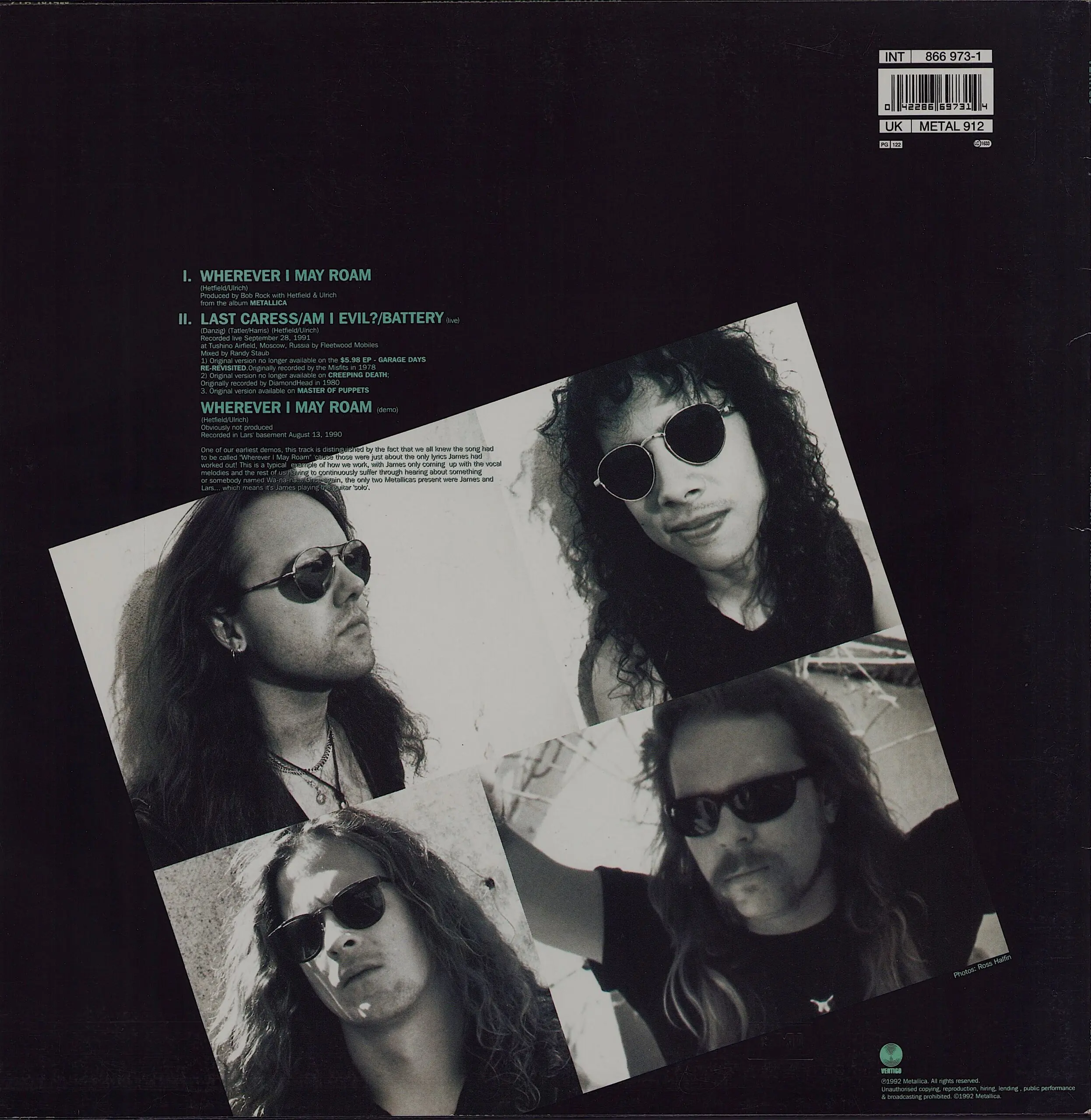
Metallica, one of the most influential heavy metal bands in history, has significantly shaped the landscape of music since their formation in 1981. Known for their distinctive sound, powerful lyrics, and electrifying performances, they have amassed a dedicated fan base worldwide. Their impact transcends music, influencing culture, fashion, and even social movements. As they continue to tour and release new music, understanding their journey becomes increasingly relevant for both fans and newcomers to the genre.
Formation and Rise to Fame
Founded in Los Angeles by drummer Lars Ulrich and guitarist James Hetfield, Metallica quickly gained traction in the early 1980s with their debut album, Kill ‘Em All. The band’s raw energy, combined with complex compositions, introduced a new level of musical sophistication to heavy metal. Their following albums, including Ride the Lightning and Master of Puppets, solidified their status as pioneers within the genre, showcasing intricate guitar solos and thought-provoking lyrics.
Commercial Success and Cultural Impact
Metallica achieved mainstream success in the early 1990s with their self-titled album, commonly known as The Black Album, which featured hit singles like ‘Enter Sandman’ and ‘The Unforgiven.’ This album catapulted them to international fame, selling over 16 million copies in the U.S. alone. Their music resonated not just with metal fans but also captured the attention of the broader rock audience, which helped to break down genre barriers.
Recent Developments and Future Prospects
As of October 2023, Metallica is actively touring in support of their latest album, 72 Seasons, released in April. The band has embraced modern streaming platforms, allowing them to reach an even wider audience while maintaining their classic sound. They have also launched initiatives to tackle social issues, including campaigns for climate change and mental health awareness, further emphasizing their role as cultural icons.
Conclusion
The significance of Metallica in both the music industry and wider culture cannot be overstated. As they continue to evolve, their commitment to artistry and social responsibility remains evident. Future generations will likely see Metallica not only as a music group but as a lasting symbol of resilience, creativity, and social change. For fans, both old and new, Metallica represents the ongoing evolution of rock and metal music, making their journey a lively topic for exploration.
 Ama Serwah
 Kwame Ofori
 Evelyn Mensah