
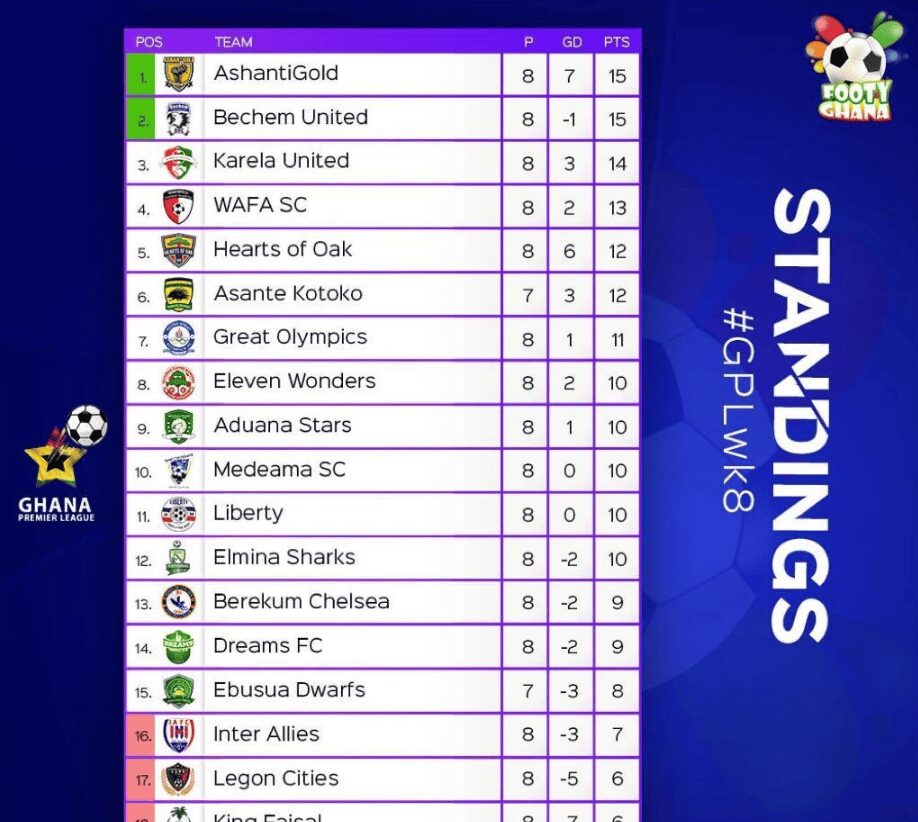
Football followers in Ghana often check the GPL table. It helps to understand how clubs are performing across the season. The table gives a clear view of points, position, goals, and movement. It should not be read without context. A club may sit high because of a strong start. Another may be lower because it has played tougher opponents. The Ghana Premier League table becomes more useful when it is compared with fixtures, recent results, and home or away records. For readers who follow the league closely, the best approach is to study several signals before forming an opinion.
How the Ghana Premier League table shapes weekly football context
Recent form becomes clearer when readers compare matchweek results with the current standings. A club near the top may still struggle away from home, while a lower-ranked side may be difficult to beat on its own ground. This is why position should never be judged alone. The Ghana Premier League often rewards consistency. One strong result should not erase weeks of weak finishing or defensive mistakes. For supporters and analysts, the table is only one part of the wider football picture.
What each club position means before matchday analysis
League position can show momentum, pressure, or danger. The GPL table needs context before any strong conclusion. A top-half club may have had an easier run of fixtures. A lower club may have already faced several strong opponents. That difference can change how the ranking should be read. The GPL standings also matter when clubs are separated by goal difference or games played. Readers should check whether the ranking reflects real strength or only a short run of favourable results.
Why points, goals, and form need separate reading
A smart reader does not judge the GH Premier League Table only by points. Goal difference can reveal whether a club is winning narrowly or controlling matches with more comfort. Recent form then helps show whether the team is improving, fading, or simply having mixed results. The Ghana Premier League table becomes more reliable when points, goals, and form are checked together. This approach gives a calmer view than reacting to one dramatic scoreline.
Reading Ghana Premier League standings with table signals
The Ghana league table gives a wider picture when readers look beyond first place and relegation spots. Some clubs collect points steadily without scoring many goals, and that can affect how their matches are understood. Others may score often but still concede too much to control games properly. The Ghana Premier League standings also show whether teams are separated by a real gap or only by one result. This is why table reading should feel practical, not emotional.
How home and away records change football expectations
Local conditions, travel, crowd pressure, and pitch familiarity can influence how a club performs. A team that looks average in the GPL league table may still be strong at home. Away records are especially useful when a side sits high but rarely controls matches outside its base. That difference can make the headline ranking less clear than it first appears. For football analysis, home and away balance often says more than a simple league position.
| Signal | What to check | Why it matters | Context note |
| Home form | Wins, draws, goals | Shows comfort in familiar setting | Can be overvalued |
| Away form | Losses and clean sheets | Tests consistency | Travel can affect rhythm |
| Scoring trend | Goals over recent games | Shows attacking rhythm | One heavy win can distort |
| Conceding trend | Late goals and errors | Shows match control | Weak defence raises concern |
When recent form matters more than full-season ranking


Short-term form can expose changes that the Ghana Premier League table has not fully reflected yet. A club may sit high because of early wins but enter matches with injuries, poor finishing, or low confidence. Another side may be lower yet improving through tighter defending and better chance creation. The Ghana league table should therefore be read with current rhythm in mind. This helps readers avoid overrating old results.
Using GPL fixtures and Ghana Premier League fixtures before matchday
Fixture timing can change the way a match should be viewed, especially when teams face travel, cup games, or short rest. Readers who study GPL fixtures can better understand why a strong team may look less reliable than the table suggests. A difficult schedule may also affect second-half performance, especially for squads with limited depth. The Ghana Premier League fixtures help show whether a club is entering a tough run or a more manageable set of matches. This matters for anyone trying to understand weekly league movement.
Checking kick-off timing, venue, and fixture congestion
A fixture check should happen before judging a match, because the table alone may hide schedule pressure. The GPL fixtures can show whether a club is facing back-to-back away matches or a demanding run.
- Confirmed match venue: Check where and when the match will be played to avoid relying on outdated information.
- Rest days between clubs: Compare how much recovery time each team had before the match.
- Recent goals scored and conceded: Review attacking and defensive form from the latest matches.
- Injuries and squad news: Check whether key players are missing or whether team updates may affect performance.
- Match context and personal limits: Compare the available information calmly and avoid making rushed conclusions based on emotion.
This routine keeps the Ghana Premier League fixtures useful without turning them into a guarantee of what will happen. A fixture list supports better judgement, but it cannot remove uncertainty from football.
How postponed matches can distort table pressure
Postponed games can make the GPL table look cleaner than it really is. A club with games in hand may sit lower while still having a realistic route upward. Another side may appear safe because it has played more matches than nearby rivals. The Ghana Premier League standings need this adjustment before anyone reads pressure too quickly. In close sections of the table, one delayed fixture can change the mood around several teams.
Comparing GPL table movement with home, away, and form details
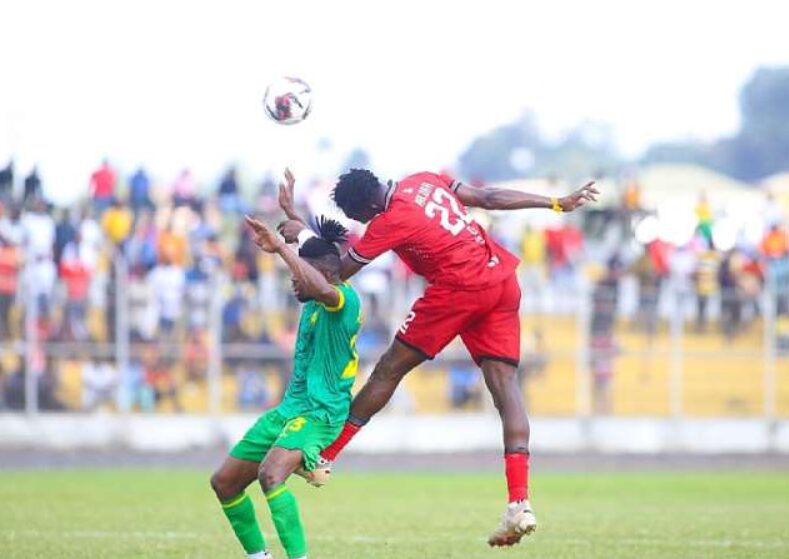
Movement on the GPL table can happen quickly when clubs are close on points. One win may lift a side several places. One defeat can pull another team into danger. That kind of movement can create strong reactions among supporters. The Ghana Premier League is better understood through patterns rather than isolated results. Readers should avoid reacting too strongly to a single table change.
Spotting momentum and relegation pressure early
Momentum is easier to read when several clues point in the same direction. A club climbing the GPL table may still have weak away numbers, while a struggling team may be improving defensively.
- Recent points gained: Compare recent results instead of judging a team only by its current ranking.
- Matches played count: Check whether the team has played more or fewer games than nearby clubs.
- Late match events: Look for goals, red cards, or defensive mistakes that may show pressure, discipline issues, or weak game management.
- Wins against weaker sides: Review whether impressive results came against teams with lower form or weaker records.
- Public recent reactions: Treat popular opinions carefully when they are based only on one recent result.
These checks make the Ghana Premier League table more useful for real football analysis. The aim is not to guess every result, but to avoid reading the standings too narrowly.
Reading goal trends without overrating one strong result
Goal trends should be studied over several matches before a reader trusts them. A heavy win can make the GPL table look exciting, but it may not show repeatable attacking strength. The opponent’s level, red cards, and match situation can all affect the final score. The Ghana Premier League standings become more reliable when goals scored, goals conceded, and opponent quality are compared together. A careful approach is better than chasing one impressive result.
| Pros | Cons |
| Table movement helps readers notice form shifts, pressure changes, and teams rising before wider attention follows. | A table can mislead readers when teams have uneven fixtures, missing players, or postponed matches still waiting. |
| Standings support clearer comparison between clubs when points, goal difference, and games played are read together. | Strong recent movement may create emotional conclusions when the underlying performance is still unstable. |
| Home and away splits can reveal whether a team’s position is built on balanced quality or narrow local advantage. |
FAQ about table updates and league context
How often should readers check the table?
Readers should check the table after completed match rounds and before reviewing upcoming fixtures. Standings can change after confirmed results, postponed matches, or corrections to match records. A fresh check helps avoid decisions based on outdated information.
Why can league positions change after fixtures?
League positions can change when teams win, draw, or lose in the same round. Goal difference may also affect ranking when clubs have the same number of points. This is why one matchday can quickly change the pressure around several teams.
Is the table enough for match analysis?
The table is useful, but it should not be the only source for football analysis. It does not fully show injuries, travel, team morale, or tactical changes. Better analysis comes from comparing standings with form, fixtures, and recent performances.
What should readers check before trusting the standings?
Readers should check whether all teams have played the same number of matches. They should also review recent results, home and away form, and any postponed fixtures. This gives a clearer picture than looking only at rank and points.
 Ama Serwah
 Yaw Appiah
 Kwame Ofori
 Evelyn Mensah