
Longevity in Modern Football
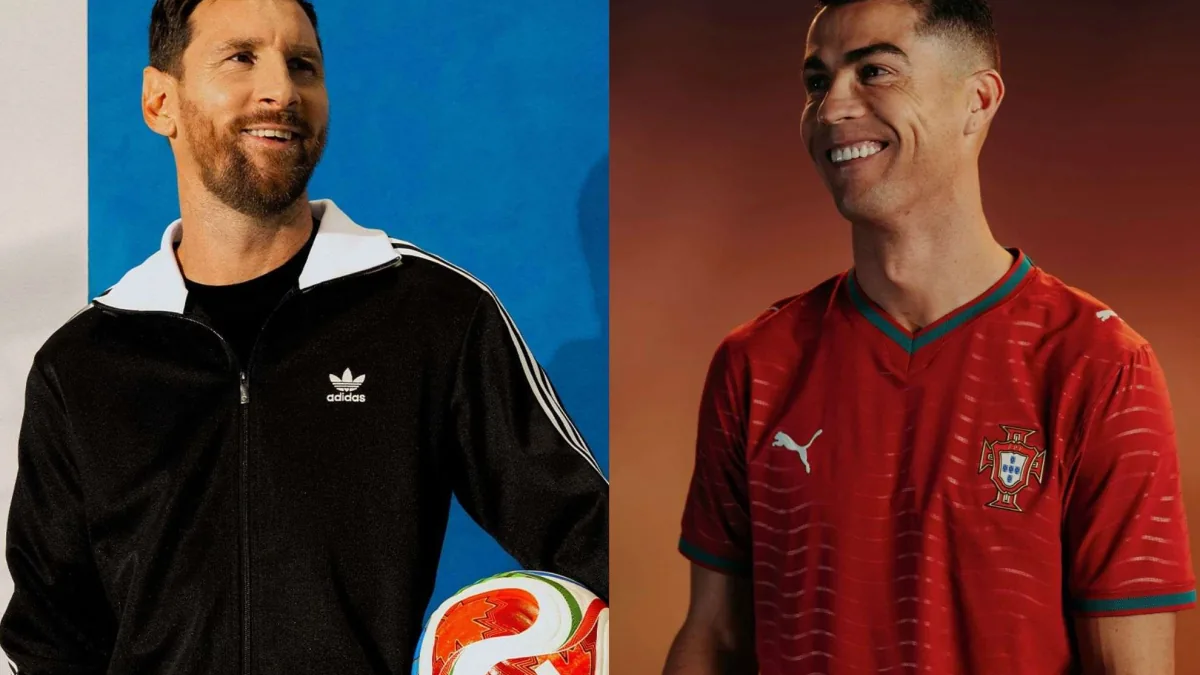
Professional football has seen a notable shift in player longevity, with athletes now extending their careers well beyond the traditional mid-30s retirement age. This trend is highlighted by global figures such as Cristiano Ronaldo and Lionel Messi, who are preparing for what could be their sixth World Cup appearances. Alongside other experienced players like Manuel Neuer, Luka Modrić, Guillermo Ochoa, and Edin Džeko, these athletes are demonstrating that elite careers can continue longer than previously thought possible.
Ronaldo, at 41, and Messi, who will be 39 during the upcoming tournament, remain prominent figures in the sport. Their sustained presence is particularly remarkable considering that many younger players in the tournament were not yet born when these two legends made their World Cup debuts in 2006.
Factors Contributing to Extended Careers
The ability of these veteran players to maintain high performance levels is attributed to significant advancements in sports science and player development. According to sports medicine expert Professor Hans-Georg Predel, today’s older stars often appear biologically younger than their chronological age. Improvements in nutrition, recovery methods, and individualized training programmes have been crucial in extending career longevity.
Former German national team coach Joachim Löw has acknowledged the extraordinary impact of Messi and Ronaldo on football over the past two to three decades, noting their numerous titles and achievements. While recognizing that these superstars may not be at their physical peak, their continued effectiveness underscores the evolution of elite football.
The professionalisation of the sport has also played a key role. Modern football academies now educate young players on nutrition, recovery, and injury prevention from an early age, habits that can add years to a player’s career. Despite these advancements, longtime German national team doctor Tim Meyer points out that age still presents challenges, with older athletes facing increased risks of overuse injuries due to accumulated wear and tear on joints, tendons, and ligaments. Predel also notes a natural decline in sprint speed, explosiveness, and recovery around the age of 30.
Experience and football intelligence have become increasingly valuable. Veteran players often compensate for any physical decline through superior positioning, anticipation, technical quality, and decision-making. The environments in which some of these stars currently play also contribute to their extended careers. Messi plays for Inter Miami in Major League Soccer, and Ronaldo is with Al Nassr in Saudi Arabia. These leagues, while competitive, generally impose less physical strain compared to Europe’s top competitions.
Older Players in World Cup History
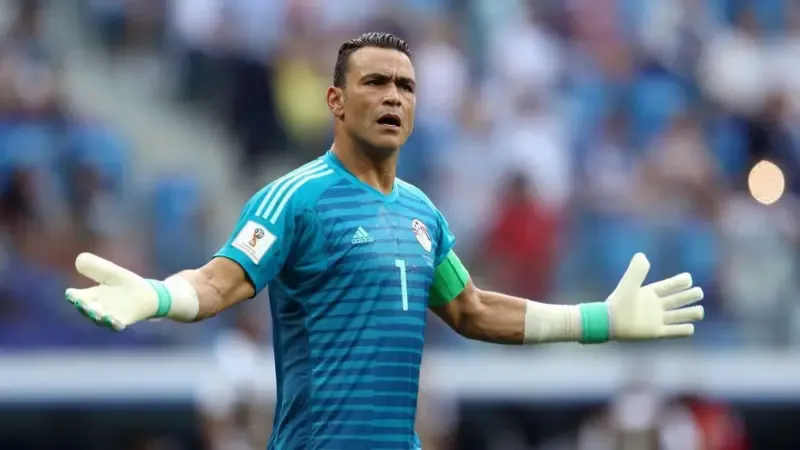
Historically, only seven players aged 40 or above have participated in the men’s World Cup since its inception 96 years ago. The record for the oldest player to feature in a World Cup match is held by former Egypt goalkeeper Essam El Hadary, who was 45 years and 161 days old when he played in the 2018 World Cup match where Egypt lost 2-1 to Saudi Arabia. This record surpasses the previous one by more than two years.
Several players could potentially join this exclusive group in the upcoming tournament. Scotland goalkeeper Craig Gordon, aged 43, is the oldest player named in a full squad for this year. If he features, the Hearts stopper would become the second-oldest player in World Cup history. Portugal captain Cristiano Ronaldo, at 41, could also join the ranks of players aged 41 or above if he plays in his sixth World Cup. Only El Hadary, Faryd Mondragon, Roger Milla, and Pat Jennings have played at least one World Cup match at that age.
Other experienced players who are 40 years old and likely to participate in the World Cup include Bosnia and Herzegovina striker Edin Dzeko, Germany goalkeeper Manuel Neuer, and Croatia midfielder Luka Modric. Cape Verde goalkeeper Vozinha will also turn 40 before his nation’s first-ever World Cup match, potentially ranking him among the competition’s oldest players if he plays. Japan defender Yuto Nagatomo, aged 39, is also among the oldest players who could feature in the 2026 tournament.
The top 10 oldest players in World Cup history are:
- Essam El Hadary – Egypt vs Saudi Arabia (25 June, 2018) – 45 years, 161 days
- Faryd Mondragon – Colombia vs Japan (24 June, 2014) – 43 years, 3 days
- Roger Milla – Cameroon vs Russia (28 June, 1994) – 42 years, 39 days
- Pat Jennings – Northern Ireland vs Brazil (12 June, 1986) – 41 years, 0 days
- Peter Shilton – England vs Italy (7 July, 1990) – 40 years, 292 days
- Dino Zoff – Italy vs Germany (11 July, 1982) – 40 years, 133 days
- Ali Boumnijel – Tunisia vs Ukraine (23 June, 2006) – 40 years, 71 days
- Jim Leighton – Scotland vs Morocco (23 June, 1998) – 39 years, 334 days
- David James – England vs Germany (27 June, 2010) – 39 years, 330 days
- Atiba Hutchinson – Canada vs Morocco (1 December, 2022) – 39 years, 296 days
 Ama Serwah
 Yaw Appiah
 Kwame Ofori
 Evelyn Mensah