
Introduction
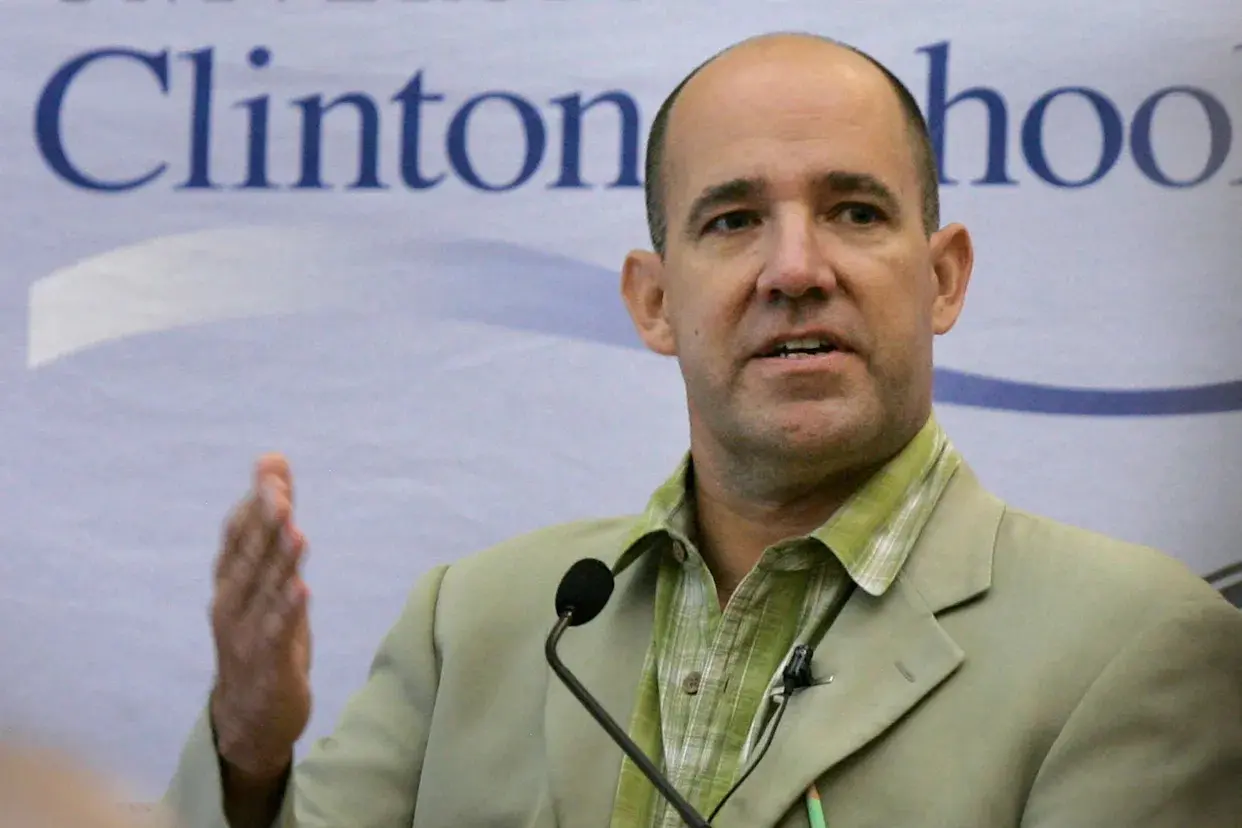
Matthew Dowd, a prominent political strategist and commentator, has played a pivotal role in shaping political discourse in the United States. As a former chief strategist for President George W. Bush’s re-election campaign in 2004, Dowd gained notoriety for his innovative strategies and keen insights into voter behavior. In a time when political divisiveness seems to be at an all-time high, understanding Dowd’s perspectives on contemporary issues is crucial for voters, policymakers, and analysts alike.
The Current Political Landscape
As of late 2023, Dowd has become increasingly vocal on various platforms about the state of American politics. In recent statements, he has emphasised the need for unity and bipartisanship among the political elite. He argues that the polarization witnessed in recent years has left many Americans feeling disenfranchised and disillusioned. Dowd’s analysis often points to social media’s role in amplifying extreme views, which he believes hinders constructive dialogue.
In addition to political engagement, Dowd has focused on the implications of the Supreme Court’s decisions on social issues, gun control, and voting rights. His commentary extends to the importance of these issues for both the Democratic and Republican parties, suggesting that neglecting the voice of the average citizen could have dire consequences in future elections.
The Role of Technology and Media
Dowd has also highlighted the impact of technology on politics. He argues that the 24-hour news cycle and social media have drastically changed how candidates run for office and how voters consume information. During a recent interview, he shared that these technologies have blurred the lines between news, opinion, and misinformation, making it imperative for voters to critically evaluate sources. He advocates for media literacy as an essential skill in today’s information-driven age.
Conclusion
Matthew Dowd’s insights serve as a reminder of the complexities of modern politics. His advocacy for a united front among Americans, regardless of party affiliation, resonates with many seeking change in a fractious environment. As the United States heads towards the 2024 presidential election, Dowd’s perspectives will likely continue to influence the political conversation, fostering critical engagement among citizens. For readers, staying informed about thought leaders like Dowd could provide valuable context in assessing the nation’s future direction.
 Yaw Appiah
 Evelyn Mensah
 Kwame Ofori