
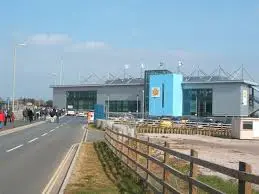
Introduction to Sandy Park
Sandy Park, located in Exeter, Devon, is not just a rugby stadium; it is a hub of community and sporting excellence. As the home ground of the Exeter Chiefs, this venue plays a pivotal role in both the professional rugby landscape and the local community. With a seating capacity of over 12,000, Sandy Park has hosted numerous high-profile matches and events, making it a significant landmark in the region.
The Role of Sandy Park in Rugby
Sandy Park was officially opened in 2006 and has since established itself as a fortress for the Exeter Chiefs in the Gallagher Premiership. The Chiefs, who have risen to prominence in recent years, secured their first Premiership title in 2017 and have consistently been contenders for the championship since. The stadium not only serves as a venue for thrilling matches but also as a gathering place for fans, fostering a deep sense of community among supporters.
In addition to hosting club matches, Sandy Park has welcomed international fixtures, including matches during the Six Nations and other elite tournaments. This has further elevated its status within the rugby world, contributing to its reputation as one of the premier rugby venues in the UK.
Community Engagement and Development
Beyond rugby, Sandy Park is dedicated to community engagement. The stadium frequently hosts local events, conferences, and corporate functions, showcasing its versatility and commitment to serving the wider area. The Chiefs’ Community Foundation is actively involved in various initiatives aimed at promoting health, education, and well-being in local schools and clubs.
Moreover, Sandy Park has invested in several grassroots rugby initiatives, aiming to inspire young athletes and encourage the next generation to engage with the sport. By providing access to coaching, training sessions, and opportunities to watch live matches, the stadium has become a vital resource for budding rugby players in the southwestern region.
Future Prospects for Sandy Park
Looking ahead, there are exciting developments planned for Sandy Park. With ongoing discussions about expansion and improvements, the venue aims to enhance the spectator experience, focusing on amenities and technology. As the Chiefs continue to perform at a high level, Sandy Park is set to grow alongside them, further cementing its status as a key player in the rugby landscape.
Conclusion
Sandy Park is more than just a rugby stadium; it is a beacon of culture and sport in Exeter. Its significance extends beyond the boundaries of the pitch, encompassing community spirit, engagement, and development. As the Exeter Chiefs strive for excellence on the field, Sandy Park will remain a vital part of their journey, continuing to bring rugby to life for fans and aspiring players alike.
 Ama Serwah
 Yaw Appiah
 Evelyn Mensah
 Kwame Ofori