
For Ghana users, currency conversion affects school fees, import payments, travel cash, online transfers, and business invoices. A buyer may see one quote at a bank and another at a bureau. So, exchange rate for today in Ghana should be checked with fees, spread, and final payout in mind. GHS values can move within the day, and a confirmed quote matters more than a quick screenshot. The safest habit is to compare the amount received, not only the number displayed. That approach helps users avoid confusion between public figures and real transaction pricing.
Bank and market quotes for Ghana users
Users often compare official market information with retail pricing before converting money. The bank of Ghana exchange rate helps show wider FX direction, while commercial bank quotes show what customers may face in real transactions. A bank can show buying, selling, and mid figures, but the final amount may still depend on product type and value. The exchange rate for today should be treated as a working guide, not a fixed promise. This is useful for households, importers, travellers, and businesses preparing payments.
Daily buying, selling and mid rates explained simply
Buying rate shows what a provider may pay when it receives foreign currency. Selling rate shows what a customer may pay when buying that currency. Mid rate sits between the two and is usually a reference point. A user checking an exchange rate should know which side of the quote applies. The wrong side can change the expected GHS result.
| Currency pair | Buying rate | Selling rate | Mid rate | User meaning |
| USD/GHS | Provider buys USD | Provider sells USD | Reference middle | Common transfer guide |
| GBP/GHS | Provider buys GBP | Provider sells GBP | Reference middle | Useful for UK payments |
| EUR/GHS | Provider buys EUR | Provider sells EUR | Reference middle | Travel and invoice use |
| CAD/GHS | Provider buys CAD | Provider sells CAD | Reference middle | School or family payments |
| ZAR/GHS | Provider buys ZAR | Provider sells ZAR | Reference middle | Regional comparison |
Why public rates differ from retail quotes
Retail pricing often includes spread, product handling, branch rules, or provider margin. A public market figure may not match the quote used for cash, card settlement, or transfer. That difference is normal in FX markets. Users should ask for the exact amount they will receive before approving a transaction. A small spread can matter when the value is large.
Today’s cedi checks for transfers and payments
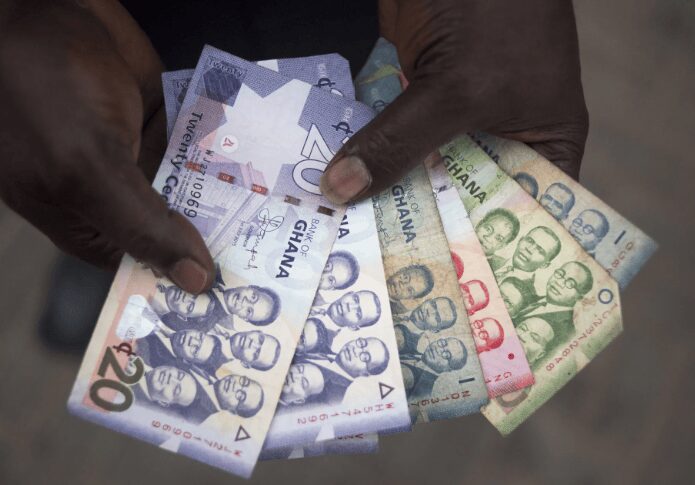
A fast answer is useful, but speed should not replace accuracy. A transfer provider, commercial bank, and bureau may not show the same value for the same pair. For Ghana cedi users, exchange rate today becomes practical only when the quote is checked with timing, provider fees, and final payout. Rates can change during business hours, so the amount received matters more than the headline number. This is especially important for tuition, imports, remittances, and travel cash.
Common currency pairs used in Ghana
USD, GBP, EUR, CAD, and regional currencies are often checked for trade, travel, study abroad, and family transfers. A quote may look simple at first, but current exchange rate in Ghana should always be read with the transaction type in mind. A user should check whether the rate applies to cash, transfer, or card settlement. Each product can carry a different spread. The final quote should be confirmed before payment.
Remittance and travel payment checks
A provider’s quote can look clear at first, but the same pair may still produce different final amounts. The visible rate is only one part of the transaction, especially when currency exchange rates are compared across banks, bureaus, and transfer services. Fees, delivery method, and timing can change the outcome.
- Provider: Check whether the quote comes from a bank, bureau, app, or transfer service.
- Fee: Confirm if charges are included or added after conversion.
- Amount: Ask whether larger values receive different pricing.
- Timing: Check whether the rate can change before completion.
- Receipt: Keep proof showing rate, amount, and charges.
These checks make the exchange decision clearer. A strong headline quote is less useful if the final payout is lower than expected.
Official reference and Interbank market use
Official references can help users understand wider FX direction before comparing retail quotes. A branch or counter may still give a different final amount, even when bank of Ghana exchange rate today is used as a guide. Commercial rates can include margins, cash handling, and product differences. Importers, travellers, and families should treat official figures as a comparison point. Retail confirmation is still needed before action.
Interbank data compared with bank customer quotes
Wider market activity between financial institutions can explain why retail quotes move during the day. For ordinary users, the Interbank exchange rate is mainly a reference point, while banks and bureaus may still price cash differently from electronic transfers. Transfer providers may also apply their own margins. Comparing sources helps reveal the real cost of conversion. The final customer quote remains the most important number.
Cash exchange and bureau comparison in Ghana
Walk-in cash exchanges are common in Ghana, so many users compare bureau quotes before making a payment. The displayed number may look simple, but Forex bureau rates should always be checked against the spread between buying and selling. Customers should compare more than one counter when the amount is meaningful. Identification rules and receipts also matter. A careful check reduces disputes after payment.
Bank rates versus walk-in bureau quotes
Bureaus may be faster for cash, while banks can suit account-based transfers. The better choice depends on amount, convenience, spread, and documentation. A bureau quote can change by location or available cash. A bank quote may differ between cash and electronic channels. Users should compare the final figure, not only the signboard.
Cash exchange steps before payment
A cash transaction should be checked before money changes hands. The user should confirm the rate, charges, amount received, and receipt details. This is especially important for larger GHS conversions.
- Rate: Ask whether the displayed figure is buying or selling.
- Spread: Compare the gap between the two sides of the quote.
- Charges: Confirm if any fee applies before calculation.
- Count: Recheck the cash before leaving the counter.
- Receipt: Keep proof with rate, amount, and provider name.
The final payout matters more than the advertised figure. Once the user accepts cash and leaves, correction can become harder.
Pros, limits and safer comparison habits
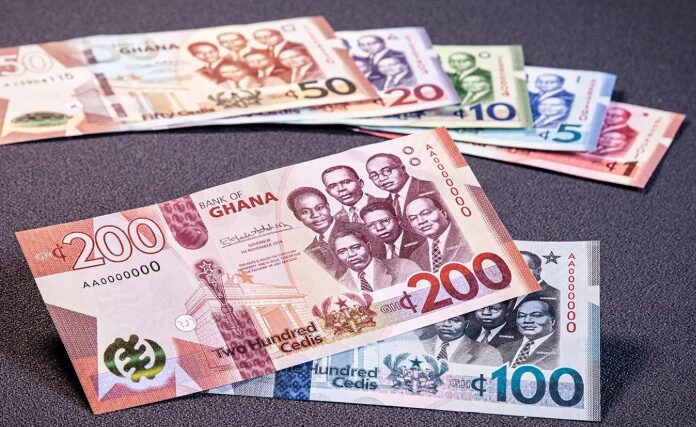
Today’s quote is useful when it supports planning, not guessing. Businesses can estimate invoices, households can prepare transfers, and travellers can budget cash. The limit is that a displayed number may change before the transaction is completed. A user checking an exchange rate should compare timing, provider, spread, and fee. Better habits reduce surprises.
When today’s quote helps budgets and transfers
A working estimate can support payments and personal planning. It can help a shop price imports or a family prepare a remittance. It also helps users decide whether to exchange now or wait for confirmation. The exchange rate for today should still be checked again at payment time. A planned figure is helpful, but the final quote controls the transaction.
| Pros | Cons |
| It helps households estimate school fees, travel cash, remittances, and invoice payments before visiting a provider. | A displayed quote may be indicative and can change before the transaction is finally approved. |
| It allows businesses to compare banks, bureaus, and transfer services before choosing a payment route. | Headline rates can mislead users when fees, spread, or product rules are not included. |
| It gives a quick market sense before larger GHS conversions are discussed. |
FAQ on today’s FX checks in Ghana
How often can today’s quote change in Ghana?
A quote can change during the day when market conditions or provider pricing updates. Some sources publish reference rates, while retail providers may adjust more often. Users should confirm the final quote before approving payment.
Which source is safer for checking the cedi rate?
Official sources help users understand the market reference. Banks, bureaus, and transfer platforms show what customers may actually receive. The safer approach is to compare both reference data and final provider quotes.
Why do banks and bureaus show different numbers?
They may serve different transaction types and include different spreads. Cash, account transfer, and remittance pricing can vary. That is why the final payout matters more than the displayed headline rate.
What should users confirm before exchanging large amounts?
They should confirm rate side, fee, spread, identification rules, and receipt details. The user should also ask whether the quote will hold until payment is completed. For larger amounts, comparing at least two providers is sensible.
 Kwame Ofori
 Ama Serwah
 Yaw Appiah