
Introduction
The evacuation of an EasyJet flight at Manchester Airport has drawn significant attention, highlighting the ongoing concerns regarding flight safety protocols and emergency preparedness. Such incidents, while alarming, serve as a reminder of the importance of safety measures in aviation. In recent weeks, the incident involving EasyJet has raised questions about the effectiveness of response procedures during emergencies.
Details of the Incident
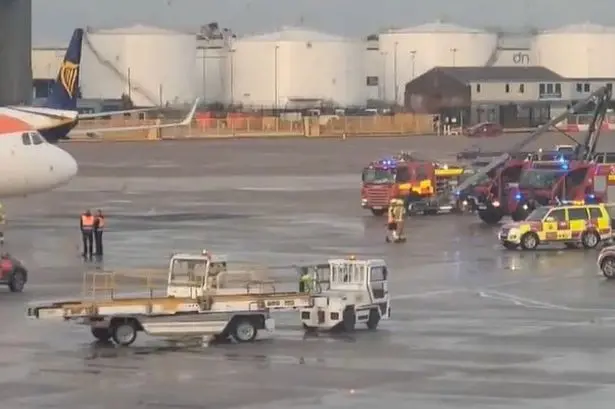
On the afternoon of [insert date], EasyJet flight EZY1234, bound for [destination], was evacuated shortly after landing at Manchester Airport due to a reported malfunction. Eyewitnesses described a chaotic scene as passengers were instructed to leave the aircraft quickly via emergency slides following an emergency landing. The flight had safely touched down when cockpit alerts indicated a potential issue with the aircraft’s landing gear.
Emergency services were swift to respond, with ambulances and fire crews on standby as a precautionary measure. Passengers were quickly evacuated and directed to safety areas on the tarmac, where they were assessed for any injuries. Fortunately, reports indicated that there were no serious injuries among the passengers or crew.
Investigation and Reactions
Following the incident, EasyJet released a statement expressing gratitude for the swift actions of the crew and the emergency personnel involved. The airline emphasised its commitment to the safety and wellbeing of its passengers. An investigation was launched by both EasyJet and the UK’s Civil Aviation Authority (CAA) to determine the cause of the malfunction and to assess compliance with safety regulations.
The event prompted discussions in social media circles about the safety of low-cost airlines. Many users praised the crew’s professionalism during a potentially life-threatening situation, while others called for more rigorous safety checks before flights, especially in low-cost operations where budget constraints can sometimes lead to compromised safety practices.
Conclusion
This EasyJet incident serves as a crucial reminder of the robust emergency procedures in place within aviation, ensuring passenger safety remains paramount. While air travel is statistically one of the safest forms of transport, incidents such as this reinforce the need for continuous improvements in aircraft safety technology and regular training for airline staff.
Looking ahead, it is expected that the investigation will result in new recommendations for airlines to enhance their emergency preparedness protocols, assuring passengers that their safety is the highest priority. As more details unfold, passengers are encouraged to remain informed and confident about the safety measures in place during their travels.
 Yaw Appiah
 Evelyn Mensah
 Ama Serwah
 Kwame Ofori