
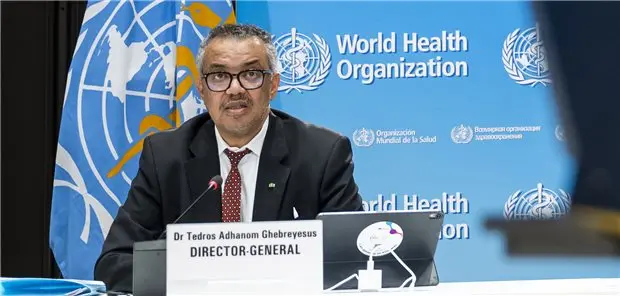
Introduction: The Significance of the WHO
The World Health Organization (WHO) plays a crucial role in coordinating international health efforts and responding to health emergencies. Founded in 1948, the WHO aims to promote health, keep the world safe, and serve vulnerable populations. As the global community continues to face challenges such as pandemics, climate change, and health inequalities, the relevance of the WHO’s work has never been clearer.
Recent Developments and Initiatives
In recent months, the WHO has been actively involved in managing the global response to the COVID-19 pandemic. The organisation has rolled out initiatives to ensure equitable access to vaccines through the COVAX facility, which aims to deliver vaccines to low- and middle-income countries. According to WHO data, as of October 2023, over 1.5 billion vaccine doses have been distributed worldwide under this scheme.
Moreover, the WHO has launched a new campaign targeting mental health, addressing the unprecedented levels of anxiety and depression reported during the pandemic. This campaign includes resources for mental health support and aims to reduce the stigma associated with mental health disorders.
Collaborations and Global Health Strategies
The WHO collaborates with various nations and organizations to establish global health strategies. Recently, it partnered with the United Nations to address the growing threat of antimicrobial resistance, which poses a significant risk to public health globally. Their joint strategy includes guidelines on responsible antibiotic use and increased funding for research into new treatments.
Additionally, the WHO is focusing on climate change’s impact on health. As extreme weather events increase and air quality worsens, the organisation is working to integrate climate considerations into health policy and planning.
Conclusion: The Future of Global Health and WHO’s Impact
The role of the World Health Organization remains vital as it navigates a complex landscape of health challenges affecting populations worldwide. The ongoing pandemic response, mental health initiatives, and strategic collaborations highlight the organisation’s commitment to improving global health outcomes. As the WHO continues to adapt and evolve, its influence on the future of public health is paramount. With increasing support from member states and stakeholders, the WHO is poised to become an even more central figure in promoting a healthier world for all.
 Ama Serwah
 Evelyn Mensah
 Kwame Ofori