
Introduction
Chemical castration has gained significant attention in recent years, particularly in discussions around crime prevention, rehabilitation, and treatment of certain medical conditions. This medical procedure, designed to reduce libido and sexual activity, provides a controversial yet effective option for managing behaviours linked to sexual offences and hormone-related disorders. As society grapples with the implications of this method, the relevance of understanding chemical castration continues to grow.
What is Chemical Castration?
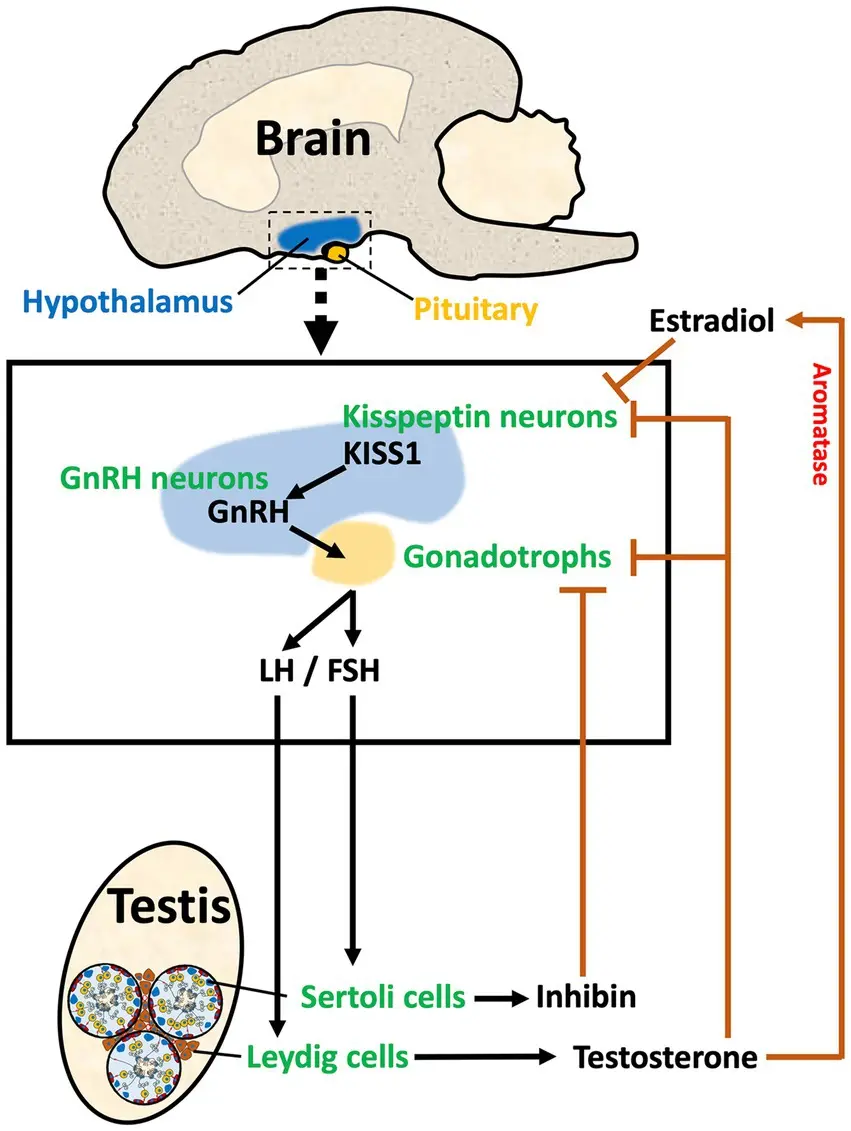
Chemical castration involves administering medications that lower testosterone levels, leading to a decrease in sexual urges. Unlike surgical castration, which is irreversible, chemical castration can be reversed if treatment is halted. Common medications used for this purpose include anti-androgens like medroxyprogesterone acetate and GnRH agonists. These drugs disrupt the hormonal signals that stimulate sexual function, making them a targeted solution for specific cases.
Applications in Society
One of the primary applications of chemical castration is in the realm of criminal justice. Some jurisdictions have enacted laws allowing for the chemical castration of convicted sex offenders as part of their sentencing. Proponents argue that it reduces the risk of reoffending, promoting public safety. In 2021, California saw a bill that proposed offering chemical castration as a voluntary option to certain offenders in an effort to address sexual violence rates. This controversial legislation stirred debate about the ethics and effectiveness of such measures.
Beyond criminal justice, chemical castration is also used in treating conditions like prostate cancer, where lowering testosterone is crucial for managing the disease. Research suggests that controlling hormonal levels can improve outcomes for patients undergoing treatment.
Ethical and Psychological Considerations
The ethical implications of chemical castration remain a subject of heated discussion. Critics raise concerns regarding human rights and the potential for misuse. There is a fear that it may be imposed without informed consent or that it could be viewed as a punitive measure instead of a therapeutic one. Additionally, the psychological effects of undergoing chemical castration can be profound, with potential implications for mental health and personal identity.
Conclusion
As society continues to navigate the complexities of chemical castration, it is crucial to engage in informed discussions that consider its medical, legal, and ethical dimensions. While chemical castration may offer a viable solution for specific treatments and crime prevention, understanding the significant implications surrounding its use is necessary for balanced decision-making. The ongoing discourse will shape the future of chemical castration in both medical and correctional settings, highlighting the need for policies that protect individuals’ rights while ensuring community safety.
 Ama Serwah
 Evelyn Mensah
 Kwame Ofori