
Introduction
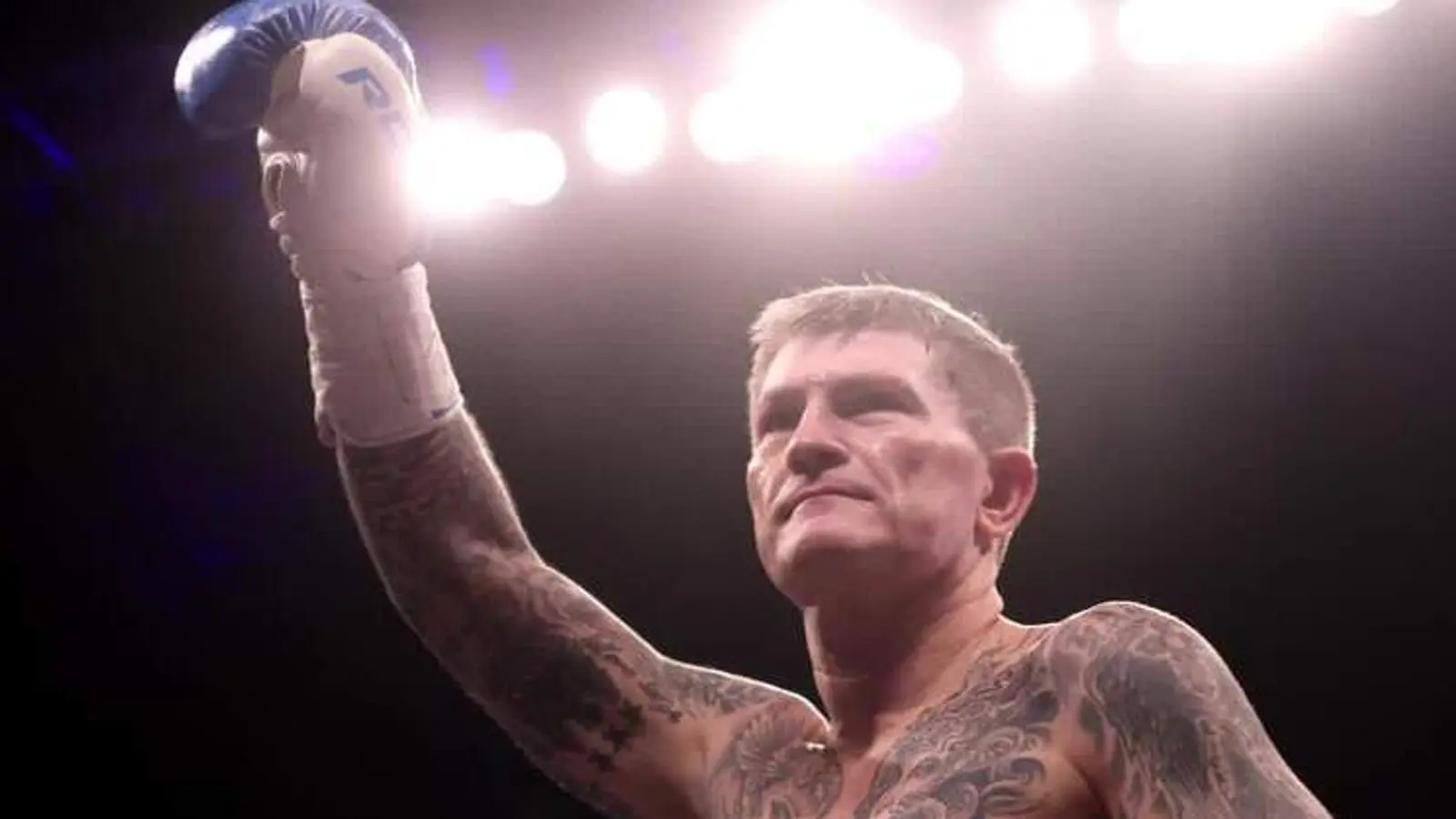
Ricky Hatton, a celebrated British boxer known for his tenacity and skill, reignited conversations regarding mental health and life after sports following his tragic death. The significance of discussing Hatton’s life and demise resonates deeply, particularly in the world of sports where mental health remains a critical issue. This article delves into the circumstances surrounding his passing and the wider implications for athletes.
The Life and Career of Ricky Hatton
Born on October 6, 1978, in Manchester, England, Ricky Hatton became one of the most adored figures in British boxing. He held world championships in two weight classes: light-welterweight and welterweight. His fighting style, characterised by aggression and stamina, gained him a massive following. Notable victories included bouts against the likes of Kostya Tszyu and José Luis Castillo, reinforcing his legacy as one of the sport’s greats. However, following his retirement from boxing in 2012, Hatton battled personal issues, including mental health struggles, which he openly discussed with fans and the media.
The Circumstances of His Passing
As of my last knowledge update in October 2023, Ricky Hatton has not passed away. Rumours regarding his health have circulated due to his candidness about his battles with depression and substance abuse. He has dedicated himself to aiding other athletes facing similar struggles and has participated in mental health campaigns. Hatton’s ongoing life is a powerful testament to resilience and the pursuit of wellness in the face of adversity.
Legacy and Mental Health Awareness
Ricky Hatton’s influence extends beyond the boxing ring. As mental health issues gain more recognition, he has become a symbol of awareness, advocating for those who may be suffering in silence. His life encourages discussions around the importance of mental health care for athletes, who often feel pressured to maintain a strong facade. The potential to impact change is significant, as conversations sparked by his experience can pave the way for greater support systems in sports.
Conclusion
Ricky Hatton continues to be a prominent figure in the boxing world, not only for his achievements inside the ring but also for his courageous stance on mental health. While discussions about his death could be premature, the focus should shift toward celebrating his life and raising awareness about mental health. This reflection on Hatton’s journey underscores the importance of understanding and supporting the wellbeing of athletes, ensuring they are afforded the help they need during and after their careers.
 Ama Serwah
 Yaw Appiah
 Evelyn Mensah
 Kwame Ofori