
Introduction
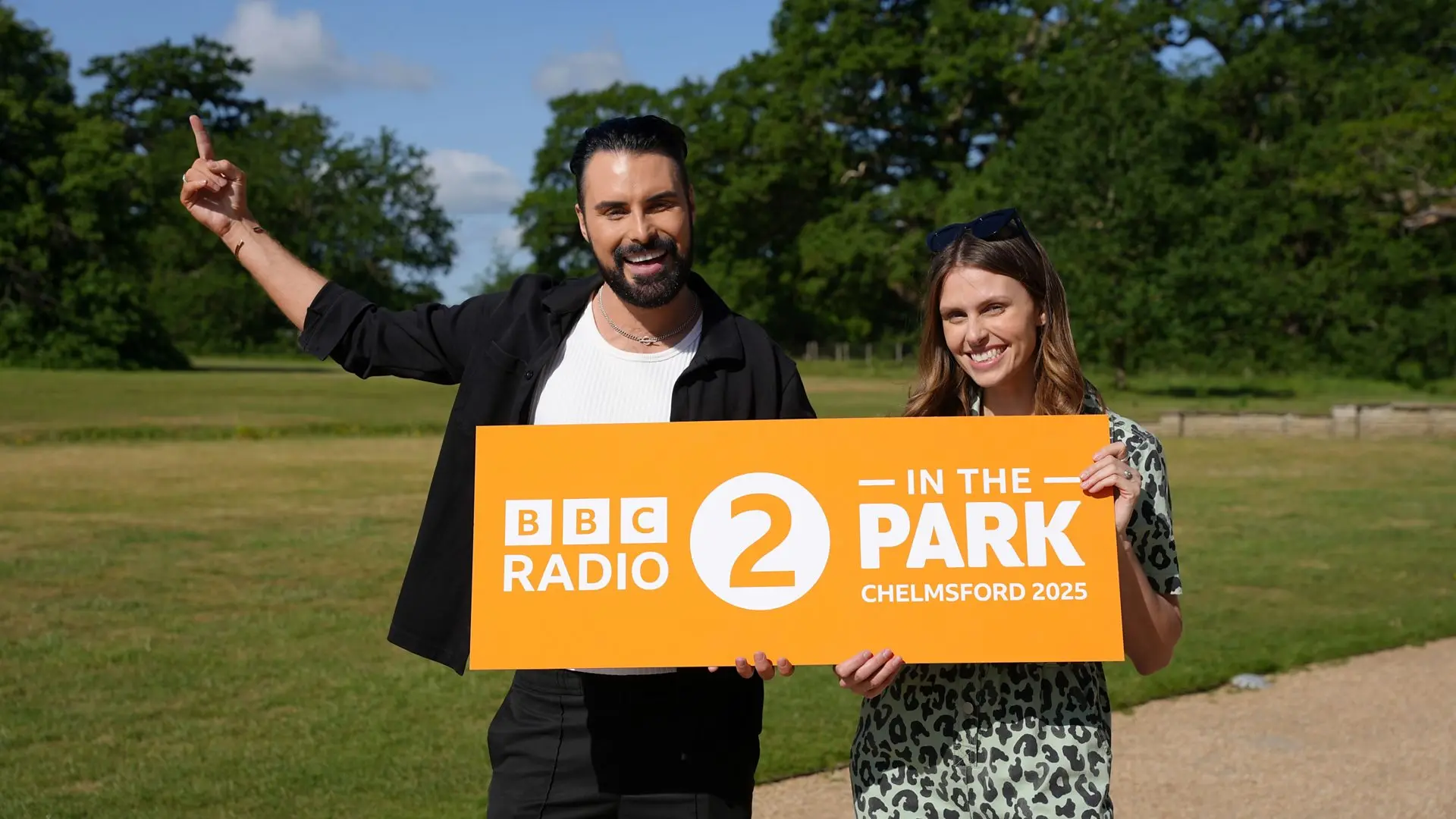
Radio 2 in the Park is a hallmark event in the UK’s cultural calendar, bringing together music enthusiasts and local communities for an unforgettable weekend of live performances. This event not only showcases renowned artists but also fosters a sense of togetherness in the heart of the community. Its significance has only grown over the years, reflecting the changing landscape of music and community engagement.
Event Highlights
This year’s Radio 2 in the Park took place from September 15 to September 17 at the iconic Leicester’s Victoria Park. The event featured an impressive lineup of artists, including chart-toppers like Ed Sheeran, Sam Smith, and the legendary Duran Duran. Across three days, over 50,000 attendees enjoyed live performances, food stalls, and interactive activities, making it an immersive experience for all ages.
The festival also placed a strong emphasis on community involvement. Local schools participated in workshops leading up to the event, with students showcasing their talents on smaller stages throughout the park. This initiative aimed to inspire young musicians and celebrate local culture, enhancing the festival’s community-focused ethos.
Exciting Changes and Future Prospects
This year marked a notable change as the event was adapted to be more environmentally friendly. Organisers introduced measures to reduce waste and promote sustainability, such as encouraging attendees to use public transport and offering a zero-waste food service. Such initiatives align with the increasing public demand for eco-conscious events and reflect broader societal shifts towards sustainability.
Conclusion
In conclusion, Radio 2 in the Park serves as a vibrant celebration of music and community spirit, connecting diverse groups and fostering creativity. With its successful incorporation of new sustainable practices and local participation, the event sets a promising precedent for future festivals. As the popularity of Radio 2 in the Park continues to grow, stakeholders remain optimistic about its potential for expansion, community engagement, and the celebration of the UK’s rich musical heritage.
 Evelyn Mensah
 Yaw Appiah
 Kwame Ofori