
Introduction
Fawlty Towers is regarded as one of the greatest British sitcoms of all time, captivating audiences with its unique blend of humour, wit, and character-driven storytelling. Created by John Cleese and Connie Booth in the 1970s, the show has transcended generations, maintaining its relevance and popularity decades after its original airing. Its significance lies not only in its comedic genius but also in its influential impact on the genre of television comedy.
Background and Overview
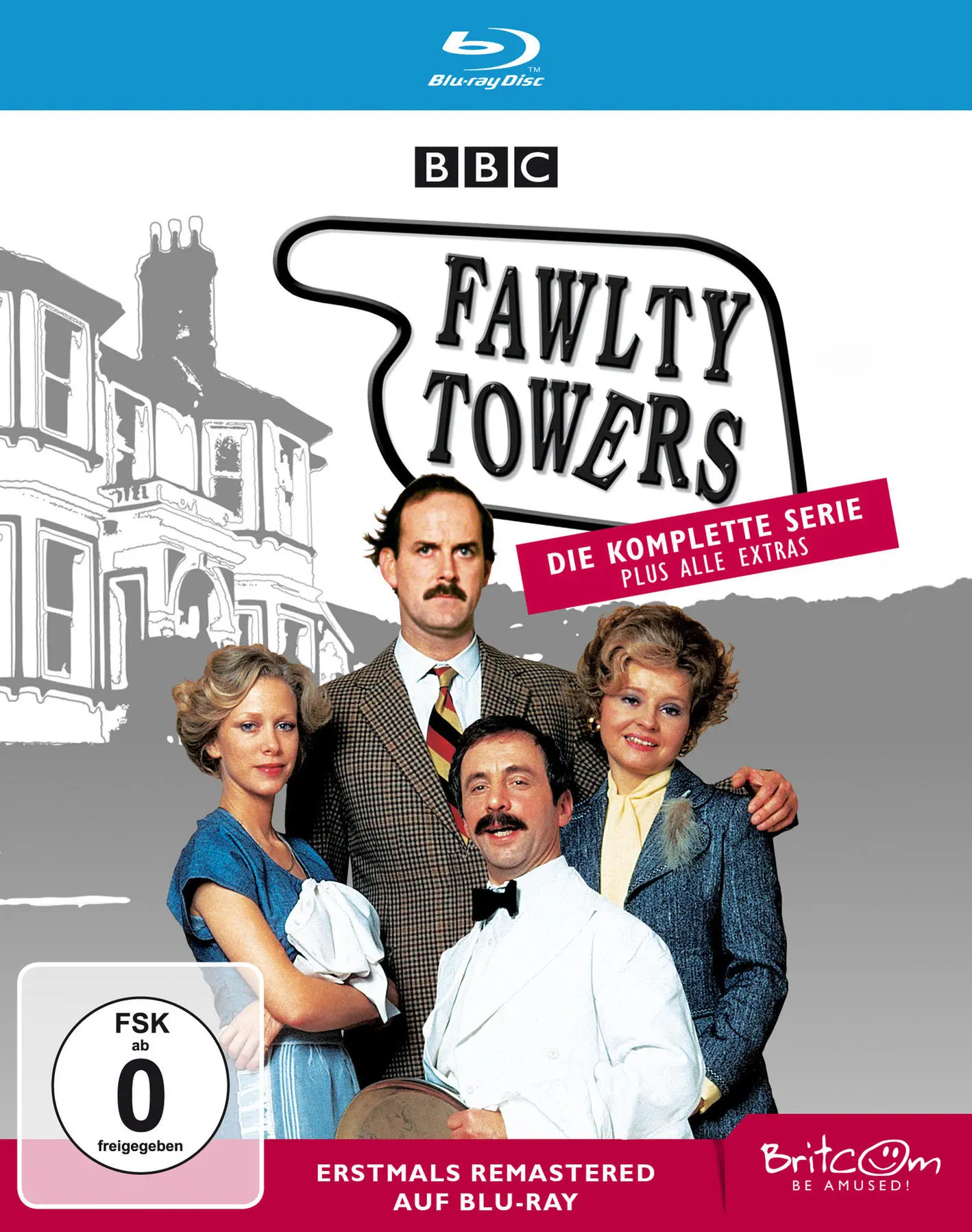
Fawlty Towers aired for two series between 1975 and 1979, featuring 12 episodes in total. The series is set in a dysfunctional seaside hotel in Cornwall, run by the rude and incompetent Basil Fawlty, played by John Cleese, alongside his domineering wife Sybil, portrayed by Prunella Scales. The show also features memorable characters such as the Spanish waiter Manuel, played by Andrew Sachs, and the often-ignored chambermaid Polly, acted by Connie Booth. Despite its short run, the show became immensely popular and was praised for its sharp writing and comic performances.
Recent Developments
In recent years, the legacy of Fawlty Towers has continued to thrive. The series has seen a resurgence in interest, with streaming platforms making it widely accessible to new audiences. Additionally, the show’s impact on modern sitcoms can be observed in more current shows that pull inspiration from its comedic style and character-driven narratives. John Cleese expressed interest in reviving the series in a recent interview, which has sparked enthusiasm and speculation among fans regarding a possible sequel or special episode.
Significance and Cultural Impact
Fawlty Towers is not merely a sitcom; it is a cultural phenomenon that has been quoted, referenced, and parodied across various media forms throughout the decades. The show has received numerous awards, including BAFTAs, and has consistently ranked highly in polls of the best television programmes ever produced. It significantly impacted British humour and remains a point of reference for discussions about comedic timing, character development, and plot structure.
Conclusion
The timeless appeal of Fawlty Towers is a testament to its outstanding writing, remarkable performances, and keen observation of human nature. Its ability to resonate with audiences—old and new—reflects the universal themes of hospitality, social class, and personal folly. As fans eagerly await any potential revival, it is clear that Fawlty Towers will remain an enduring classic in the annals of television history, celebrating the art of comedy for years to come.
 Kwame Ofori
 Ama Serwah
 Evelyn Mensah