
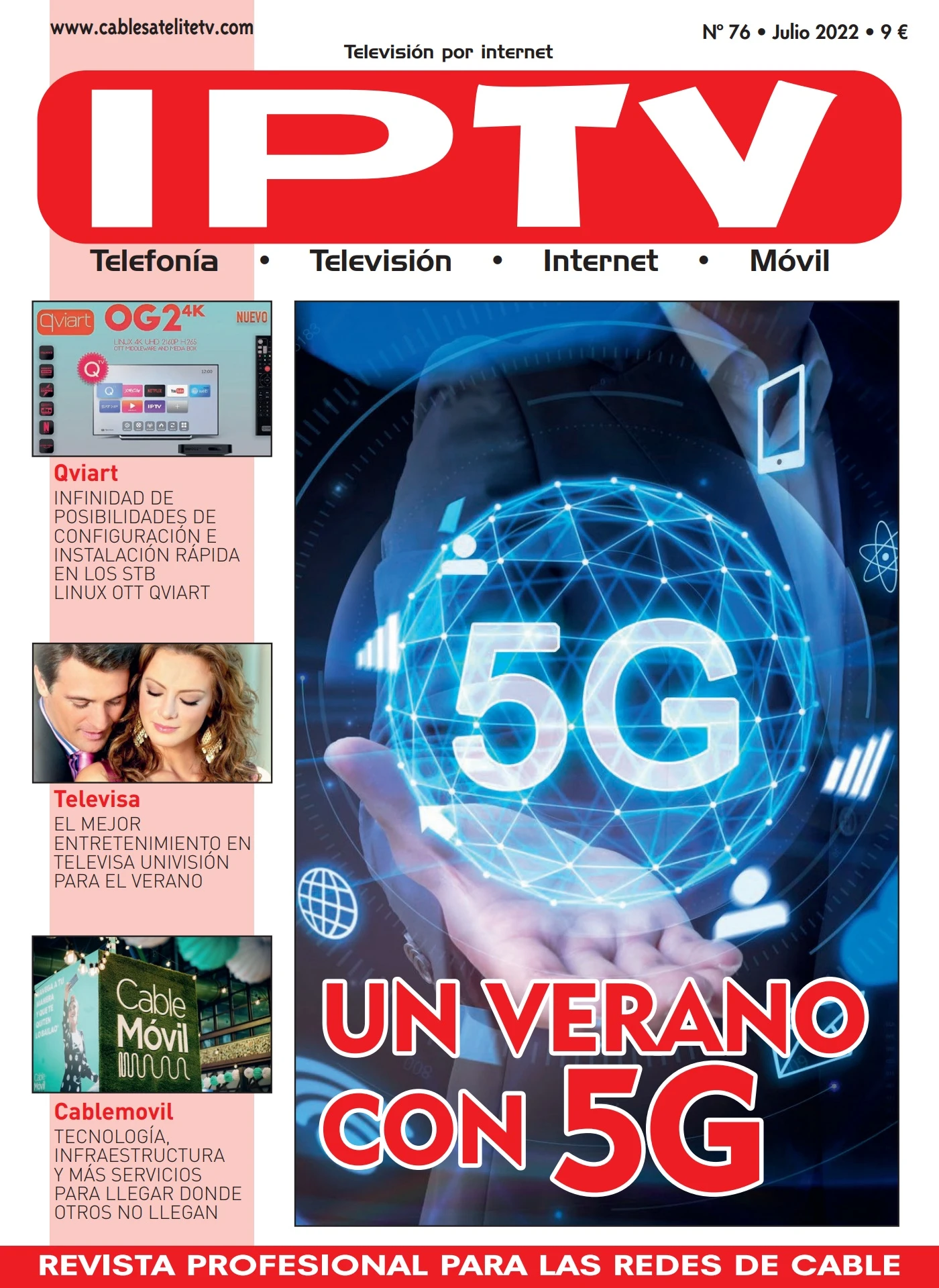
Introduction to IPTV
In recent years, Internet Protocol Television (IPTV) has gained considerable traction among viewers worldwide. As traditional cable and satellite television methods face challenges, IPTV emerges as a flexible alternative, offering users access to an extensive array of channels and on-demand content via the internet. This shift signifies a broader trend towards digital consumption, especially with the advent of high-speed internet and improved streaming technologies.
What is IPTV?
IPTV delivers television programming using internet protocol rather than traditional terrestrial, satellite signal, or cable television formats. It utilizes a broadband connection, enabling seamless streaming of live broadcasts and access to a vast library of video-on-demand services. Major telecom companies, including BT and Verizon, have already incorporated IPTV services into their offerings.
Key Benefits of IPTV
One of the major advantages of IPTV is its flexibility. Users can watch their favourite content on various devices—smart TVs, tablets, smartphones, or computers—without being tethered to a physical cable. Additionally, IPTV services often come with features such as time-shifting, which lets viewers pause and rewind live shows, and media centres that consolidate multiple services into one interface.
Current Events and Trends in IPTV
According to a report by MarketsandMarkets, the global IPTV market is expected to grow from USD 62 billion in 2020 to USD 134 billion by 2025, at a compound annual growth rate (CAGR) of 16%. This substantial growth illustrates the increasing adoption of internet-based television services. Moreover, recent advancements in cloud-based IPTV technologies have further enhanced the user experience, allowing for a more scalable and adaptable service provision.
Moreover, with the pandemic propelling many viewers towards streaming and on-demand services, IPTV has become an attractive option for those seeking diverse entertainment options from the safety of their homes.
Conclusion: The Future of IPTV
The continuous evolution of IPTV indicates that it is set to reshape the future of television broadcasting. As more viewers turn to internet-based platforms, traditional media providers may need to embrace changes to keep pace with consumer demands. The potential for innovation in content delivery and viewing experiences means that IPTV could soon become the standard model for television consumption worldwide. As technologies improve and more companies enter the space, it is essential for consumers to stay informed about their options concerning IPTV services.
 Evelyn Mensah
 Yaw Appiah
 Kwame Ofori