
Introduction
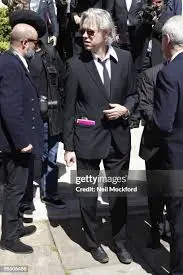
Bob Geldof, an influential Irish musician, songwriter, and political activist, has made a significant mark on both the entertainment industry and humanitarian efforts. Best known as the lead singer of the Boomtown Rats and for his work in organising Live Aid, Geldof remains a pivotal figure in discussions surrounding social justice, poverty alleviation, and global awareness.
Musical Career
Geldof first rose to fame in the late 1970s with the Boomtown Rats, whose hit singles such as “I Don’t Like Monday’s” topped charts and resonated with audiences. His musical style, often characterized by punk and new wave influences, played a substantial role in shaping the music scene during this era. However, music was merely a platform for a much broader calling.
Activism and Live Aid
In the mid-1980s, Geldof transitioned from music to activism when he was moved by a harrowing BBC report on the Ethiopian famine. Spurred into action, he co-founded Band Aid in 1984, which brought together musicians to record the charity single “Do They Know It’s Christmas?” This initiative raised millions for famine relief. The following year, he organised Live Aid, a dual concert held simultaneously in London and Philadelphia, which is regarded as one of the largest charitable events in history. Together, these efforts raised over $125 million for humanitarian relief in Africa.
Recent Activism and Legacy
Geldof has continued his activism through various platforms, including speaking engagements and participation in campaigns for international development. His contributions extend beyond music, as he addresses issues ranging from HIV/AIDS to education and women’s rights. Despite facing criticism and challenges throughout his journey, Geldof’s unwavering commitment to philanthropy has earned him respect worldwide.
Conclusion
Bob Geldof’s journey is a testament to the power of music and individual action in the face of global crises. His ability to mobilise millions for a common cause not only highlights the potential for artists to effect change but also serves as an invitation to the public to engage with pressing social issues. As we look to the future, Geldof’s work serves as a reminder that one individual’s efforts can inspire a collective movement, and the fight against poverty and injustice remains as crucial as ever.
 Evelyn Mensah
 Ama Serwah
 Kwame Ofori