
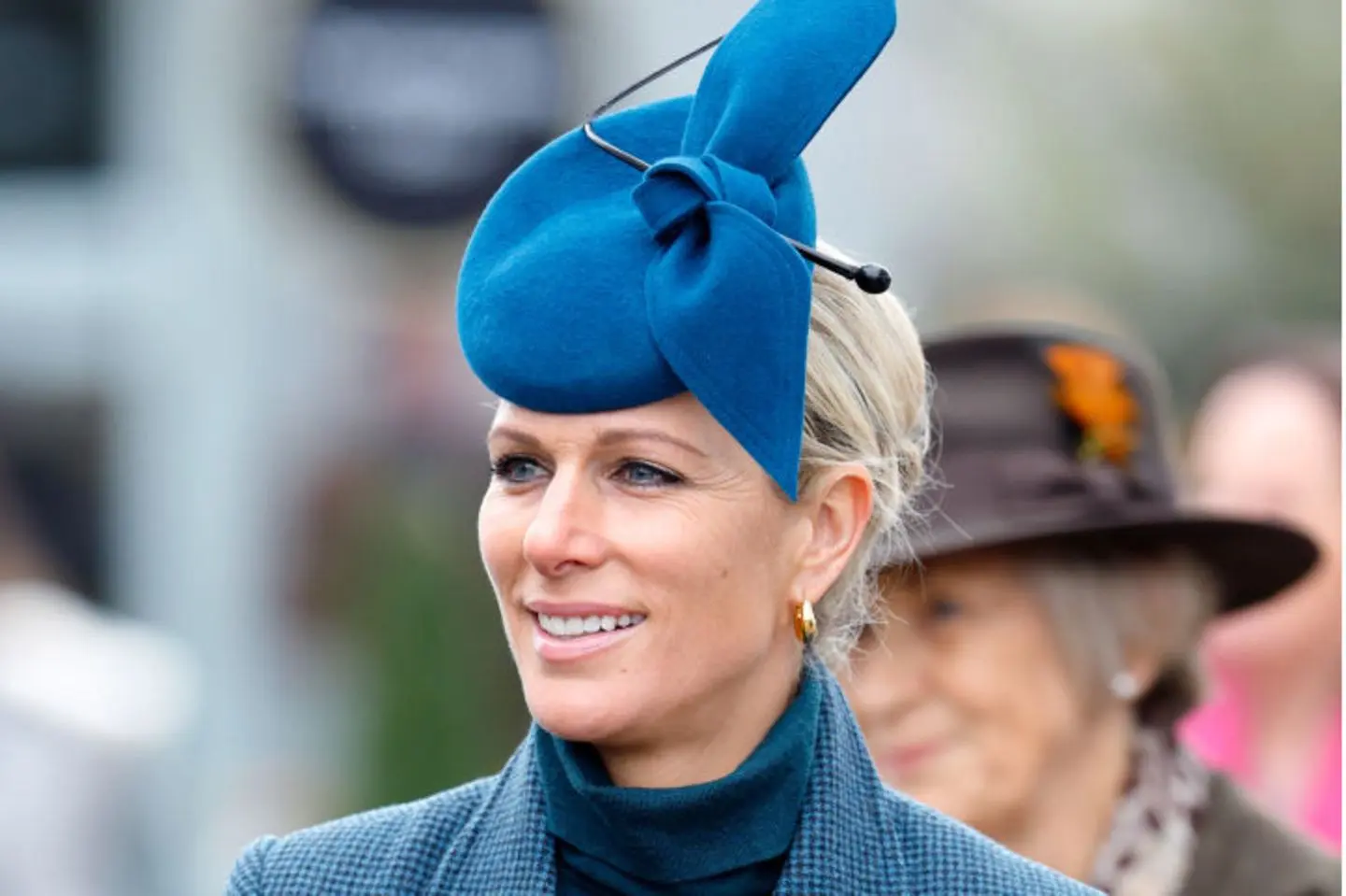
Introduction
Zara Tindall, a prominent member of the British royal family, has carved out a unique place in the public eye, not only as the granddaughter of Queen Elizabeth II but also as an accomplished equestrian. Her journey in both royal duties and equestrian sports highlights the modern role of royals in contemporary society, making her a figure of interest for many.
Early Life and Family Background
Born on May 15, 1981, Zara is the second child and only daughter of Princess Anne and Captain Mark Phillips. She was named after Zara, the name of her father’s family’s ancestral estate in Scotland. Growing up in the royal sphere, she has always had an affinity for horses, which was nurtured by her mother, an avid equestrian herself. This early passion laid the groundwork for her future successes.
Equestrian Career
Zara Tindall has established herself as an influential figure in the world of equestrian sports, particularly in eventing. Her remarkable achievements include winning a silver medal at the 2012 London Olympics as a member of the British equestrian team and a notable victory at the 2006 World Equestrian Games. Her performance has brought her recognition and respect within the competitive equestrian community. Furthermore, she has gained endorsement deals and continues to foster partnerships that benefit her career and the sport.
Royal Duties and Public Engagement
Aside from her equestrian pursuits, Zara also engages in various royal duties, representing the Queen and the royal family at numerous events. She participates in charity work, focusing on areas such as health, sport, and education. Notably, Zara is involved with several organisations that promote welfare in animals and young people’s sports.
Personal Life
In 2011, Zara married former England rugby player Mike Tindall, and together they have three children: Mia Grace, Lena Elizabeth, and Lucas Philip. Their family life is often characterized by a sense of normalcy despite their royal connections, and they strive to provide their children with an upbringing that includes both royal traditions and everyday experiences.
Conclusion
As Zara Tindall continues to thrive in her equestrian career while fulfilling her responsibilities as a royal, she represents a modern royal figure embracing both her heritage and personal passions. Her ability to traverse the realms of sport and royalty offers a refreshing perspective, making her an inspiring figure for future generations. Looking ahead, Zara’s influence in both the equestrian world and her charitable engagements is likely to grow, securing her legacy as both an athlete and a devoted member of the royal family.
 Yaw Appiah
 Kwame Ofori
 Evelyn Mensah