
Introduction
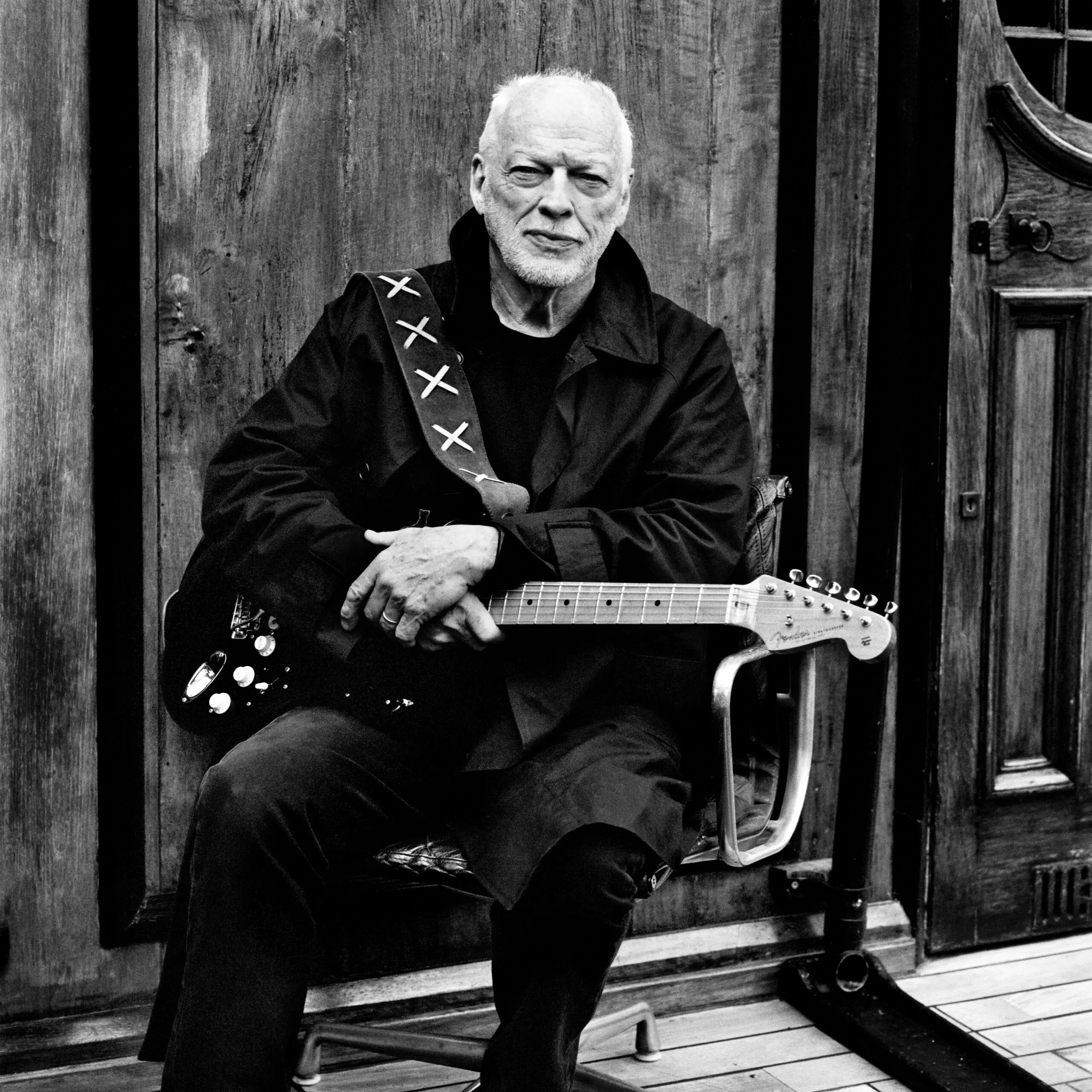
David Gilmour, known for his haunting guitar solos and distinctive voice, has solidified his status as a musical icon over the decades. As the lead guitarist of the legendary band Pink Floyd, Gilmour’s contributions to music have left an indelible mark on rock history. The resonance of his work goes beyond mere entertainment, reflecting profound themes that resonate with fans around the globe, particularly in a time when music serves as a powerful medium for expression and connection.
Musical Career Milestones
Gilmour joined Pink Floyd in 1968, shortly before the release of their seminal album, “The Piper at the Gates of Dawn.” He became the band’s primary guitarist and a key contributor to their writings during their most successful years. With albums like “The Dark Side of the Moon” and “The Wall,” Gilmour’s innovative guitar work and vocal performances helped push the boundaries of rock music. His ability to blend ethereal sounds with compelling narratives set Pink Floyd apart as one of the most influential bands in history.
In addition to his work with Pink Floyd, Gilmour has enjoyed a fruitful solo career. His albums, including “On an Island” and “Rattle That Lock,” showcase his evolution as an artist while preserving the essence of his sound. His music has been praised for its lyrical depth, melding personal themes with broader social commentary—a quality that continues to attract new listeners in an ever-changing musical landscape.
Recent Developments and Significance
Recently, Gilmour has been in the news following the release of his live album, which captures performances from his last tour. The album features many classics alongside new compositions, proving that Gilmour’s writing continues to resonate with both long-time fans and a new generation. Furthermore, his activism on climate change and humanitarian issues highlights his commitment beyond music, making him a beloved figure not only for his artistry but also for his advocacy.
Conclusion
David Gilmour’s influence on music is undeniable, with his pioneering contributions to rock and profound emotive ability. As he continues to create and perform, Gilmour remains a crucial voice in music, serving as a bridge between the classic rock era and contemporary musical explorations. For readers, his journey inspires both appreciation for musical artistry and an understanding of how music can reflect and shape societal change. As music evolves, Gilmour’s legacy serves as a reminder to cherish the unique power of creativity and expression.
 Ama Serwah
 Kwame Ofori
 Evelyn Mensah