
Introduction
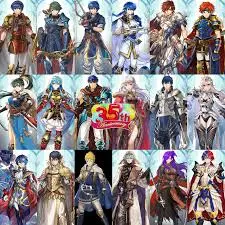
The Fire Emblem series, developed by Nintendo, has been a cornerstone in the strategy role-playing game (SRPG) genre since its inception in 1990. Not only has it provided engaging narratives and complex characters, but it has also become a cultural phenomenon influencing gaming and storytelling. As the series gathers momentum with recent titles, the significance of Fire Emblem in gaming history is evident.
History and Development
Fire Emblem debuted in Japan with its first title, Fire Emblem: Shadow Dragon and the Blade of Light, on the Famicom. Initially met with moderate success, the series gained traction through its unique gameplay mechanics, such as the permadeath feature, which adds stakes to tactical decisions. The franchise expanded globally with the release of Fire Emblem: Awakening in 2012, which revitalised the series and introduced a new generation of fans to its rich lore and character development.
Recent Releases and Cultural Relevance
The latest installment, Fire Emblem Engage, was released in January 2023 and has been well-received for its compelling gameplay and deep storytelling. This title continues to build on the series’ tradition of strong character arcs and intricate tactical combat. Furthermore, the game’s representation of various cultures and societies fosters inclusivity, resonating with a diverse audience. Recently, Fire Emblem has also expanded beyond gaming, inspiring an animated series and manga adaptations, which showcase the franchise’s versatility in storytelling.
Conclusion
The Fire Emblem series has significantly impacted not only SRPGs but also the broader gaming landscape with its innovative gameplay and storytelling techniques. As Fire Emblem continues to capture the hearts of new players while maintaining its core audience, it is likely to remain a major influence on the development of future games. With expectations for continued expansions in media adaptations, the significance of Fire Emblem is poised to grow even further, solidifying its legacy in both gaming culture and storytelling.
 Evelyn Mensah
 Kwame Ofori