
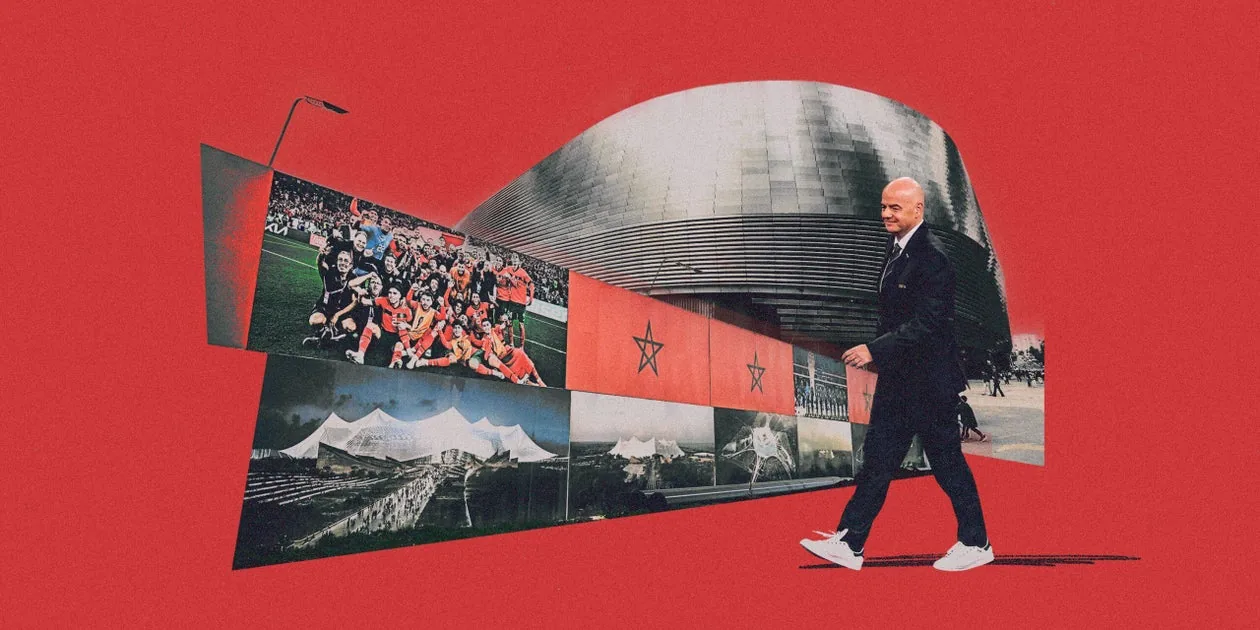
Spain’s bid for the final
The 2030 World Cup, co-hosted by Spain, Portugal, and Morocco, has sparked a competition over which nation will host the final match. The tournament’s initial three matches are slated for Uruguay, Argentina, and Paraguay, commemorating the first World Cup in 1930. The joint bid, which received formal approval from FIFA, allocates 11 stadiums to Spain, six to Morocco, and three to Portugal for the remaining games.
Real Madrid’s Bernabeu stadium has historically been the preferred choice for the Royal Spanish Football Federation (RFEF) to host the final. This iconic venue has a rich history, having hosted finals for the World Cup, European Championship, Champions League, and Copa Libertadores. The stadium recently underwent a significant renovation, costing approximately €1.5 billion, which enhanced its VIP, hospitality, and media facilities, and introduced modern features like a “silver skin” and 360-degree digital screens. Spain’s performance in winning a recent World Cup, including a 1-0 victory over Argentina in the final, further strengthens its claim, as noted by federation sources.
Sources within the Spanish industry suggest that hosting the final at the Bernabeu would appeal to sponsors and industry leaders, given its historical significance and central location in a major European capital. However, the RFEF’s position appears to have weakened due to internal turmoil and changes, particularly following the departure of former president Luis Rubiales. Concerns about potentially losing the 2030 World Cup final to Morocco were raised at the RFEF’s annual assembly on June 30. Spain’s Minister for Education, Professional Training, and Sports, Milagros Tolon, affirmed the government’s commitment to ensuring the final is played in Spain.
Morocco’s counter-bid and FIFA’s influence
Morocco has been actively pursuing the opportunity to host the final, with plans for a new 115,000-seat stadium, Stade Hassan II, near Casablanca. This project, backed by about €1 billion in government funding, is part of a broader strategy to develop infrastructure, including new train and motorway connections, to meet FIFA’s requirements. Soussi Yassir, director general of Morocco’s Agence Nationale des Equipements Publics (ANEP), highlighted the new stadium’s flexibility to adapt to FIFA’s needs, contrasting it with the existing Bernabeu.
The ambition of Fouzi Lekjaa, president of the Royal Moroccan Football Federation (FRMF) since 2014, is central to Morocco’s efforts. Lekjaa, a prominent figure in international football, holds positions such as first vice-president of the Confederation of African Football (CAF) and a member of FIFA’s decision-making council. He has been a strong supporter of FIFA president Gianni Infantino, who inaugurated a new FIFA Africa office in Rabat in July 2025. Sources close to Morocco’s planning believe it would be “fairer” for Casablanca to host the final, aligning with the principle of sharing among FIFA confederations, especially since Africa has only hosted one World Cup final previously.
The decision-making process for World Cup final venues is tightly controlled by FIFA, with final calls often made by Infantino and a small group of senior executives. The competition between cities like New York/New Jersey and Dallas for the 2026 final suggests that a two-horse race for 2030 could benefit FIFA by enabling better negotiation deals. This dynamic underscores the political and economic factors at play in securing such a prestigious event.
Looking ahead to 2030 and beyond
The 2026 World Cup saw several esteemed veterans, including Lionel Messi, Cristiano Ronaldo, and Luka Modric, make their final appearances. As attention shifts to 2030, teams with younger core players are seen as having stronger foundations. Spain, as the defending champions and co-hosts, are considered favorites, with players like Lamine Yamal (22) and Pau Cubarsí (23) expected to play significant roles. France, with Kylian Mbappé (31) and a new coach in Zinedine Zidane, also presents a strong contender. England, despite recent setbacks, has a deep pool of talent, including Jude Bellingham (26) and Bukayo Saka (28).
Morocco, having reached consecutive World Cup quarter-finals and secured the Afcon 2025 title, is also well-positioned, with players like Achraf Hakimi (31) and Ismael Saibari (29) leading the charge. Argentina, even without Messi, boasts strong players like Julián Álvarez (30) and Enzo Fernández (33). Portugal, with Diogo Costa (30) and Nuno Mendes (27), faces questions about its attacking leadership post-Ronaldo. Norway, led by Erling Haaland (29), and Côte d’Ivoire, with Yahia Fofana (29) in goal, are also teams to watch. The 2030 World Cup is set to be a significant event, with the host of the final still a keenly debated topic.

The 2030 World Cup will be primarily hosted by Morocco, Portugal, and Spain, with the opening three matches scheduled in Uruguay, Argentina, and Paraguay.
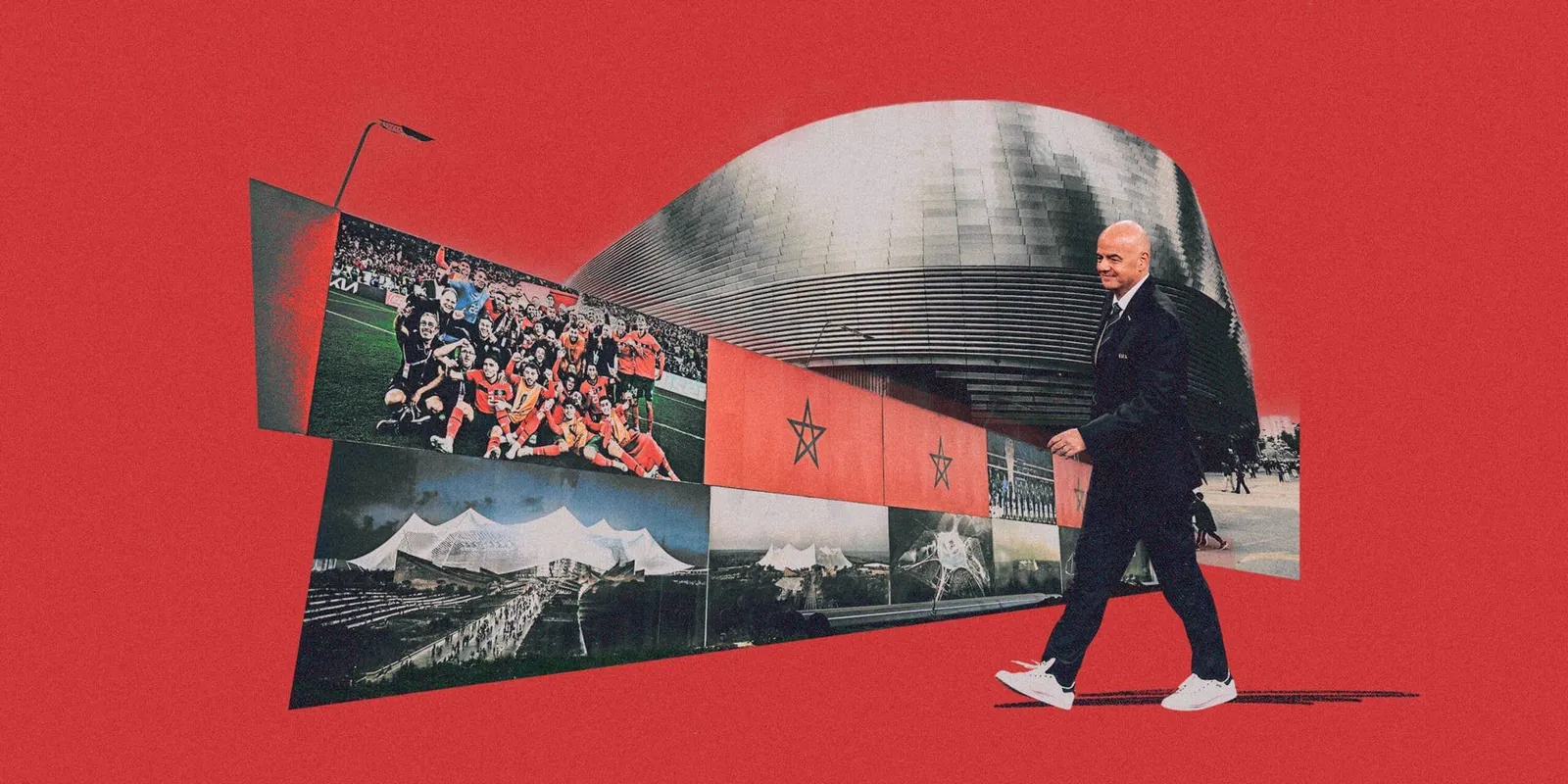
The Bernabeu stadium, having hosted Spain’s first NFL game last November, is a strong candidate for the final.
Djed Spence, who had a strong tournament for England, will be at the time of the next World Cup.
Source: theguardian.com
 Ama Serwah
 Yaw Appiah
 Evelyn Mensah
 Kwame Ofori